Politics
Bipartisan Senators File Bill To Keep Hemp THC Products Federally Legal As Next Month’s Scheduled Ban Looms

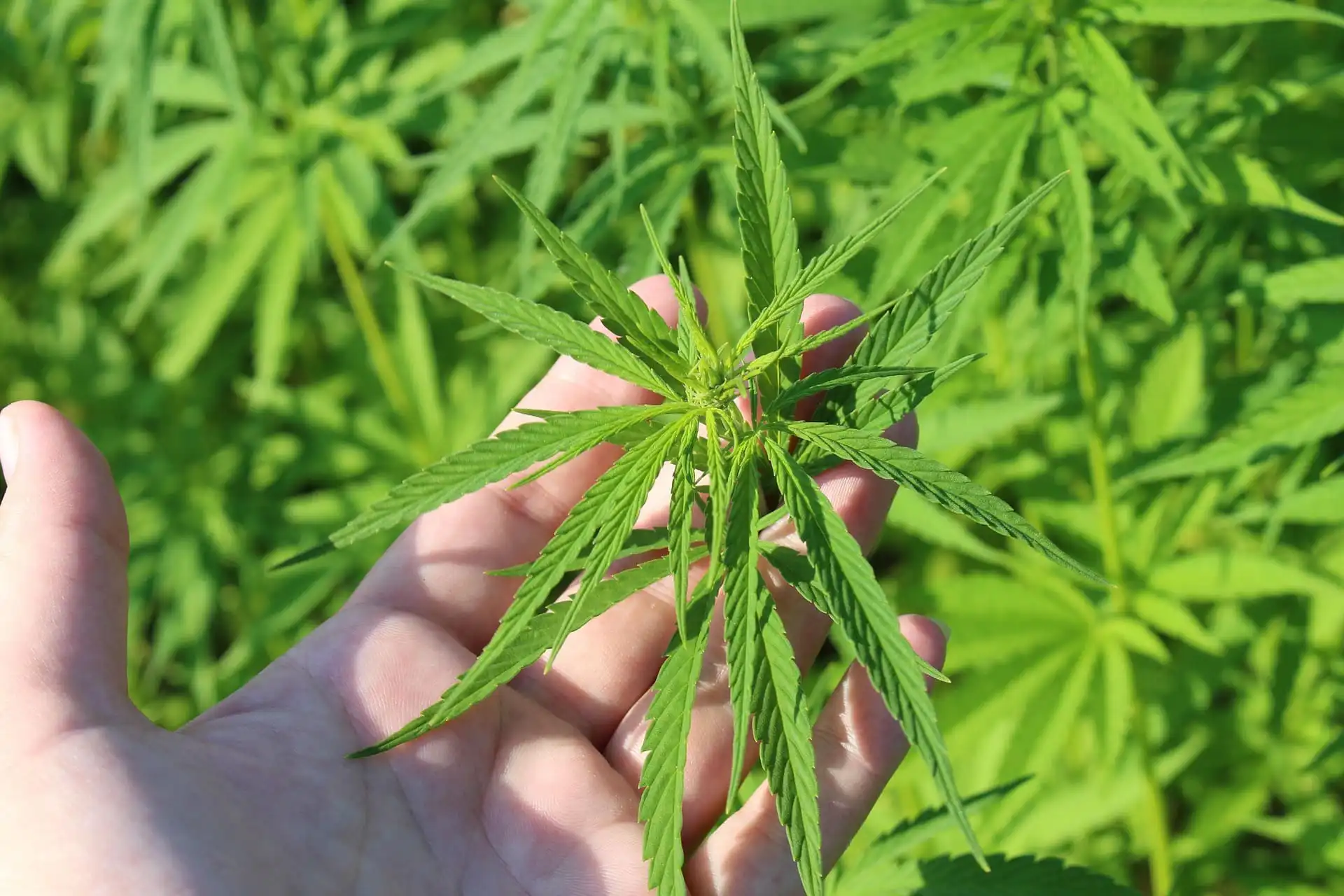
A bipartisan duo of U.S. senators have filed a new bill that would prevent the federal recriminalization of hemp THC products that is currently scheduled to go into effect next month while instituting a set of new regulations as an alternative to prohibition.
Sens. Tim Sheehy (R-MT) and Amy Klobuchar (D-MN) introduced the Hemp Guardrails Act on Tuesday.
The legislation would raise the legal threshold for hemp to one percent total THC on a dry-weight basis—with an exception to go above that for in-process materials—and create a new category of prohibited cannabinoids that include delta-8 THC, delta-10 THC and THC-O-acetate , while also restricting the manufacturing or synthesizing of those compounds outside of the hemp plant.
The legislation would continue allowing conversions for CBD, delta-9 THC and other natural hemp compounds outside of the plant, but only if it results in a naturally occurring end product.
Raw floral hemp material, smokable hemp flower or hemp pre-rolls would be barred from entering interstate commerce.
There would be an age limit of 21 to possess and consume hemp cannabinoid products, and they would need to be grown, processed and packaged within the U.S. to be legal.
The bill also seeks to establish categories for hemp-derived products and supplements under the Federal Food, Drug, and Cosmetic Act and directs the Food and Drug Administration (FDA) to set rules for packaging, labeling, manufacturing, testing, registration and recalls within 180 days.
Certain industrial hemp products not containing cannabinoids—such as seed, seed oil, and hempseed protein—would be considered food additives, subject to applicable safety requirements.
The legislation preserves the authority of states to enact stricter hemp regulations but prohibits them from blocking the interstate transportation of compliant products.
“We’re taking a commonsense approach to this issue,” Sheehy said in a press release. “Our bill will put every bad actor in the hemp space out of business and keep intoxicating products out of the hands of children. It will also stop Congress from turning the farmers, veterans, and cancer patients who rely on these products into criminals overnight.”
Klobuchar, who was recently elected governor of Minnesota and will be leaving the Senate soon, said her state is “is a national leader in hemp” and “has shown that we can protect kids and support responsible hemp businesses.”
“But a looming federal ban on hemp products is threatening farmers, brewers, small businesses, and consumers across Minnesota and the country,” she said. “This new bill with Senator Sheehy would keep safe hemp products on store shelves, protect consumers from dangerous products, and ensure that farmers and small businesses can continue to operate, grow, and create jobs.”
Hemp derivatives with less than 0.3 percent delta-9 THC on a dry-weight basis were federally legalized under the 2018 Farm Bill that President Donald Trump signed during his first term in office. But late last year, the president signed new legislation containing provisions that redefined hemp to make it so only products with 0.4 milligrams of total THC per container would remain legal after November 12.
Under provisions included in a separate funding bill Trump signed this September, however, the effective date of the ban for most products was pushed back to December 11 to give lawmakers more time to craft regulations for hemp derivatives. There was a carve-out, however, to allow the recriminalization on November 12 of synthetic cannabinoids “that are not capable of being naturally produced by a Cannabis sativa L. plant.”
Meanwhile, a top GOP congressman is pushing to attach provisions to keep hemp products legal to larger spending legislation in the coming weeks.
“The best opportunity, in my opinion, is to get this on a bill that is going to pass,” Rep. James Comer (R-KY), who chairs the House Oversight and Government Reform Committee, said. “The only bill that I think that absolutely, positively has to pass is going to be another continuing resolution, which is what got us here to begin with.”
Rep. Morgan Griffith (R-VA) similarly recently floated the idea of including hemp extension and regulation language in a broader budget reconciliation bill.
The Congressional Research Service noted in a recent report that the Food and Drug Administration (FDA) is now more than nine months late in fulfilling a legal mandate to publish a list of known cannabinoids and guidance on hemp product containers that was included in last year’s hemp product recriminalization legislation.
Aside from the new Senate legislation, a number of lawmakers from both chambers and both parties have filed or are circulating a growing number of bills to prevent the scheduled federal recriminalization of hemp THC drinks and other products.
Comer, for example, is circulating legislation that would delay a planned federal ban on hemp THC products and institute some regulations—including packaging requirements, testing rules and age limits.
Reps. Beth Van Duyne (R-TX) and Greg Landsman (D-OH) introduced a bill to keep hemp THC drinks legal while taxing and regulating them like alcohol.
Separately, Rep. Andy Barr (R-KY), filed a lengthier proposal to prevent the federal recriminalization of hemp THC products and put in place a number of regulations for manufacturing, labeling, sales and taxation of hemp-derived products, including an age limit of 21.
Griffith and Rep. Marc Veasey (D-TX) introduced a measure to allow continued sales of hemp THC products to adults over 21, with new regulations,
Several Republican lawmakers recently spoke to Marijuana Moment about the kinds of rules they would like to see enacted to keep hemp THC products legal.
This week, Veterans of Foreign Wars and other military veterans groups sent a letter urging Congress to keep hemp THC products legal.