Business
Entering The Marijuana Market Provides Native American Tribes With Opportunity For $2 Billion A Year In New Revenue, Analysis Shows

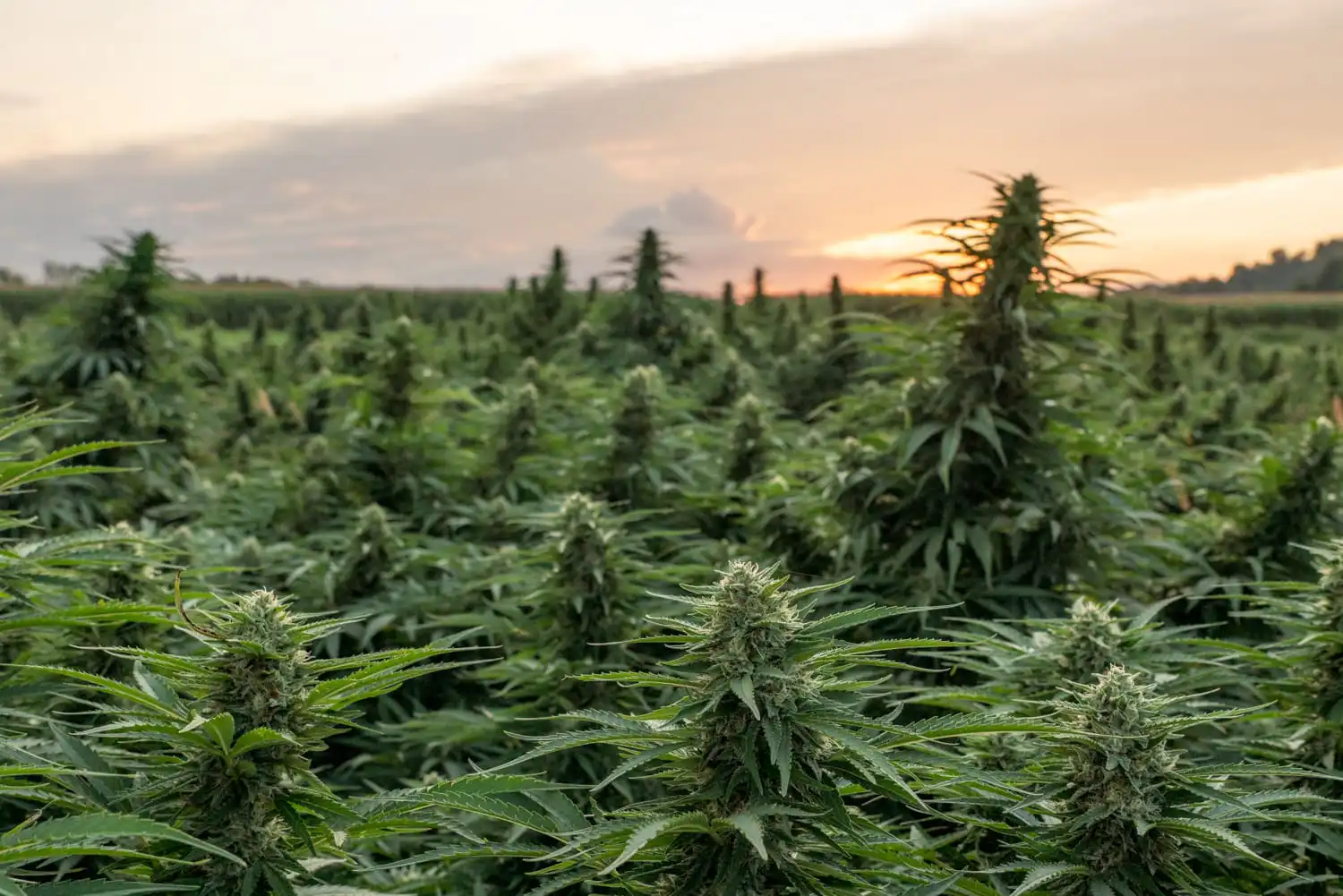
Native American tribes stand to generate more than $2 billion in new revenue every year by participating in the legal marijuana market, according to a new estimate.
HedgeRow Analysis on Wednesday published a projection that Native American tribes that move “deliberately and early” could see $300 million to $600 million in annual revenue from cannabis market potential within five years, building up to an eventual $2 billion per year.
The firm said the opportunity for tribes is driven by their sovereign status and long cultural histories with plant medicine as the number of new state marijuana legalization laws coming online slows and as full federal legalization “remains elusive.”
HedgeRow is estimating that more than $50 billion in annual consumer cannabis demand is currently being met by unregulated products, including those from the criminal market and via hemp-derived THC.
“While most states have legalized adult use or medical cannabis, there are many opportunities across the country for tribal nations to open a safe, legal and regulated marketplace to supplant the current illegal market,” HedgeRow CEO Matt Walter said.
“Where a state prohibits adult-use sales, allows only medical cannabis or has built a system that leaves sizable populations unserved, a sovereign nation offering a tested, regulated, well-managed retail operation isn’t competing at the margins of the state market,” he said. “In those places, it is the market.”
The firm laid out three different cannabis policy environments that tribes might find themselves in, each requiring a different strategy with differing revenue potential.
In states that continue to prohibit marijuana for both recreational and medical use, tribal nations have the potential to become the only providers of legal and tested cannabis products within a wide geographic radius. Tribes in these prohibition states—Idaho, Indiana, Kansas, North Carolina, South Carolina, Tennessee, Wisconsin and Wyoming—stand to see revenues of more than $25 million a year, HedgeRow estimates.
States that have legalized medical cannabis but do not allow broader recreational use “leave most adult consumers without a legal option, and their demand flows almost entirely to illicit and hemp-derived channels,” the firm said. This is particularly true of states that have very restrictive medical programs, such as Texas. Tribes in these states stand to see $8-18 million a year in revenues HedgeRow projects.
In states that already allow people to legally use cannabis for both medical and adult use, there are still economic opportunities for tribes that identify “pockets of unmet demand created by municipal opt-outs, slow licensing, uneven store distribution and seasonal population surges,” the firm said. Native nations in these states could earn $4-12 million in yearly revenue, according to the analysis.
A geographic breakdown that HedgeRow provided to Marijuana Moment suggests that the Southern and Gulf region of the U.S. represents the largest economic opportunity for tribes, comprising about 40 percent of the national total given that nearly 90 million Americans who live there have no legal access to recreational cannabis.

“Cannabis represents the best shot at generational wealth creation and financial strength since gaming,” HedgeRow co-founder Stephen Balogh said. “Similar to gaming, the customer may travel long distances, creating opportunities for related economic development in the local hospitality industry and cultural tourism.”
HedgeRow pointed to the experience of the Eastern Band of Cherokee Indians (EBCI), which launched the first marijuana dispensary within North Carolina in 2024—despite the protests of certain Republican congressional lawmakers.
“EBCI did not set out to bring cannabis to North Carolina; it had already been here for a very long time,” Forrest Parker, CEO of Qualla Enterprises, which manages the tribe’s Great Smoky Cannabis Company, said. “We wanted to bring high-quality, safe, tested, and regulated cannabis to consumers who had been accepting whatever they could get from the illegal market.”
“The results speak for themselves,” he said. “Great Smoky created economic opportunity for thousands of tribal families, redirected tens of millions of dollars from illegal markets back into our communities, and gave consumers a quality product as an improved health care and consumption choice.”
HedgeRow’s projections are based on a model the firm developed called the Cannabis Market Estimation and Location Optimization Tool (CaMELOT) that estimates potential consumer and market demand using drug survey data, demographic and economic profiles, spatial and travel-time analysis, competitive saturation and tourism patterns.
A map created last year by the Indigenous Cannabis Industry Association (ICIA) in collaboration with the law firm Vicente LLP that more than a fourth of Indigenous communities in the continental U.S. are now involved with marijuana or hemp programs.