Culture
Anti-Marijuana Attitudes In Sports Are Easing Up, But Ongoing Stigma Makes Athletic Trainers’ Jobs Harder, NFL-Funded Study Shows

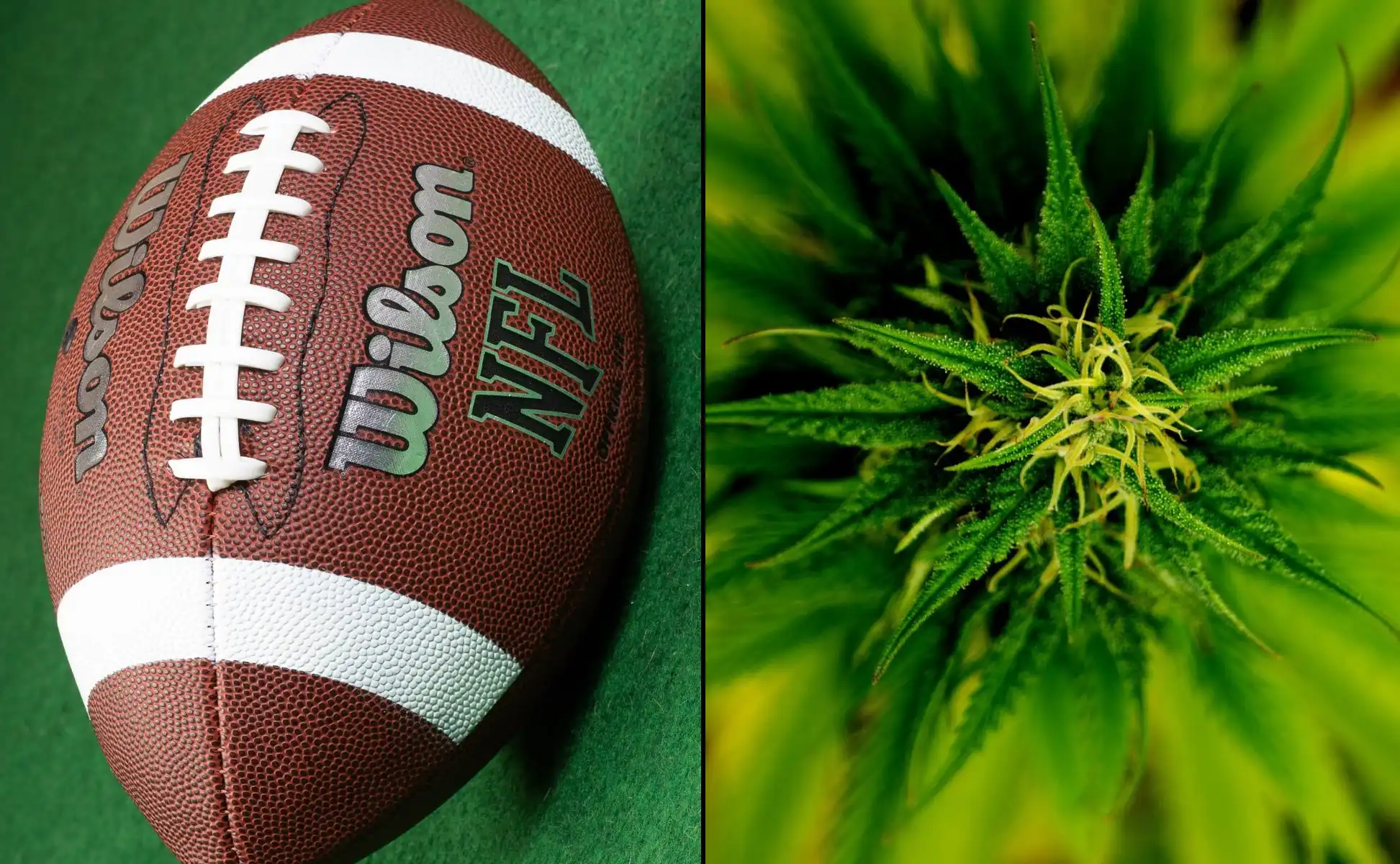
Long-held anti-marijuana attitudes in sports leagues are “evolving” as social trends are “driving more openness to cannabis” as an alternative to opioids for treating athletes’ pain—but ongoing stigma creates trust issues that makes it harder for medical staff to do their jobs, according to a new study funded by the National Football League (NFL).
“Negative perceptions and longstanding stigma continue to shape how cannabis use is viewed among athletes, medical staff, and society, making open discussion difficult,” the study, published this week in the journal Sports Health, said. However, “medical professionals, particularly younger or research-focused staff, are increasingly seeing cannabis as a safer or more effective option than alcohol, opioids, or other prescription drugs.”
The qualitative research, which was partially funded by the joint pain management committee overseen by the NFL and the NFL Players Association, involved interviews with 10 medical staff from professional and collegiate leagues. That includes the NFL as well as the National Basketball Association (NBA), Major League Baseball (MLB), National Hockey League (NHL), National Collegiate Athletic Association (NCAA) and others.
Interviewees largely said they feel “unqualified” to assist athletes on cannabis issues due to “limited education and experience,” the researchers at the University of Saskatchewan and University of Regina in Canada wrote. “Targeted cannabinoid education, destigmatization, and clearer league policies are essential to optimize athlete care and harm reduction as cannabis use grows in elite sport.”
Athletic medical professionals also reported “ongoing confusion and anxiety about legal status, league policies, and compliance requirements related to cannabinoids” which “discourage open communication and appropriate athlete support.” Due to uncertainty about the rapidly changing legal and policy landscape on the issue, “many staff avoid advising on cannabis altogether,” the study said.
Meanwhile, the researchers noted that “alcohol remains widely accepted and normalized in sports culture, in contrast with the strict controls on cannabis.”
“Many recognize that, despite health risks, alcohol is encouraged while cannabis remains taboo.”
Decades of anti-drug campaigns and institutional messages has left many athletes and staff in fear being “judged, punished, or jeopardizing their positions in sport” over marijuana—and drug testing for cannabis “adds to the stigma,” the study said.
While cannabis remains “largely taboo” in sports, social trends and the growing legalization movement has played a role in reducing the stigma—”with younger and research-oriented medical staff adopting more open, health-centered perspectives,” the researchers noted.
“Shifts in cannabis laws have fostered openness and curiosity. Legalization encourages staff and athletes to discuss cannabis use more freely and increases inquiries, as staff feel more able to address the topic,” they said. “Direct exposure to cannabis, seeing its effects on patients, and changes in legal status are leading to gradually more positive perceptions.”
More athletes are gravitating toward cannabis for both recreational and medical use in recent years, the study noted.
“Athletes prefer cannabis for perceived benefits over alcohol, such as fewer negative side effects and less disruption to training,” it said. “Medical staff report athletes seek cannabis to manage pain, inflammation, anxiety, and sleep problems.”
“Athletes are increasingly initiating discussions with staff about cannabis, focusing on its therapeutic effects and compliance with league rules.”
Athletic physicians, trainers, nutritionists and mental health professionals are also opening up to the benefits of marijuana as an alternative medical treatment.
“Medical staff increasingly perceive cannabis as safer than opioids or certain prescription drugs, especially in sports,” the researchers said. “Long-term medication risks, including opioid addiction, have made staff more open to alternatives.”
The researchers highlighted a number of specific comments made during their interviews with athletic medical staff:
- “Every team is sponsored by alcohol, yet as soon as you mention cannabis it’s a big no, no.”
- “I would think it [cannabis] is safer, I would 100% think it’s safer [than opioids]. Again, not because I have enough knowledge of cannabis, but I have enough knowledge of the dangers of opioids.”
- “The education that I’ve received on it [cannabis] has been pretty much nothing, so anything helping to educate myself and the performance department on it would be beneficial.”
- “I have my master’s degree, and we didn’t touch it [cannabis education]. Never talked about it.”
- “I think if there is a course that is provided, I would definitely love to sign up for that, just to get more knowledge.”
- “They are so petrified to even mention it [cannabis] to their doctor because they’re worried about the ramifications.”
- “I think the guys have a tough time talking to me about it [cannabis], because they’re not really sure what or how I’m gonna react.”
- “There’s been some pretty positive benefits [from using cannabinoids], and…it’s been something that has helped them”
- “It [cannabis] is, I would say, not openly discussed, still pretty taboo.”
- “There’s some hesitation or fear because I’m contracted through the organization that they don’t know where that information is going.”
In conclusion, the researchers said the findings of the study “identify a considerable lack of knowledge about cannabis use by medical personnel working with athletes in elite level sports and underscore the pressing need for targeted education and policy alignment.”
The paper noted that major sports leagues have changed their policies in recent years to remove strict punishments for cannabis use.
Most recently, for example, the Women’s National Basketball Association (WNBA) this year removed marijuana from its prohibited substances list while also laying out rules for how players can invest in and promote cannabis companies.
A previous NFL-funded study by the same research team focused on athletes’ views on cannabis in sports, finding that many feel they aren’t getting adequate information about cannabis from their teams’ and leagues’ health officials due to ongoing stigma around the issue.
“Elite contact sport athletes use cannabis intentionally for recreational, therapeutic, and recovery purposes but face systemic barriers related to misinformation, stigma, and inconsistent policy guidance,” that study said. “As cannabis legality expands, this potential knowledge gap impairs athletes’ ability to make informed decisions about cannabis for health and performance. Lack of knowledge increases exposure to unregulated products, and may cause athletes to overlook potential therapeutic benefits.”
The researchers behind the new study also previously published a study in 2024 that highlighted the growing acceptability of medical cannabis in sports, while also underscoring the obstacles to marijuana research caused by ongoing federal prohibition.
NFL and the league’s players union in recent years have put a focus on funding research related to cannabis and athletes.
In 2022, for example, they authorized $1 million in grants for a pair of studies looking into the efficacy of marijuana and its components in managing football players’ pain and providing neuroprotection from concussions.
The league and the players union also awarded funding to support research on the therapeutic benefits of CBD as a pain treatment alternative to opioids for players with concussions.
The NFL reached an agreement with its players union in 2024 to further reform its marijuana policies, significantly reducing fines for positive tests while increasing the allowable THC threshold for players. About four years after NFL ended the practice of suspending players over cannabis or other drugs as part of a collective bargaining agreement, the league again revised its Substances of Abuse Policy and Performance Enhancing Substances Policy.
NBA, for its part, removed marijuana from the banned substances list for players in 2023, and it also freed them up to invest in and promote cannabis companies.
The National Collegiate Athletic Association (NCAA) in 2024 voted to remove marijuana from its banned substances list for Division I players.
The reform builds on a 2022 change that increased the allowable THC threshold for college athletes, aligning NCAA’s rules with those of the World Anti-Doping Agency (WADA).
The head of the U.S. Anti-Doping Agency (USADA) blasted the “unfair” ban on marijuana for athletes competing in international sport events, including the Olympics that were underway in Paris at the time of the comments.
USADA CEO Travis Tygart said it was “disappointing” that WADA has maintained the cannabis prohibition based on what he considers a misguided justification.
WADA did carry out a review into its marijuana policy at the request of USADA and the White House Office of National Drug Control Policy (ONDCP) following the controversial suspension of U.S. runner Sha’Carri Richardson, who was barred from participating in the Olympics in 2021 after she tested positive for THC. Richardson said she used cannabis to cope with the recent passing of her mother.
While UFC announced in late 2023 that it was formally removing marijuana from its modified banned substances list for athletes, the league notified participants that the reform didn’t apply under California State Athletic Commission (CSAC) rules. UFC advised fighters that they could be subject to a $100 fine by CSAS if they tested over 150 nanograms of THC per milliliter ahead of the UFC 298 event that took place in February.
Image element courtesy of Marco Verch.