Politics
Bipartisan New Hampshire Lawmakers File Marijuana Legalization And Psychedelics Bill Requests For 2027

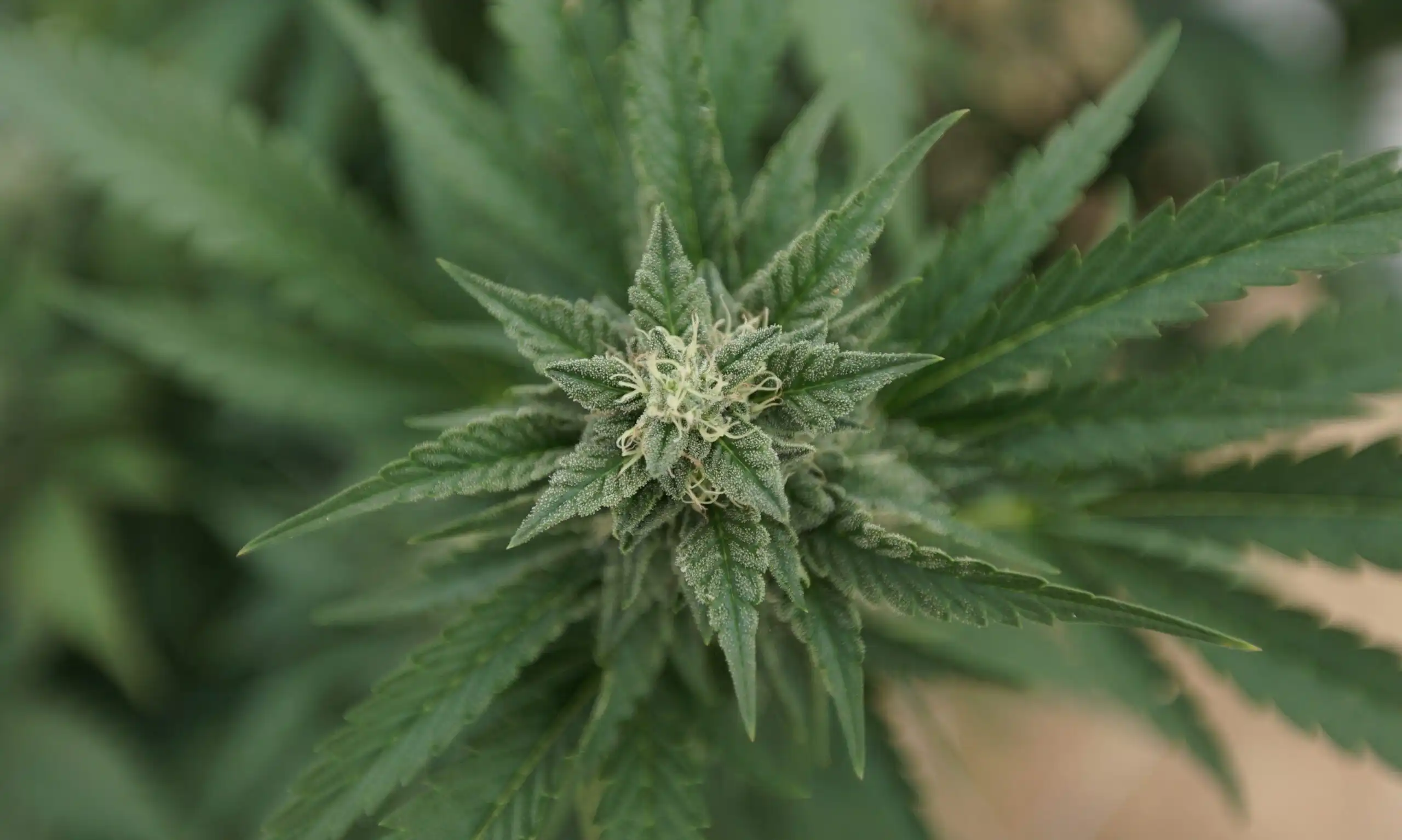
New Hampshire lawmakers are taking steps toward legalizing recreational marijuana, expanding the state’s existing medical cannabis program and enacting new psychedelics-focused reforms in the 2027 legislative session.
Although prohibitionist Gov. Kelly Ayotte (R) retained her office in this month’s midterm elections, advocates believe the Granite State is positioned to legalize cannabis next year under new Democratic majorities in the Senate and House of Representatives.
To that end, bipartisan members of both chambers filed a number of legislative service requests to ask staff to begin drafting drug policy reform bills for the new session ahead of last week’s deadline.
Here is an overview of the proposals:
- Rep. Jared Sullivan (D): relative to the legalization and regulation of cannabis and making appropriations therefor
- Rep. Alissandra Murray (D): legalizing cannabis for persons 21 years of age or older
- Rep.-elect Packy Campbell (R): relative to the legalization and regulated sale of cannabis, education funding, and reductions to the statewide education property tax
- Rep.-elect Kristopher Levesque (D): relative to the legalization and regulation of cannabis through a state-supervised franchise model and making appropriations therefor
- Rep. Wendy Thomas (D): permitting qualifying patients and designated caregivers to cultivate cannabis for therapeutic use
- Rep. Anita Burroughs (D): relative to patient possession and acquisition limits under the therapeutic cannabis program
- Rep. Wendy Thomas (D): relative to the therapeutic use of cannabis by qualifying patients in hospitals, nursing homes, and long-term care facilities
- Rep. Wendy Thomas (D): relative to administration of the therapeutic cannabis program
- Sen. Regina Birdsell (R) and Rep. Manoj Chourasia (D): relative to qualifying medical conditions for the therapeutic cannabis program
- Sen.-elect Kurt Webber (D): relative to the use of cannabis by minors
- Rep. Daniel Veilleux (D): relative to the penalty for the underage consumption of cannabis and to the response by schools and law enforcement to underage cannabis consumption
- Sen. Bill Gannon (R): relative to hemp-derived products containing THC.
- Sen. Bill Gannon (R): relative to THC advertising and labeling.
- Rep. Michael Moffett (R): establishing a program in the department of health and human services for the medical use of psilocybin
- Rep. Tom Mannion (R): amending the penalties for the possession and use of psilocybin for persons 18 years of age or older
- Reps. Buzz Scherr (D) and Michael Moffett (R): establishing an advisory board to assess the viability of a therapeutic psilocybin program
- Rep. Michael Moffett (R): relative to state participation in ibogaine clinical research trials
While legislative text for the proposals is not yet available, the request summaries show that at least some New Hampshire lawmakers intend to advance far-reaching marijuana and psychedelics-focused reforms in 2027 over the likely objection of the Gov. Kelly Ayotte (R).
While Democrats will control both chambers of the legislature in 2027 and 2028 following this month’s elections and also won a supermajority of two-thirds in the House, they did not reach that margin in the Senate and would need GOP support to override any gubernatorial vetoes.
“There appears to be a great deal of enthusiasm for cannabis policy reform in the House,” Matt Simon, director of public and government relations at the medical marijuana provider GraniteLeaf Cannabis, told Marijuana Moment “It will be interesting to see what happens when some of these bills reach the Senate, where they will need bipartisan support to become law.”
(Disclosure: Simon supports Marijuana Moment’s work via a monthly pledge on Patreon.)
Campbell, one of the lawmakers who put in a request for staff to draft a legalization bill, told The Concord Monitor that he doesn’t actually support the reform but wants to help shape it if it does move forward. His proposal, he said, would only enact legalization in the state if marijuana is also legalized federally, and it would put cannabis sales in state-run stores.
“It is really my ask of the Democratic-controlled caucus that they consider doing this responsibly,” he told the newspaper. “I think that by filing legislation to put these ideas clearly forward, it will hopefully help the process and the final outcome.”
Levesque, for his part, said cannabis legalization is “overdue,” arguing that it could generate “creative revenue streams” to help fund education in a way that’s “not going to put more pressure on the residents of New Hampshire.”
During the course of her reelection campaign this year, Ayotte consistently discussed her opposition to marijuana legalization—in contrast to her Democratic challenger, Cinde Warmington, who supports it.
“If you look at the research that has been done, the clinical data, unfortunately, the marijuana, the recreation marijuana, the commercial marijuana, the big marijuana—if you think about your parents or the marijuana when you were young, it’s so much higher in strength, and it’s causing addiction, especially in our young people and our young adults,” the governor said at a debate late last month.
“I’m concerned about the mental health of our young people in this state,” she said. “In fact, the scientific research that has been done on this is showing that is increasing mental illness, including schizophrenia and psychosis.”
“So when we think about our quality of life here in New Hampshire, I do not think it’s the right direction,” the governor argued. “Go to a state where they’ve legalized marijuana. You walk down the street, and that’s all you smell is marijuana. It’s not good for our quality of life. It’s not good for our children or their mental health.”
Ayotte separately said at a recent forum that the issue of cannabis represented a “big difference'” between her and Warmington.
“I don’t think that legalizing cannabis improves our quality of life,” she said. “I know often the argument is made, ‘well, there’s all of our neighbors are that way. Why shouldn’t we take this revenue?,'” she said. “I never say, ‘Oh, our neighbors are doing it, so we should do it.’ I think about my own children. I tell them, ‘Your friends are doing it, you’re doing it.'”
“That’s not really a good standard,” Ayotte said. “We need to make sure we’re looking at our own quality of life and what is the right thing to do for New Hampshire. And when you legalize something, it does send a different message to our young people. So I worry about that and our quality of life. So this is just something we differ on, and I do not think that that revenue is one that comes without a deep cost for New Hampshire.”
The governor also discussed her opposition to legalizing marijuana at an earlier debate with Warmington last month, arguing that cannabis revenue “comes at a huge cost.”
“It comes at the cost of the mental health of our young people. It comes at the cost of our quality of life,” she said. “I don’t think following because our neighbors do something, we should do it. We have the same discussion with our kids, right? If if Johnny jumps off the bridge, are you going to jump off the bridge with it?”
Ayotte in June vetoed legislation to allow businesses in the state’s existing medical cannabis program to cultivate in greenhouses, a reform that advocates say will lead to greater efficiency in the industry and lower prices for patients.
—
Marijuana Moment is tracking hundreds of cannabis, psychedelics and drug policy bills in state legislatures and Congress this year. Patreon supporters pledging at least $25/month get access to our interactive maps, charts and hearing calendar so they don’t miss any developments.
Learn more about our marijuana bill tracker and become a supporter on Patreon to get access.
—
Her veto was overridden by lawmakers, however, the medical marijuana cultivation measure became law despite her objections.
In a veto statement on the medical marijuana greenhouse bill, the governor simply said, “I do not support expanding the cultivation of marijuana in our state.”
The governor said last year that her opposition to marijuana legalization would not change even as the federal government moved forward with rescheduling the plant.
Former Gov. Chris Sununu (R), after years of adamantly opposing marijuana legalization ultimately proposed legislation to replace prohibition with state-controlled dispensaries, though it did not pass. It remains to be seen if supporters can convince Ayotte to come around to backing a compromise on the issue given her vehement opposition to date.
Photo courtesy of Chris Wallis // Side Pocket Images.