Politics
Wisconsin Democrats And Republicans Talk Bipartisan Cooperation On Marijuana Legalization

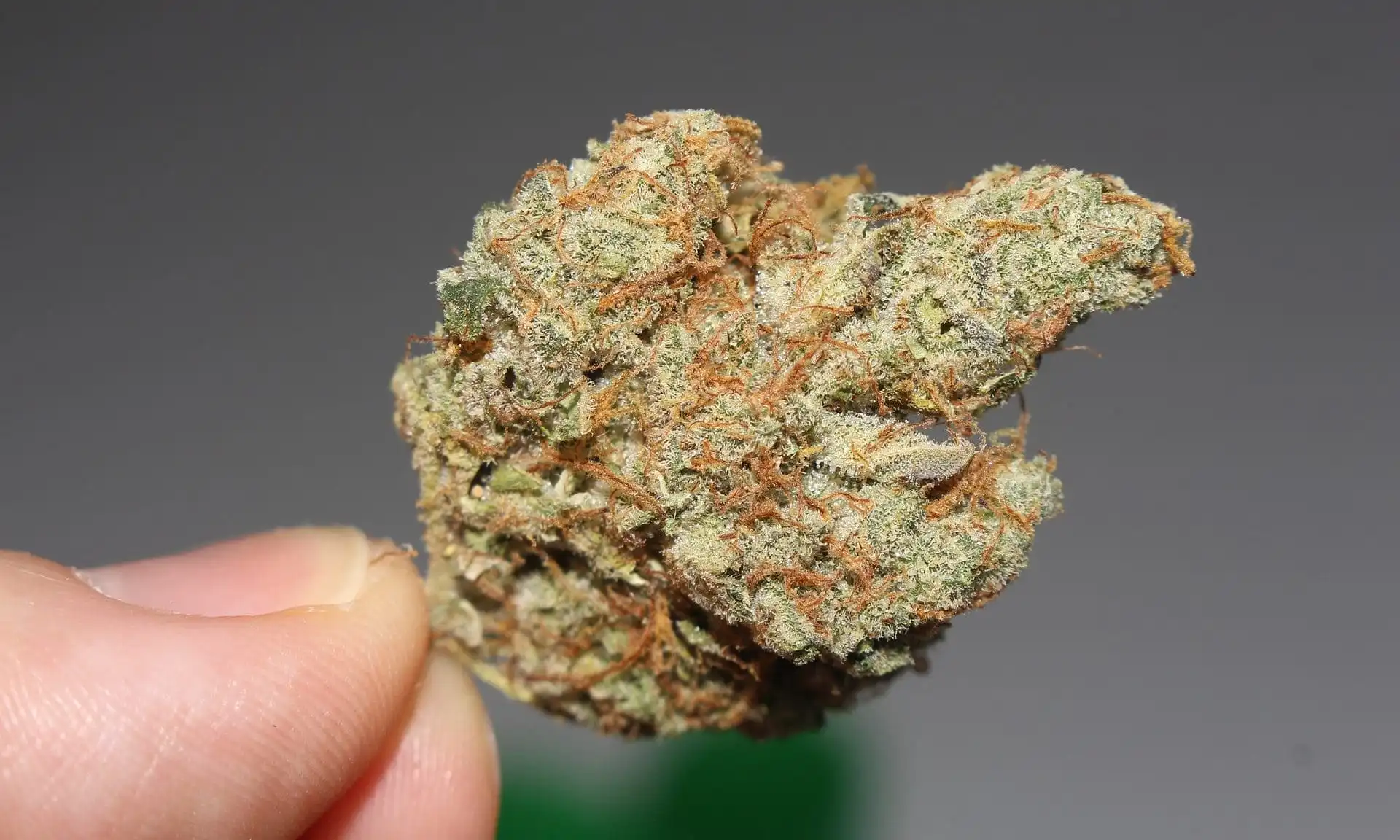
While efforts to legalize marijuana for medical or recreational use in Wisconsin have stalled for years under longtime Republican control of the legislature, leaders of the incoming Democratic majorities in the Senate and Assembly following this month’s elections say reforming cannabis laws will be one of their top priorities—and GOP lawmakers are expressing openness to working across the aisle with them to get it done.
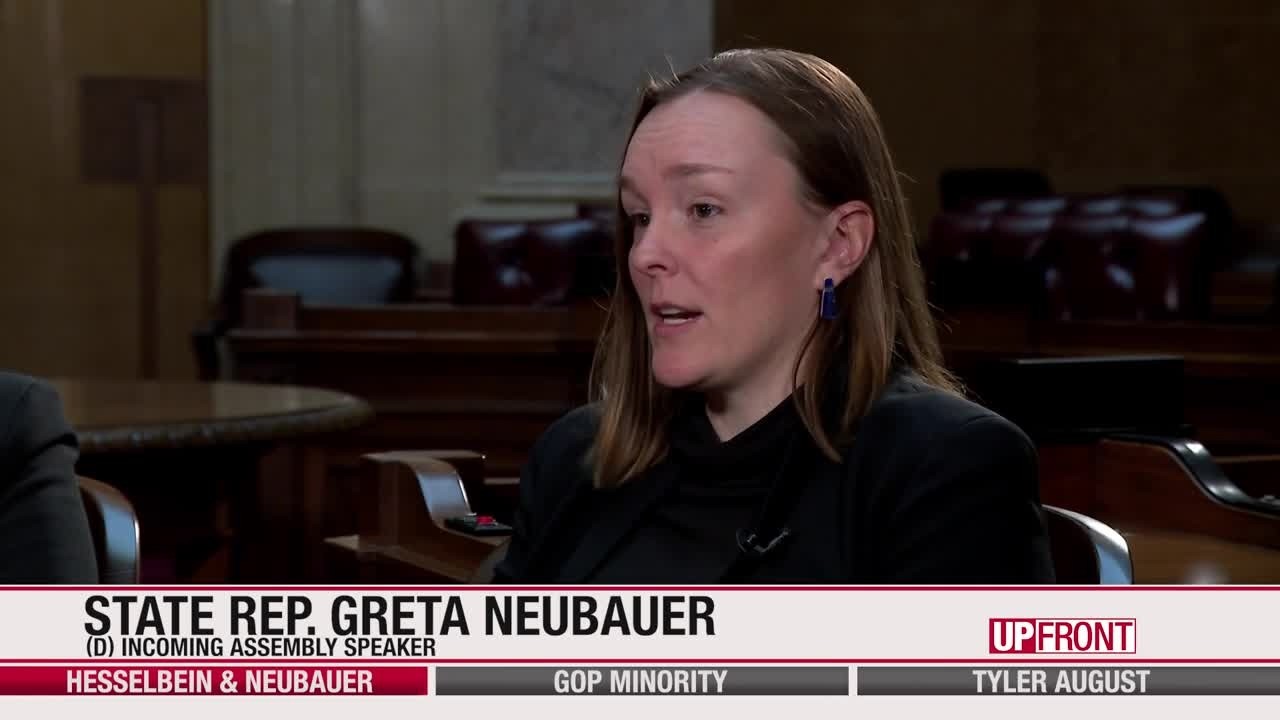
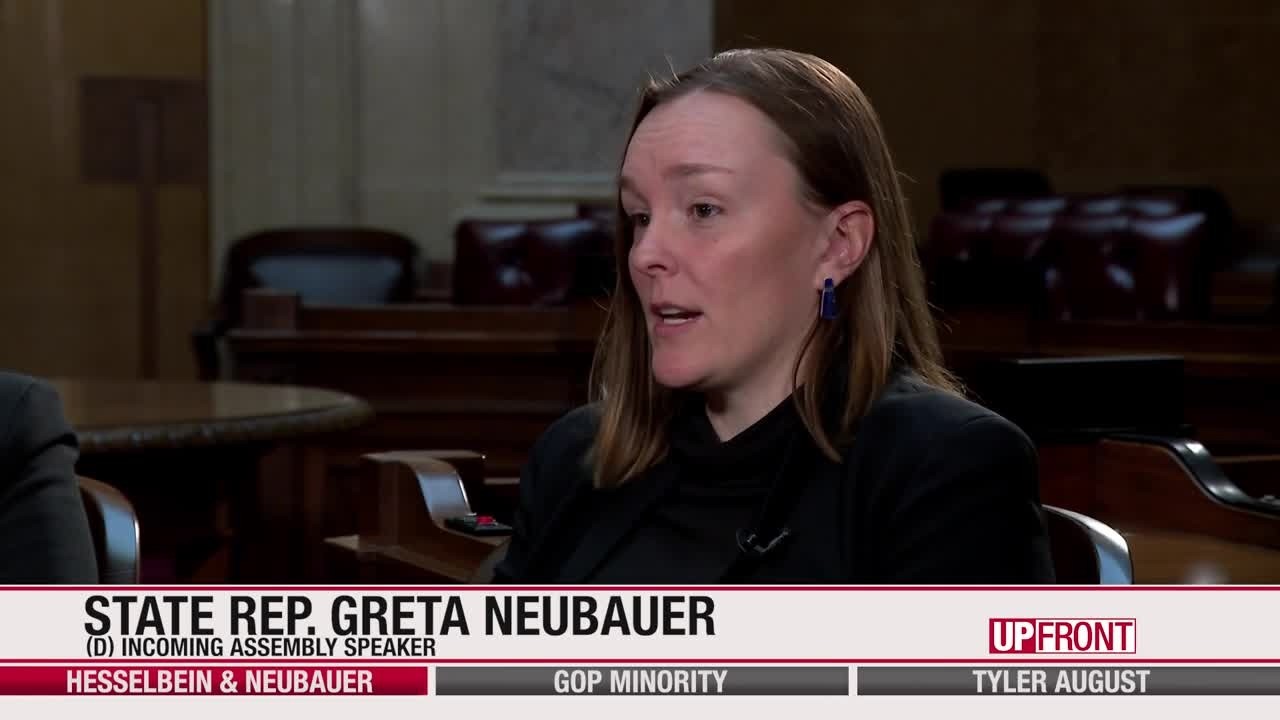
Rep. Greta Neubauer (D), incoming speaker of the Assembly, told WISN-TV that Democrats are “hoping to get that done soon.”
“We’d like those revenues to be invested back into the state of Wisconsin—in our schools, our infrastructure, our other essential functions,” she said.
Sen. Dianne Hesselbein (D), the incoming Senate majority leader, agreed, saying that “we absolutely need to get that done.”
“People across the entire state have had these referendums saying they want to legalize marijuana,” she said, referring to nonbinding cannabis ballot measures that voters in certain counties and municipalities have approved. “And we know that we’re losing money to our neighboring states. We need to get that done in our state.”
When asked whether cannabis revenue is the “magic solution” to fix the state’s budget issues, Hesselbein said she doesn’t think there is “one magic solution,” while Neubauer added that the new money would “help.”
“We will need those dollars to come in so that we can make the budget work, but of course there’s a lot of pieces to figure out,” the incoming speaker said.
Incoming Joint Finance Committee co-chairs Sen. LaTonya Johnson (D) and Rep. Tip McGuire (D) both told The Wisconsin Examiner that legalizing marijuana would be a good way to generate revenue for the state.
“That’s something that has been glossed over, but could provide some resources for the state, especially as we see so many of our surrounding states having legalized it,” McGuire said. “We should be finding ways to make sure that that’s in a safe, responsible manner, and if the state can collect revenues off that, that’d be great.”
Meanwhile, a number of Republican lawmakers say they are open to teaming up with Democrats reform marijuana laws.
“I think it totally depends on what it looks like,” Rep. Tyler August (R), the incoming Assembly minority leader, told WISN-TV. “We’ve had members, myself included, that have been more open to that idea than other Republicans in the past. I think the wise way to do it would be maybe go down the road of medical marijuana first. There’s not been a lot of states that have ever gone from no legality of cannabis at all to just full-blown recreational and medical all at the same time.”
“So I think a lot remains to be seen,” he said. “But there’s a lot of states that have done it. There’s good ways and bad ways to do it. I hope that they will actually take a look at what other states have done and not just have a knee-jerk reaction and try and rush something through.”
Rep. Paul Tittl (R) said he is willing to support marijuana reform if Democrats move to advance the issue, especially for medical use.
In an interview with WOMT radio on Monday, the GOP lawmaker discussing conversations he has had with constituents who described the benefits of medical cannabis.
When it comes to recreational marijuana legalization, Tittl says he would “probably support it because it’s going to gather taxes.”
“There was a guy that I met with during the campaign was telling me, I don’t know if it was 18 or 21 percent tax that Michigan gets. That guy that goes up there and helps for anxiety and stuff like that,” he said. “They’re taxing, and all of our money is leaving the state. You know, if it can help and employ people here, I’d be definitely looking at how much we could collect off of it.”
Listen to Tittl’s comments, starting about 11:15 into the audio below:
Gov.-elect David Crowley (D) supports marijuana legalization, saying in a recent interview that “we’re missing out on tens of millions, if not hundreds of millions of dollars of revenue that could be funding many of the priorities that we ran on,” referring to previously discussed plans to use legal cannabis taxes to offset cuts to Medicaid and to support education programs.
He did say, however, that while “a lot of people are high on passing marijuana legally,” he wants to take the time to “make sure that we’re doing it the right way, the best way for the state of Wisconsin, and we do that by talking to other states that did this by learning the dos and don’ts.”
Hesselbein and Neubauer, the Democratic Senate and Assembly leaders, recently discussed their support for legalizing marijuana within their first year in control of their respective chambers.
Meanwhile, Sen. Julian Bradley (R), the incoming minority leader in his chamber, did not rule out the possibility of working with Democrats to legalize cannabis, but said he wants to see the details of their plan first.
Democratic lawmakers and incumbent Gov. Tony Evers (D) have pushed to legalize marijuana for recreational and medical purposes for years, but those proposals have been blocked by the legislature’s Republican majority.
A limited medical cannabis bill did clear one committee this session, but did not advance further.
—
Marijuana Moment is tracking hundreds of cannabis, psychedelics and drug policy bills in state legislatures and Congress this year. Patreon supporters pledging at least $25/month get access to our interactive maps, charts and hearing calendar so they don’t miss any developments.
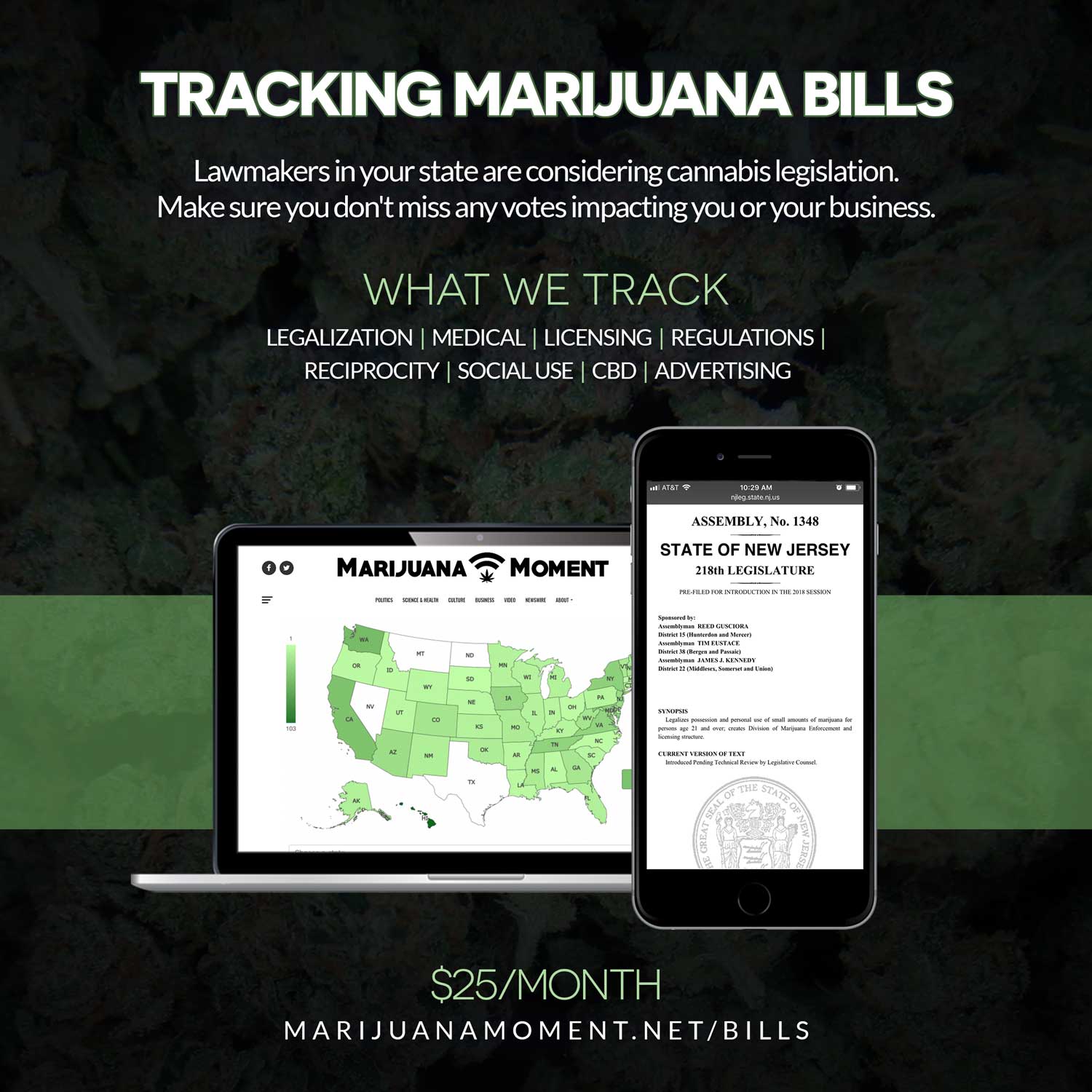
Learn more about our marijuana bill tracker and become a supporter on Patreon to get access.
—
Democratic lawmakers filed legislation in the 2026 session to broadly legalize and regulate marijuana, and bipartisan legislation to simply decriminalize cannabis possession was also filed—but neither proposal advanced.
A poll released last year by Marquette Law School found that two in three Wisconsin voters support legalizing marijuana.
A legislative analysis requested by lawmakers estimated that Wisconsin residents spent more than $121 million on cannabis in Illinois alone in 2022, contributing $36 million in tax revenue to the neighboring state.
Meanwhile, the state Department of Revenue released a fiscal estimate of the economic impact of a legalization bill in 2023, projecting that the reform would generate nearly $170 million annually in tax revenue.