Politics
Marijuana Would Be Legalized Statewide In Texas Under New Bills Filed For 2027 Session

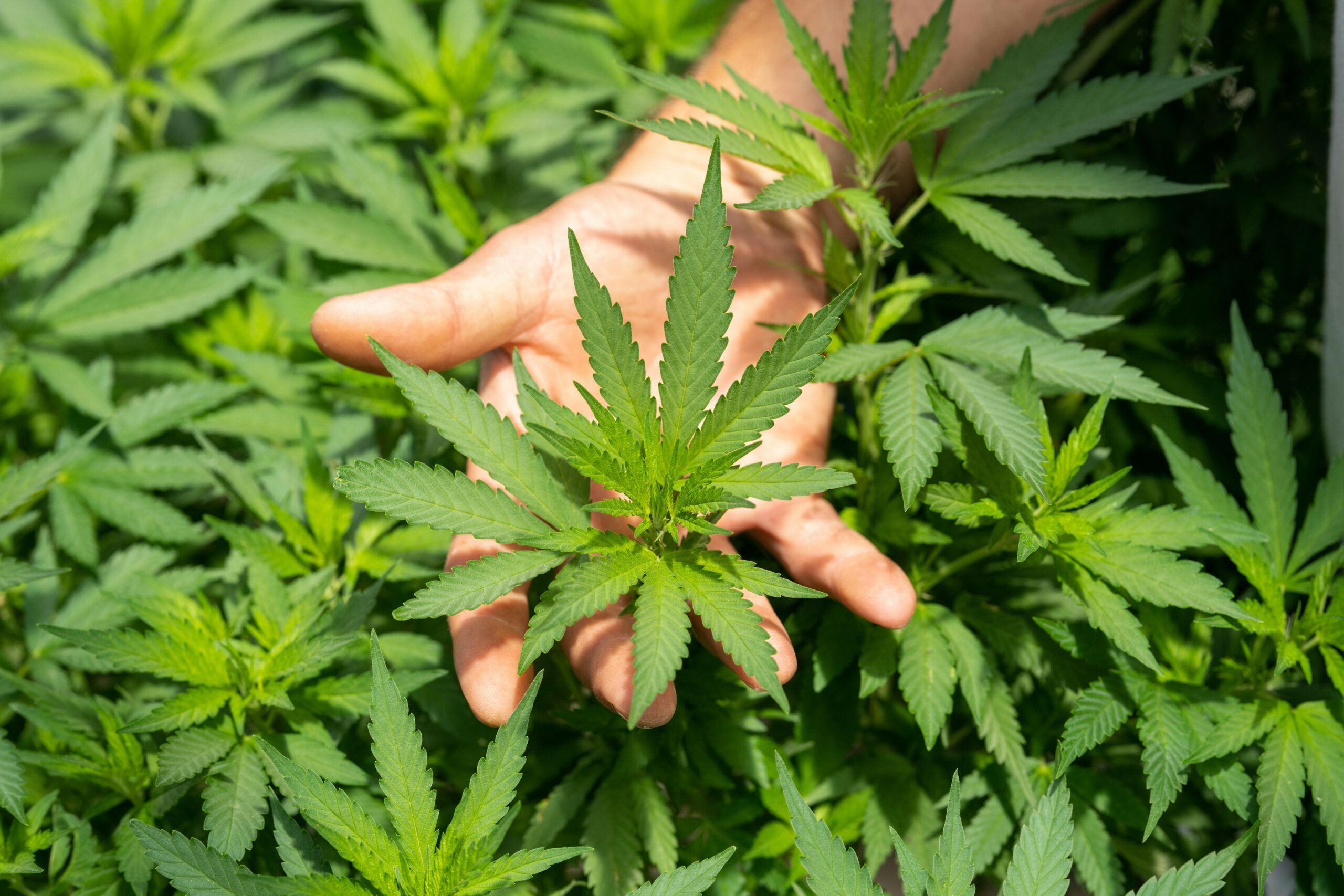
Just one week after the midterm elections put Texas Democrats in control of statewide offices and gave the party a majority in the House of Representatives, lawmakers have begun prefiling bills for the 2027 session to legalize marijuana and make other reforms to cannabis laws.
HB 369, filed on Monday by Rep. Joe Moody (D), and HB 362, from Rep. John Bucy III (D), are both titled the Texas Regulation of Cannabis Act and contain largely identical provisions.
The legislation would allow adults over 21 years of age to possess, use and transport up to 2 ounces of cannabis, including no more than 15 grams of concentrate.
They would also be allowed to grow up to 12 cannabis plants at home for personal use.
The legislation would additionally establish a system of licensed and regulated businesses to cultivate, process, transport, test and sell marijuana to adults.
The Commission of Licensing and Regulation would adopt implementing rules, and the Department of Licensing and Regulation would administer the program.
Transfers of cannabis from cultivation businesses to dispensaries would be taxed at 15 percent, and sales to consumers at the point of purchase would see an additional 20 percent tax, in addition to normal sales taxes.
Revenue would be split between schools (50 percent), a veterans’ assistance fund (25 percent), drug treatment programs (15 percent) and local governments (10 percent).
Local government would not be able to ban or unreasonably restrict marijuana businesses from operating.
A separate bill, SB 237 from Sen. Carol Alvarado (D), contains a similar marijuana legalization framework but includes a higher possession limit of 2.5 ounces, allows counties to ban cannabis businesses from operating and does not impose new excise taxes but instead seeks to generate revenue through business licensing and application fees.
Other newly prefiled cannabis bills for the 2027 session that starts in January include:
- HB 667 from Rep. Joe Moody (D), which would generally reduce penalties for marijuana concentrates.
- HB 330 from Rep. Mihaela Plesa (D), which would allow patients to access medical cannabis for a condition that causes menstrual
cramps, including premenstrual dysphoric disorder or dysmenorrhea. - HB 507 from Rep. John Bucy III (D), which would prevent state agencies and local governments from drug testing most employees and independent contractors for cannabinoids or penalizing them for legally using low-THC medical cannabis or consumable hemp products.
Meanwhile, Texas’s incoming Democratic lieutenant governor recently discussed various options for how to move ahead with cannabis reform following her party’s electoral victories.
“There’s differing opinions even within the industry,” Lt. Gov.-elect Vikki Goodwin (D) said. “There’s been conversations about, do we expand our TCUP, the Texas Compassionate Use Program, which is medicinal marijuana, or do we legalize it altogether? So we still need to have conversations about that.”
In a separate recent interview, she said she is “not in favor of a THC ban” along the lines of hemp product restrictions that incumbent Gov. Dan. Patrick (R), who she defeated at the ballot, got through the legislature last session but which was subsequently vetoed by Gov. Greg Abbott (R).
Following that veto, however, state agencies advanced restrictive rules that effectively banned many hemp products and which are currently being challenged in court.
“I think that we should have the Department of State Health Services unwind the rules that they put in place because that’s legislative,” the lieutenant governor-elect said. “They changed the law through those rules, and they don’t have the authority to do that.”
During the campaign, Goodwin made clear that she supports marijuana reform—including by hosting a “Legalize It” rally and organizing cannabis-focused phonebanking efforts.
She also claimed that Patrick pushed to ban hemp THC products in order to benefit alcohol companies, which happen to be among his substantial campaign contributors.
Gov.-elect Gina Hinojosa (D) has said she wants to let Texas voters decide on marijuana legalization via a legislative ballot referendum, though under state law that would have to be a constitutional amendment.
A strong bipartisan majority of Texans support legalizing or decriminalizing marijuana, according to recent polling.
Separately last week, voters in Houston approved a ballot initiative to make misdemeanor marijuana possession the “lowest possible enforcement priority” for local police while also banning no-knock warrants.
Meanwhile, Sen.-elect James Talarico (D-TX) has said he wants to parter with President Donald Trump to federally legalize marijuana.