Politics
Congress Holds Hearing On Psychedelics’ Medical Benefits For Military Veterans

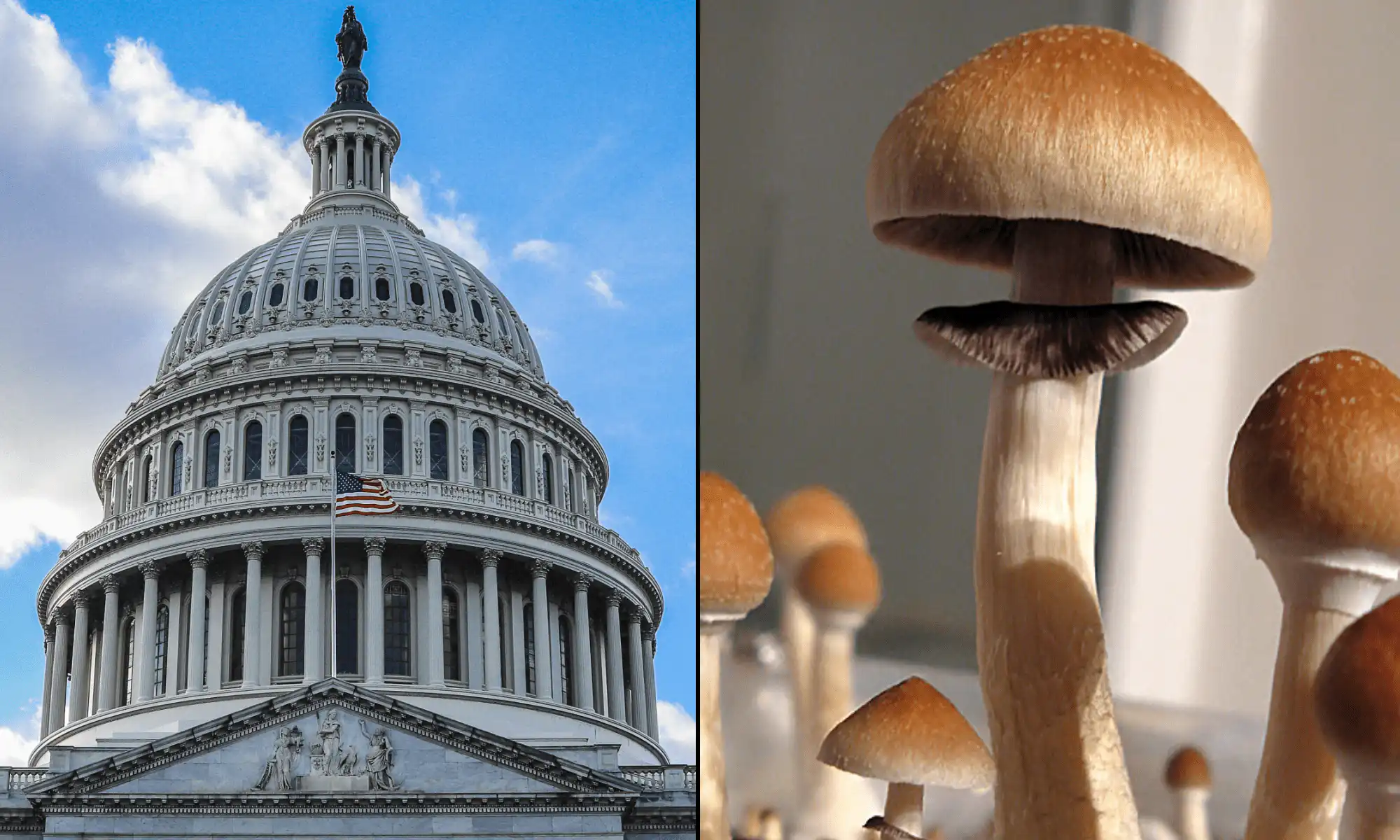
A congressional committee held a hearing about increasing military veterans’ access to psychedelic treatments—with officials from the U.S. Department of Veterans Affairs (VA) testifying alongside medical professionals and researchers.
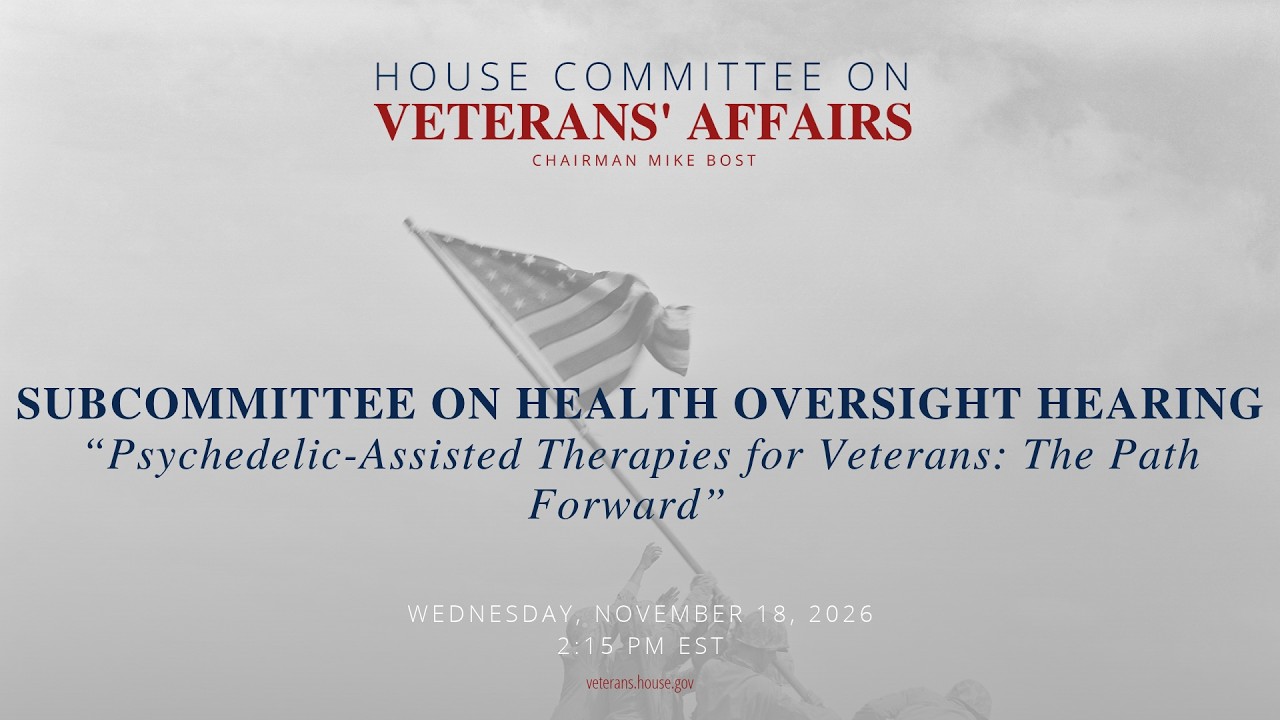
The hearing—titled “Psychedelic-Assisted Therapies for Veterans: The Path Forward”—was held before the House Veterans’ Affairs Subcommittee on Health on Wednesday.
Rep. Mariannette Miller-Meeks (R-IA), chair of the panel, began the hearing by noting that “emerging research into substances such as MDMA and psilocybin has shown promise for treating PTSD, treatment-resistant depression, and other serious mental health conditions.”
“While more research is needed, these developments should at least give us a reason to be optimistic,” she said. “Fortunately, the VA is uniquely positioned to help lead this effort. With one of the largest integrative healthcare systems in the country, a robust research enterprise and decades of experience treating veterans with complex mental health conditions, the VA has the capabilities to help move these therapies from research toward clinical practice.”
The congresswoman, who is a physician, noted that she never imagined herself supporting psychedelic therapy when she entered Congress in 2021, but said after “meeting with veterans from all walks of life, I have found the effectiveness of these treatments and am willing to advance it as potential hope.”
“If these emerging therapies can help improve outcomes, restore hope, and save lives, then we owe it to our veterans to responsibly pursue this opportunity,” Miller-Meeks said. “They have earned nothing less.”
Rep. Julia Brownley (D-CA), the Democratic ranking member on the subcommittee, noted that the hearing comes at “a very pivotal moment for veterans and lawmakers interested in psychedelic-assisted treatments.”
“We are on the cusp of seeing [Food and Drug Administration] approval for psychedelic compound to treat mental health conditions at a time when we have not seen a novel treatment approved for mental health conditions for many years,” she said. “This is extremely welcome news and will change lives for the better.
Brownley cautioned, however, that psychedelics, like other treatments, “will not be a panacea for everyone, and particularly not for every veteran.”
“It’s also important that VA is ready to contend with the growth in private sector providers that will inevitably occur in response to the massive demand for psychedelics once these drugs receive FDA approval,” she said. “As we have already seen with other treatments, such as ketamine being prescribed off-label for depression, the entry of psychedelics to the market will likely lead to growth in the industry of wellness centers centers marketing themselves to veterans. It will be critical for VA to carefully develop criteria for any provider of psychedelic-assisted treatments to be able to join its community care network.”
Andrew Gradison, a senior advisor to the under secretary for health at the VA’s Veterans Health Administration (VHA), said in testimony for the hearing that President Donald Trump’s administration “has taken decisive action to accelerate psychedelic research and eliminate regulatory obstacles that have historically slowed progress.”
He cited an executive order Trump signed in April with the aim of expediting psychedelic therapy access, saying it was the “first EO in American history dedicated specifically to accelerating clinical research and regulatory review of psychedelics, underscoring the president’s firm commitment to advancing emerging treatments for serious mental illnesses.”
Since then, “VA’s psychedelics research portfolio has grown substantially in response, and our interagency partnerships are driving rapid and safe scientific advancement,” Gradison said, noting that it is now conducting 21 active clinical studies on psychedelics to treat mental health conditions.
He specifically cited a clinical trial VA announced in August to investigate whether psilocybin can help military veterans who are struggling with treatment-resistant depression.
“VA strives to lead the Nation in exploring the therapeutic potential of psychedelic drugs,” Gradison said, adding that the department recognizes that substances such as psilocybin, MDMA and ibogaine “offer promising potential for the complex mental health conditions affecting many of the Veterans we treat.”
The VA official also touted a memorandum of understanding his department signed with the Department of Health and Human Services (HHS) in July outlining a partnership to collaborate on research and development of psychedelic medicines to treat people struggling with serious mental health conditions.
The agreement, he said “lays the groundwork for unprecedented VA-HHS operational cooperation on psychedelic trials.”
“As we prepare for potential clinical implementation, VA remains anchored in three core priorities: first, ensuring Veteran safety above all else; second, building a rigorous body of evidence to determine which treatments work for which Veterans; and third, laying the foundation so that, pending all regulatory approvals, VA is positioned to be the first health care system in the Nation to deliver these treatments to Veterans. These priorities shape every research, clinical, and policy decision we make in this space.”
Gradison said VA has already identified 10 facilities “with the expertise, physical space, and operational capacity needed to serve as early implementers, educators, or sites-in-training” with teams that are “experienced in psychedelic research protocols and are preparing to translate that experience into clinical care that maximizes Veterans’ safety if treatments are approved.”
The VA official emphasized, however, that the department discourages self-medicating with psychedelics or using them to replace other mental health treatment options.