Politics
California’s Cannabis Regulations Are Creating A Soil Health Crisis (Op-Ed)

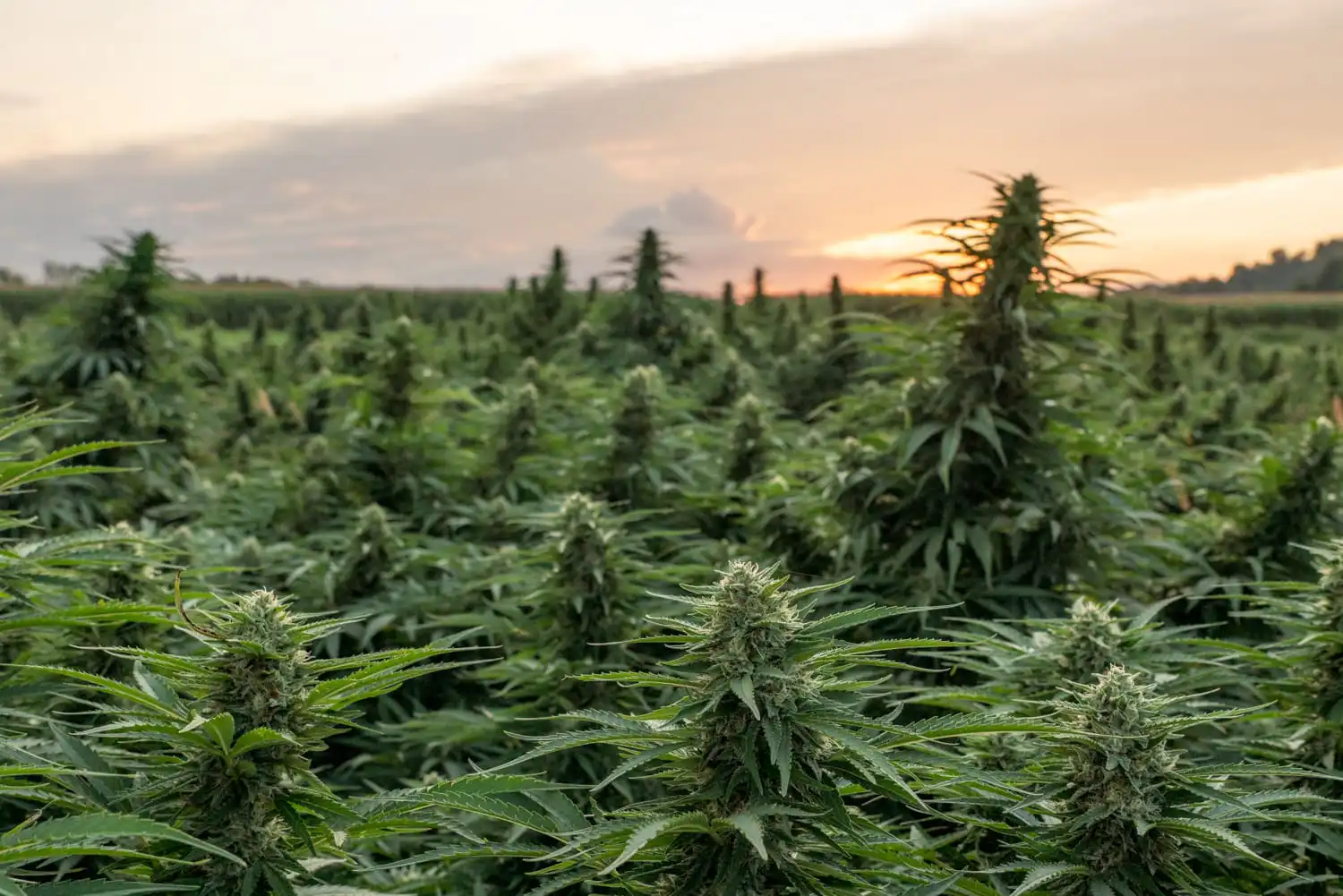
“Farmers are effectively paying the state for the privilege of not growing cannabis, even when taking a season off may be necessary to maintain the long-term health of their land.”
By Micah Anderson, LEEF Brands
Thousands of years ago, farmers began recognizing that repeatedly growing the same crops on the same land could exhaust the soil and make their fields more vulnerable to pests and disease. Over generations, agricultural societies developed practices like crop rotation, planting cover crops and allowing fields to rest. These practices helped sustain agricultural production and eventually became fundamental to modern farming.
Yet in California, where agriculture is one of the foundations of our economy, nearly a decade of cannabis regulation has produced a system that makes it unnecessarily difficult for outdoor farmers to rotate their crops and rest their soil.
We are beginning to see why this matters. Fusarium, a group of fungi that can cause serious disease in cannabis plants, has become a growing concern for outdoor cultivators in Northern California.
Ian Powell, CEO of Mendocino Grasslands and a longtime cultivator in Mendocino County, has experienced worsening Fusarium problems over the past three growing seasons. In 2026, he estimates that the disease caused a 35 percent crop loss in one of his 10,000-square-foot cultivation areas, and he has heard reports of similar problems from numerous other farmers across the state.
Unlike most agricultural producers, cannabis farmers are licensed to cultivate within a specific area of their property. Moving cultivation to another field, even on the same property, can require modifications to state licenses, local permits and environmental approvals. Farmers have also invested substantial amounts of money in fencing, security cameras, irrigation and other infrastructure tied to their approved cultivation areas.
The result is that farmers often continue growing cannabis on the same ground year after year, even when rotating to another field or allowing the soil to rest would be a better agricultural decision.
“California needs to recognize that growing cannabis outdoors is agriculture, and farmers need the flexibility to manage their land responsibly,” Powell explained. “I’ve watched Fusarium become a growing problem on my farm over the last three years. We’re not asking to grow more cannabis or get around environmental regulations. We’re asking for the ability to rotate our fields, give the soil time to recover, and protect the land for future generations.”
Ian’s experience reflects a broader challenge facing outdoor cannabis cultivators. We are hearing similar reports from farms across California dealing with soilborne pathogens and struggling to maintain healthy soil while operating within the state’s existing regulatory framework.
Fusarium is not unique to cannabis, and it can enter a farm through infected clones or other nursery material. It would be inaccurate to suggest that repeatedly cultivating the same ground is responsible for every outbreak. But certain Fusarium pathogens can persist in soil for years, and repeatedly monocropping can contribute to disease pressure.
Depending on the pathogen, crop rotation and allowing fields to rest can be important parts of managing these problems. Other soilborne diseases, including Verticillium, can also require farmers to change how they use particular fields over time.
Under the U.S. Department of Agriculture’s National Organic Program, certified organic crop producers are required to implement crop rotation practices that help maintain soil health, manage pests and diseases and prevent erosion. Yet California’s cannabis regulations can make it unnecessarily difficult for outdoor cannabis farmers to follow the same practices.
The economics of California’s cannabis industry make this problem worse. Wholesale prices have declined significantly over the past several years, and outdoor farmers are under tremendous pressure to maximize production just to cover their operating expenses. For many farms, taking a field out of production for a season simply isn’t financially realistic.
California’s licensing fees add another complication. A single Medium Outdoor cultivation license, which allows a farmer to cultivate up to one acre (43,560 square feet) of cannabis canopy, costs $13,990 annually. Even if a farmer decides to let that land rest for a season, the state still charges 20 percent of the annual fee, or $2,798, to keep the license active under what is known as limited operations status.
Consider LEEF’s own Salisbury Canyon Ranch, which currently operates under 99 cultivation licenses. At $13,990 per license, annual state licensing fees alone total nearly $1.4 million. Even if LEEF stopped cultivating entirely and placed all 99 licenses into limited operations status, it would still face approximately $277,000 in annual licensing fees. For both large-scale and small-scale cultivators, these costs create a significant financial disincentive to letting land rest.
Farmers are effectively paying the state for the privilege of not growing cannabis, even when taking a season off may be necessary to maintain the long-term health of their land.
At LEEF, we consider our soil health one of the most valuable things on our balance sheet. Rotating crops, allowing fields to rest and planning how our land will be used over many years are essential to protecting that investment. These are the same considerations that farmers growing other crops deal with regularly.
But California’s cannabis regulations were developed primarily around controlling cultivation within fixed, approved premises. That approach may work reasonably well for indoor cultivation, where growing media can be replaced and the environment can be controlled. It is much less practical for outdoor agriculture, where farmers must protect the health of the same native soil over many growing seasons.
This also relates to something I discussed recently in The Case for Clean Cannabis. If we want farmers to produce clean cannabis while minimizing their environmental impact, we need to make it easier for them to use preventive agricultural practices.
Healthy soil and good agricultural management can help reduce disease pressure and the need for chemical interventions. Farmers should have every available tool to maintain healthy soil rather than being discouraged from using some of the most established practices in agriculture.
There are two relatively straightforward changes California could make.
First, the state should allow outdoor cultivators to establish multiple approved cultivation areas within the same agricultural property and rotate their active canopy between those areas. A farmer licensed to cultivate ten acres would still be limited to ten acres of active cannabis cultivation, but could move those acres between approved fields as part of an annual cultivation plan or streamlined notification process.
This would not increase the amount of cannabis a farmer is licensed to cultivate. It would simply allow farmers to rotate production between approved areas of their property to manage soil health and disease pressure. All applicable environmental protections, local land-use requirements and track-and-trace obligations would remain in place. The state would continue to know where cannabis was being cultivated, but farmers would have more flexibility to manage their land.
Second, California should waive state licensing fees for cultivation licenses placed into an approved fallowing or soil-restoration program. Farmers who voluntarily take land out of production to improve soil health should not have to continue paying substantial licensing fees for acreage they are not using.
Neither proposal requires California to abandon its existing regulatory framework. Both would simply recognize that outdoor cannabis cultivation is agriculture and that farmers need some flexibility to make decisions about their land.
When California voters approved Proposition 64 in 2016, they established the foundation for a legal cannabis industry. But the regulatory framework that emerged was far from perfect, and over the past decade, lawmakers, regulators and industry participants have worked to address problems that became apparent as the market developed. The restrictions that make crop rotation unnecessarily difficult are another example of a policy that needs to evolve.
Farmers have understood the importance of rotating crops and maintaining healthy soil for thousands of years. These practices helped sustain agricultural communities long before modern agricultural science explained why they worked. California should not force cannabis farmers to choose between complying with regulations and following agricultural principles that have supported human civilization for generations.
Micah Anderson is CEO of LEEF Brands, a California cannabis company specializing in sustainable, large-scale outdoor cultivation and advanced extraction and manufacturing, and a leading supplier of concentrates to some of the state’s top cannabis brands.