Science & Health
VA’s New Psilocybin Study For Veterans Is Progress, But Independent Psychedelic Research Needs Support Too (Op-Ed)

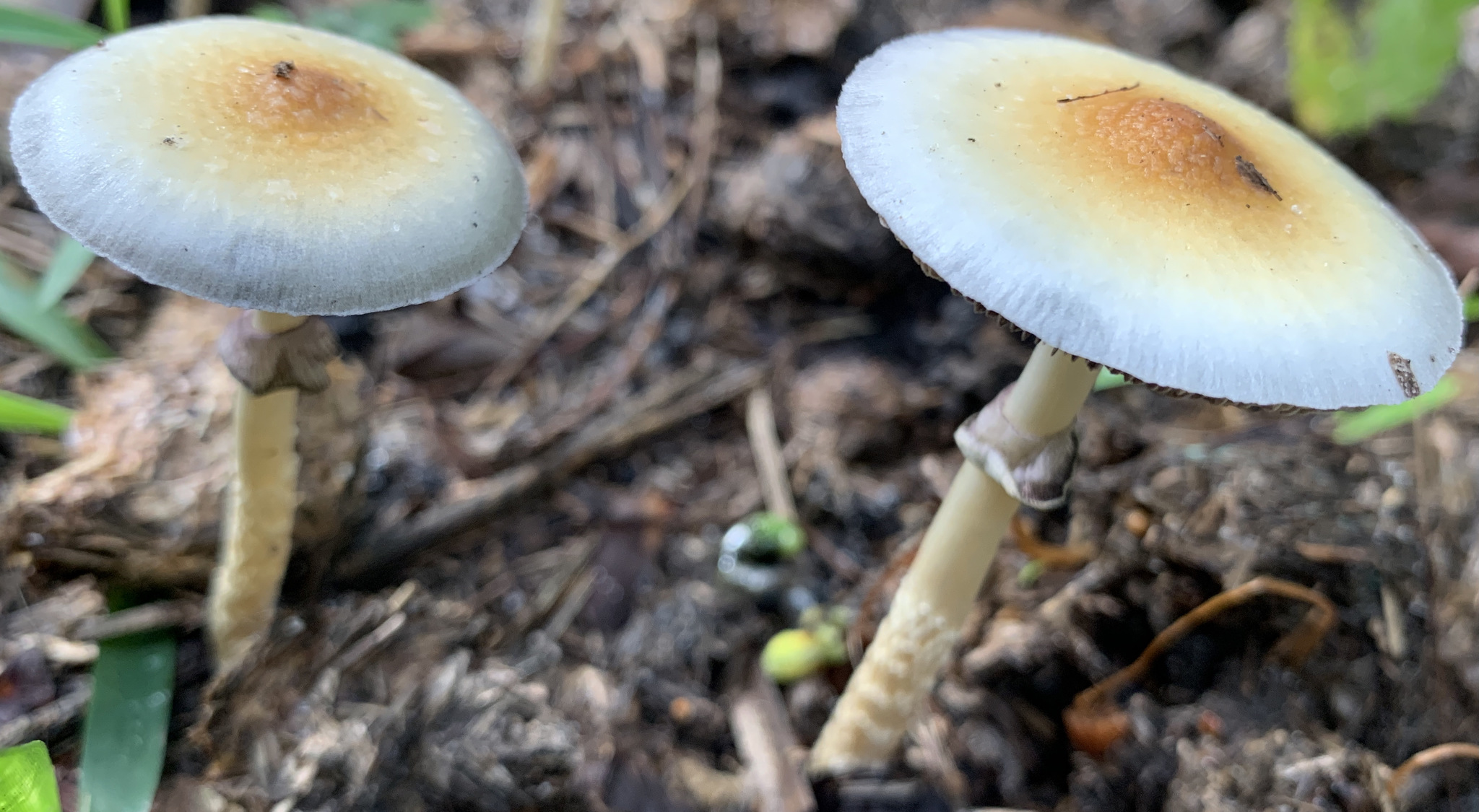
“Independent psychedelic science is neither a rival nor a replacement for VA’s efforts. It is a necessary complement, one that can ask different questions, test different models of care and help reach veterans who might otherwise have nowhere else to turn.”
By Stacey Armstrong and Alan Davis, Ohio State University Center for Psychedelic Drug Research and Education
When the Department of Veterans Affairs (VA) announced a major new psilocybin research initiative this summer, it signaled a remarkable shift in how America approaches veterans’ mental health. But if we want to understand whether psychedelic therapies can truly help veterans with post-traumatic stress disorder (PTSD), VA cannot do this work alone.
Most veterans do not use VA as their primary source of healthcare. Research must also reach those who receive care elsewhere, including those who have disengaged from VA entirely. That requires sustained support for independent academic research alongside federal efforts.
The Veteran Suicide Epidemic
Veteran suicide remains one of the most urgent public health challenges facing our country. VA reported that 6,398 veterans died by suicide in 2023. PTSD is an important part of that crisis. Although evidence-based psychotherapies and medications help many people, a substantial proportion of veterans do not experience adequate relief.
Consider Zachariah Collett, an Army veteran from Washington Court House, Ohio, who was medically retired at 25 after serving in Iraq. He lived with nightmares, constant vigilance and anger that affected his family. Years of counseling and medications had not helped.
“I was just absolutely tortured by the internal struggle, the internal dialogue, the noise inside my head and my inability even to just be still,” he said.

Clinical trials of MDMA-assisted therapy and an early psilocybin study have reported promising PTSD outcomes, but veteran-specific evidence remains limited.
At Ohio State University’s Center for Psychedelic Drug Research and Education (CPDRE), our team conducted a clinical trial to examine whether psilocybin, the primary psychoactive compound in so-called “magic mushrooms,” could be a safe and feasible intervention for veterans with severe PTSD when paired with structured psychotherapy.
VA And PIVOT
In August, VA announced the launch of Psilocybin Intervention for Veterans Overcoming Treatment-Resistant Depression, or PIVOT. This randomized, controlled Phase 3 trial will enroll approximately 240 veterans with treatment-resistant depression, with or without concurrent PTSD, at five VA medical centers. The program will provide two dosing sessions with psychological support and is expected to continue until approximately 2031.
VA is working with psychedelic drug developer Compass Pathways, which is donating its proprietary psilocybin formulation and supporting investigator training. The company received an expedited FDA review pathway for that formulation in April.
This is a remarkable milestone: a federal agency investing in rigorous research on the therapeutic potential of psychedelics.
A Welcome Change, With A Caveat
As psychedelic researchers, we welcome a broader and more rigorous program of inquiry. At the same time, it would be a mistake to rely on these studies, or studies like them, alone. Many veterans never enroll in VA programs, and others may be reluctant to return because of prior negative experiences or distrust of institutions.
In a 2025 essay for The War Horse, Navy veteran Dylan Harrington described being unable to work or leave home and losing trust in the VA after cycling through therapists and medications without adequate relief.
If psychedelic-assisted therapy for veterans is developed solely through government channels, some veterans may remain beyond its reach. Those in the greatest distress may be among those least likely to seek care within the systems available to them.
Our Research & Findings At CPDRE
CPDRE is an independent academic research center that operates outside VA. We conducted what is, to our knowledge, the first U.S. clinical trial of psilocybin-assisted therapy designed specifically for military veterans with severe, treatment-resistant PTSD. The results were recently published in Communications Medicine, a Nature Portfolio journal.
Nine of the 12 participants, or 75 percent, no longer met diagnostic criteria for PTSD one month after treatment. We observed no serious adverse events. Reported side effects included headaches and brief periods of anxiety.
Collett was one of those 12 participants. His recovery had begun with an earlier integrative therapy program; he later described psilocybin-assisted therapy as helping him find peace, acceptance and a different way of relating to his family.
Some participants’ PTSD symptoms began improving during the preparation phase, before they received psilocybin. Those who improved most during preparation also tended to show the greatest improvement after the dosing sessions.
Participants’ expectations about the benefits of psilocybin did not predict these outcomes in our sample. In other words, careful preparation and the development of a trusting, supportive therapeutic relationship may have contributed meaningfully to improvement. There is more to psilocybin-assisted therapy than psilocybin alone.
This distinction may sound technical, but it reflects one of the central questions in psychedelic research: How much therapeutic benefit comes from the compound itself, and how much comes from the human connection, preparation and support surrounding it? Answering that question requires careful science conducted across multiple settings, including independent academic research.
Building Parallel Tracks For Greater Access
To be clear, we do not view our work as competing with PIVOT or substituting for it, nor should PIVOT be viewed as a substitute for independent research. These are parallel, complementary tracks that serve veteran mental health while studying different conditions and answering different questions. PIVOT will operate at a scale far beyond what CPDRE has accomplished to date.
Beyond questions of reach and access are questions of scientific independence and objectivity.
Concentrating too much of a developing field within any single research program or institution carries risks. Long-term scientific progress is strengthened when there is consistent support across multiple institutions and funding sources. At present, expanding psychedelic research for veterans has both scientific and political support.
That alignment may not always continue.
Federal agencies and foundations should increase funding for veteran-focused academic research, including investigator-initiated trials testing therapeutic approaches, dosing models and patient populations beyond those studied within VA. Academic centers should partner with veteran-serving community organizations to improve recruitment and engagement, particularly among veterans outside the VA system. Training programs should prepare clinicians and researchers to conduct rigorous psychedelic research with these populations.
The Need For Many Stakeholders, Large And Small
We must also acknowledge the limitations of our own work. Our trial included only 12 participants, had no control group and used a relatively short follow-up period. The results are encouraging, but they do not provide definitive evidence of efficacy or establish how long improvements will last.
No single organization, large or small, can do this work well on its own. We should maintain healthy skepticism about the findings of any one study, including our own, and build multiple scientific pathways toward the same goals, both within and outside the federal research and funding system.
Overall, we remain optimistic about VA’s announcement. Its recognition of psychedelic research and its capacity to conduct large trials represent meaningful steps in the right direction. They are not, however, the finish line for independent inquiry, nor should they become the only path forward.
Independent psychedelic science is neither a rival nor a replacement for VA’s efforts. It is a necessary complement, one that can ask different questions, test different models of care and help reach veterans who might otherwise have nowhere else to turn.
Stacey B. Armstrong is associate director and senior researcher at the Center for Psychedelic Drug Research and Education (CPDRE) at Ohio State University. Alan K. Davis is director of the Center for Psychedelic Drug Research and Education at Ohio State University and an adjunct faculty member at Johns Hopkins University.
Photo courtesy of Mark Groeneveld.