Politics
Kansas Should Legalize Marijuana, Democratic Candidate For Governor Says, Criticizing GOP Opponent For Blocking Medical Access


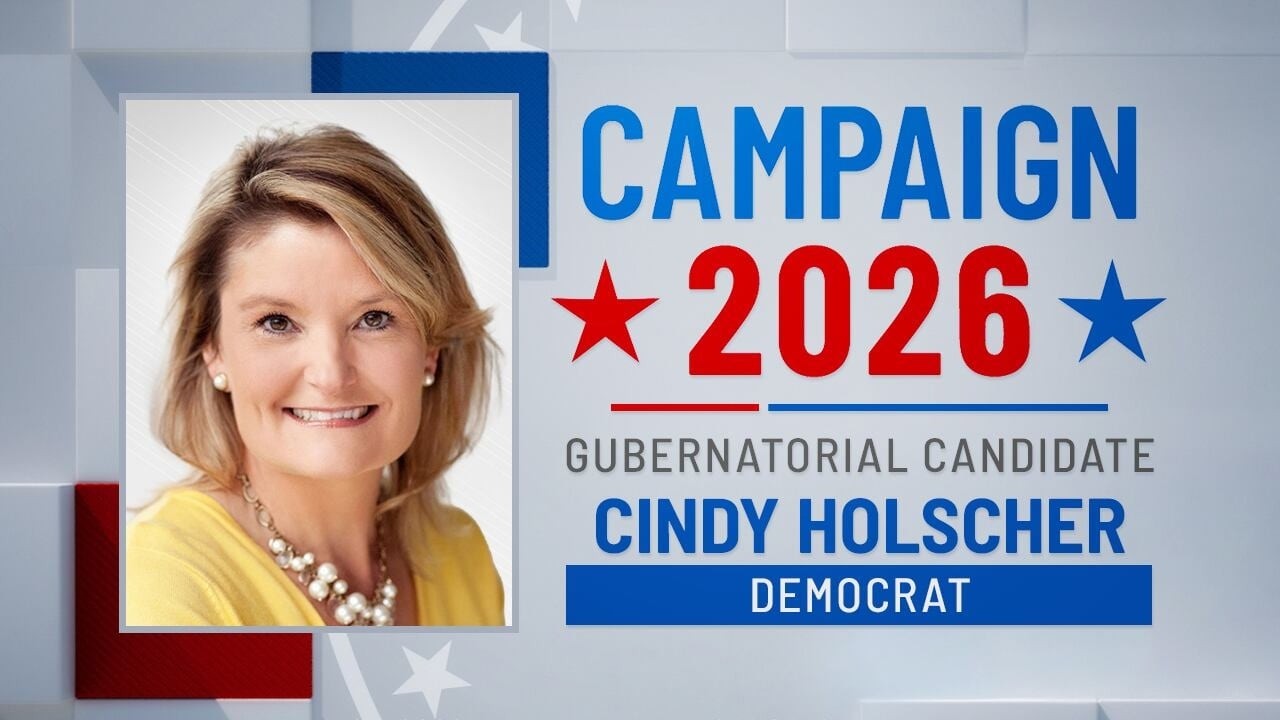
It’s time to for Kansas to legalize marijuana and stop letting other states collect tax revenue by selling cannabis to its residents, the Democratic Party’s nominee for governor in next month’s election says. She is also calling out her Republican opponent for blocking marijuana reform bills in the legislature despite public support.
“I believe close to 70 percent of the population is in favor of legalization, but you get a few people once in a while who will say, ‘Well, we don’t want to bring that here,'” Cindy Holscher, who currently serves as a state senator, said in an interview with 12 News.
“My response: It’s already here. If you drive along state line in Johnson County, you drive along the border on the southern edge to Oklahoma, and you see the dispensaries—there’s Kansas plates there,” she said. “So it’s already here.”
“But what’s happening is we aren’t getting the revenue for it, and we aren’t getting our guardrails in place. We need to do that,” Holscher said. “The revenue that’s projected to come in could help us do things like better funding public education in terms of special ed, could help us in terms of free lunches for kids—making that part of the day. You know there are things that we could do with that money to help build up our critical infrastructure and be better focused on our people.”
The Democratic gubernatorial candidate also spoke about marijuana legalization in another interview with The University Daily Kansan, saying that the “good news, or silver lining, in terms of being one of the last states is that we can take the good models that are out there to replicate here.”
“And we’ve seen things that don’t work, so we’re in a position to adopt the best situation possible,” she said.
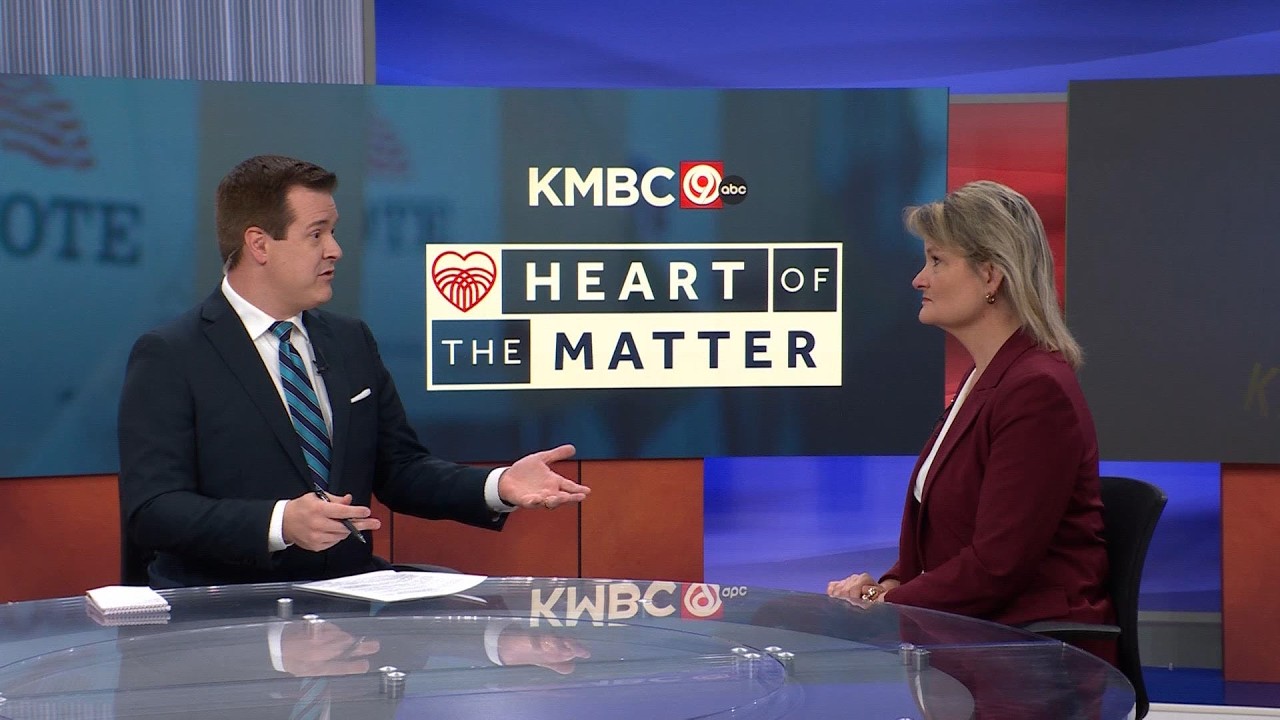
Holscher additionally discussed the fiscal impact of cannabis legalization in a separate interview with KMBC 9.
“I will tell you I’m a supporter of legalizing cannabis, as well as the bulk of the population of Kansans,” she said. “Anywhere from 65 to 75 percent of Kansans support legalization. That in Missouri has amounted to $255 million in revenue.”
Asked how she would get cannabis reform through a Republican-controlled legislature, Holscher said she and allies succeeded in passing a medical cannabis bill through the state House of Representatives in 2021 that went on to die in the Senate—putting blame for the ultimate defeat on her opponent in the governor’s race, Kansas Senate President Ty Masterson (R).
“You know, I got it passed in the House a few years ago. Guess who stopped it in the Senate? Ty Masterson,” she said. “The things that people want, the things that people support, he has been stopping.”
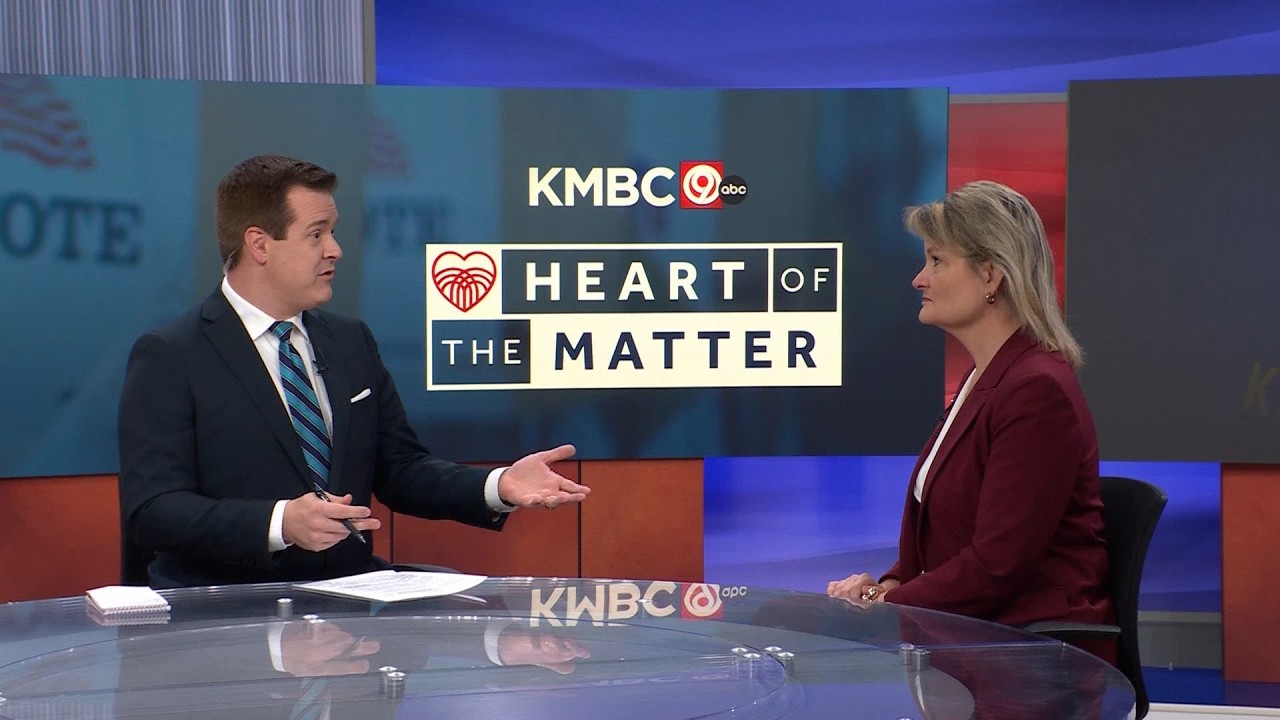
Later in the interview, Holscher was pressed on how she would succeed in garnering the support of moderate voters while her political opponents tag her as a “radical.”
“The things I’m fighting for—Medicaid expansion, legalizing cannabis, funding of our schools, lowering property taxes—those are all things that are supported by anywhere from 65 to 75 percent of the Kansas population, she said. “I’m not extreme. I’m mainstream. You know what’s extreme? The fact that my opponent is pushing back against the things that Kansans overwhelmingly support. Time and time again, Ty Masterson has pushed back against Medicaid expansion, legalizing of cannabis.”
Masterson, for his part, said in 2023 that was open to a discussion about a limited medical marijuana program. But in 2024, he appeared less welcoming to the idea, calling medical cannabis legalization a “nonstarter,” suggesting the policy change would lead to a surge in “gang activity” and put kids at risk.
Incumbent Kansas Gov. Laura Kelly (D) said last year that it’s time for lawmakers in the state to finally legalize medical marijuana.
Polling from last year found that 70 percent of Kansans support legalizing medical marijuana. About six in 10 (59 percent) of respondents also said they supported more broadly legalizing recreational cannabis.
After the House of Representatives passed a medical cannabis bill in 2021, it stalled out in the Senate. And while the Senate Federal and State Affairs Committee held numerous hearings on the issue, it voted in 2024 to table a limited medical marijuana pilot program bill.
A later effort to revive the medical cannabis bill on the Senate floor ultimately fell short. That measure was filed about a month after the House rejected a Democratic lawmaker’s amendment to a broader drug scheduling bill that would have removed marijuana entirely from the state’s controlled substances law, effectively legalizing it.
In 2024, meanwhile, a state legislative panel voted against a proposed recommendation that lawmakers legalize medical cannabis in 2025.
The legislature’s Special Committee on Medical Marijuana, charged with consideration of possible pathways for medical cannabis reform, said legalizing medical marijuana was premature and that lawmakers should first wait to see how federal rescheduling and other reform efforts unfold.