Science & Health
Medical Marijuana Helps People With Autism Reduce Anxiety And Depression, Government Study Shows

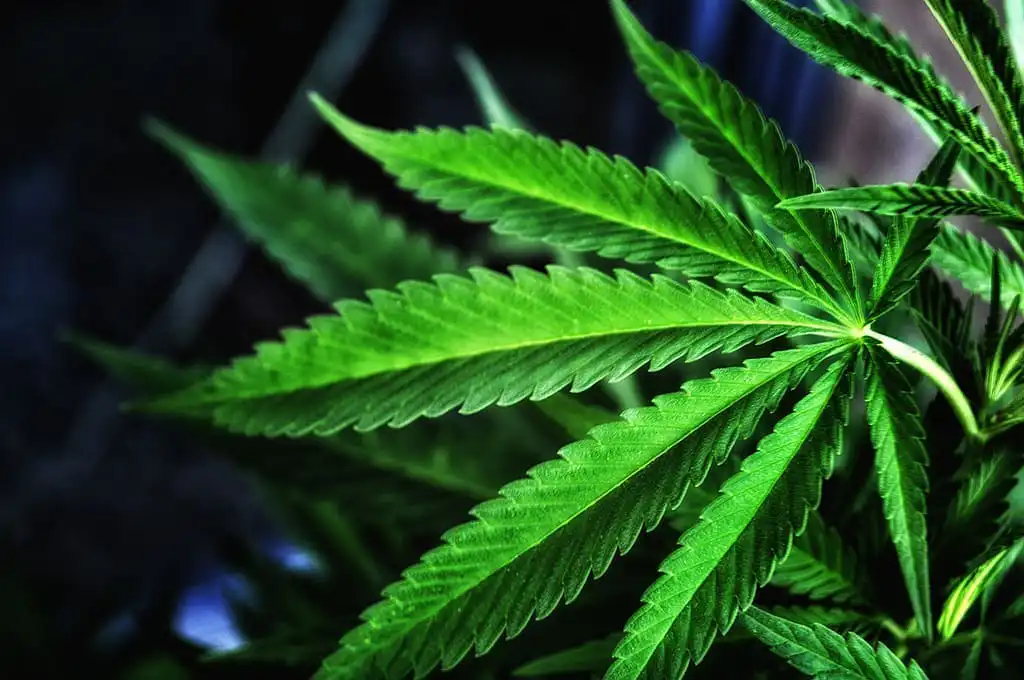
Medical marijuana helps people with autism ease their anxiety and depression, according a new study conducted by state officials in Minnesota.
The research, which involved 1,800 patients enrolled in the state’s medical marijuana program, is “one of the largest on record involving autism spectrum disorder (ASD) and medical cannabis patients,” officials said.
Of the 88 percent of patients who reported experiencing moderate to severe anxiety upon entering the program, more than half (57 percent) were able to reduce their anxiety by 30 percent or more within four months of beginning medical cannabis use, and 67 percent of those maintained that reduction for an additional four months, according to their answers on self-report surveys.
“Patients also reported similar improvements in disturbed sleep (37.3%), fatigue (34.4%), and depression (41.3%) scores,” the study said.
“In summary, a proportion of patients qualified for ASD report to have reached clinically meaningful improvements in various symptoms, some of which are commonly reported in this population such as anxiety, depression, and sleep disturbances,” it concluded.
“Patients were able to achieve and maintain symptom relief after starting medical cannabis.”
The study also compiled quotes from patients and caregivers about the benefits they saw from medical marijuana:
- “Medical cannabis has helped me deal with so many aspects of my disorder. From being able to eat food in the morning without being sick to being an addition to therapy and the like.”
- “It feels like my autistic anxiety has calmed down a bit. It helps me sleep a little better. Numbs the depression pain a little.”
- “[Patient] seems happier, smiles more and will engage in an activity more easily.”
- “Decrease in anxiety, decrease in aggressive behavior, decrease in self-injurious behavior, sleeping much better, decrease in seizures, better appetite.”
- “Medical cannabis has eased social anxiety as well as anxiety that I have in the workplace. It has allowed me to be a better student, friend and employee to my peers.”
“This study demonstrates the value of listening to patients and using real-world data to better understand how medical cannabis may improve their quality of life,” OCM Executive Director Eric Taubel said in a press release. “The findings are encouraging, particularly for patients experiencing anxiety, depression, sleep difficulties and other conditions that can accompany autism. As Minnesota’s cannabis market continues to evolve, research like this helps us build a stronger evidence base and make informed decisions that put patients and public health first.”
“Medical cannabis patients qualified for ASD reported reduced anxiety and a sub-set of patients reported reduced presence/severity of behavioral symptoms after starting medical cannabis.”
The researchers cautioned that there are some limitations to the study, however.
For example, since all patients involved used medical marijuana, it “cannot compare the effectiveness in symptom relief to a control or placebo group.” Other limitations are that there was a lack of information about what other medications and treatments the patients were using, and that many patients were under the age of 18 and had a parent or caregiver filling out the surveys for them.
Daren Howard, interim executive director of the Autism Society of Minnesota, said the group is”particularly encouraged by findings that medical cannabis patients with autism report reduced anxiety and depression, because these are pervasive concerns within our community.”
“This study represents an important step toward safely informing the public and expanding access to supportive treatment options,” he said.
A previous study published by state officials in Minnesota found that medical cannabis appears to help cancer patients by decreasing pain, nausea, vomiting, anxiety and depression while also improving sleep.
Another study they conducted showed that medical marijuana use by chronic pain patients is associated with significant improvements in life enjoyment, general activity and physical wellbeing.
OCM also conducted a study showing that medical cannabis provides significant benefits for people struggling with sleep apnea.
Last month, Minnesota officials touted the fact that retailers have sold more than a quarter of a billion dollars’ worth in legal marijuana products since the state’s legal recreational cannabis market launched one year ago.
Photo courtesy of Carlos Gracia.