Politics
We Say We Support Veterans, But Why Is Accessing Medical Cannabis Still So Difficult? (Op-Ed)

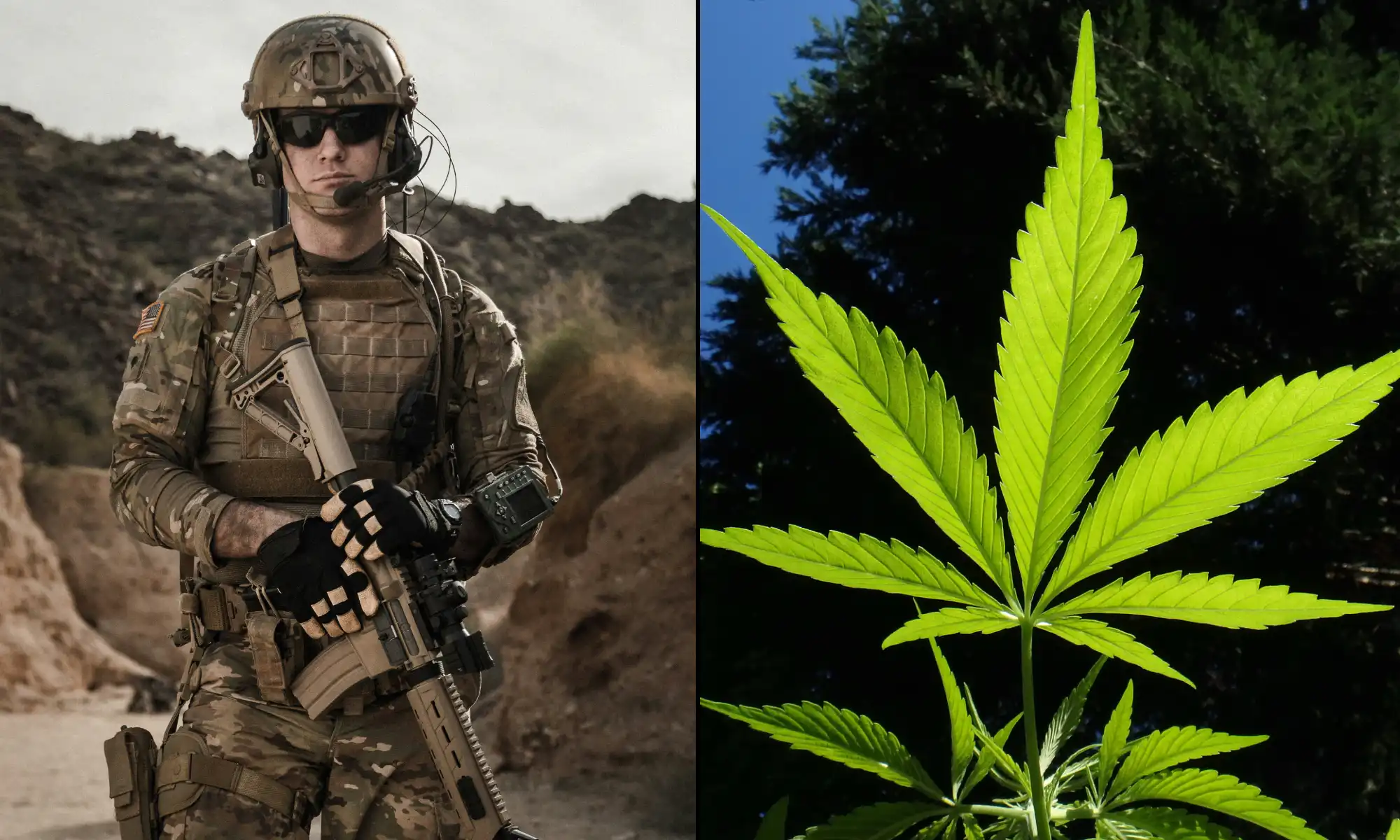
“This Veterans Day, let’s measure our support in more than ceremonies and dispensary discounts.”
By Narith Panh, Dragonfly Wellness
Every Veterans Day, communities across the country thank the men and women who served. We hold ceremonies, organize meals, offer retail discounts (including for cannabis) and promise the veterans they won’t be forgotten. Those gestures are important. But gratitude should also be reflected in the healthcare systems veterans must navigate when they return home.
In a recent Marijuana Moment op-ed, Americans for Safe Access founder Steph Sherer described federal registration of more than 900 medical cannabis dispensaries as a landmark victory for patient access. She’s right. After decades of conflict between state programs and federal law, recognition of existing medical cannabis providers is meaningful progress.
Her column also made another important point: Registration doesn’t eliminate the barriers patients face. For veterans considering medical cannabis, some of those barriers are especially complicated.
My home state of Utah is home to roughly 130,000 veterans, and the U.S. Department of Veterans Affairs’s (VA) Salt Lake City PTSD clinic alone treats approximately 1,000 annually.
Utah allows medical cannabis access for people with post-traumatic stress disorder, but it doesn’t make it easy. Eligibility comes with additional requirements for the only qualifying mental health condition in the state. PTSD must be diagnosed or confirmed by certain licensed professionals and documented in the patient’s records. The condition must also be monitored by a licensed mental health therapist. A patient then needs a separate recommendation from an authorized medical cannabis provider.
In short: Utah requires two letters from medical professionals to access medical cannabis for PTSD.
Another gap involves sleep disorders. VA acknowledges that insomnia and nightmares are among the most common symptoms of PTSD, yet insomnia alone isn’t a qualifying condition for medical cannabis in Utah (or other states like Colorado). Veterans struggling with chronic sleeplessness must qualify under another condition or seek an exception through the state’s Compassionate Use Board.
Each requirement has a rationale. PTSD is complex, and its treatment deserves thoughtful oversight. Yet together they can create a difficult sequence of appointments, paperwork and coordination—particularly for someone who struggles to access consistent mental healthcare.
And Utah isn’t alone in making it difficult for veterans with PTSD to register for medical cannabis programs. Alaska, which has the highest share of veterans in the U.S., at 8 percent, doesn’t list PTSD as a qualifying condition for its medical cannabis program. In Arizona, PTSD is the only condition requiring physicians to verify that a patient is currently undergoing conventional treatment. Georgia limits eligibility to adults whose PTSD resulted from directly experiencing or witnessing trauma. And Alabama generally requires documented failure of conventional treatment, along with in-person physician visits for certification and renewal.
Then there’s VA itself. Here in Utah, I’ve encountered VA clinicians who recognize that cannabis may benefit some veterans, but their hands are tied by federal policy. They can discuss cannabis with patients and document a PTSD diagnosis, yet they cannot recommend it or complete the paperwork required for participation in a state program.
And while the federal government has moved certain qualifying medical cannabis activities into Schedule III, broader rescheduling remains unresolved, and VA guidance has yet to provide a path forward for clinicians who want to help. Veterans who receive most of their healthcare through the VA may still need an outside provider simply to explore this option
We should be candid about the science. VA and the Department of Defense recommend against cannabis for PTSD treatment because they say convincing evidence of benefit is lacking and there are documented risks. Utah’s own clinical guidance recognizes significant uncertainty.
Those gaps, however, in scientific evidence didn’t emerge in a vacuum. For decades, federal policy made meaningful cannabis research extraordinarily difficult. Its Schedule I classification created layers of bureaucratic obstacles, while federal research funding historically emphasized the harms of cannabis use over its potential medical benefits, leaving significant voids in the scientific evidence doctors and patients need today.
Scientific uncertainty strengthens the case for careful, coordinated care. It shouldn’t end the conversation about how patients are evaluated, how research is conducted or whether administrative requirements are proportionate to the risks.
When veterans face barriers to appointments, each extra step matters. Some live far from specialists. Others have limited transportation, unstable housing or difficulty paying for visits outside the VA. Utah experienced a 36 percent increase in veterans counted as homeless from 2024 to 2025. In fact, one out of every five male unhoused people in the U.S. is a veteran, according to the National Coalition for Homeless Veterans.
That statistic doesn’t tell us how many seek cannabis, but it underscores why access to any consistent healthcare can be complicated.
Cost adds to the burden. A veteran may receive routine care through VA but still have to pay for an outside medical cannabis evaluation. Federal registration has not created insurance coverage for the products themselves. For patients already stretching limited resources, every additional expense deserves scrutiny. Restrictive qualifying-condition lists may also encourage patients to seek access based on an eligible diagnosis, such as chronic pain, rather than the symptoms they most want to address..
As someone who works in Utah’s medical cannabis program, I believe our state has made an important commitment to medical oversight. Our pharmacists talk with patients about product types, dosing and safety. They need to fully understand what the patient is dealing with, and even a serious healthcare model needs to examine when safeguards become unnecessary obstacles.
There are practical steps policymakers can take. States can simplify the transfer of existing diagnostic records, clarify documentation requirements and eliminate duplicative visits where a clinician already has the information necessary to assess a patient. Where appropriate, telehealth follow-ups and better coordination among VA, community mental health providers and state programs could reduce the burden without weakening care.
Federal policymakers should reconsider restrictions that prevent VA clinicians from completing state medical cannabis documentation when they believe doing so is clinically appropriate. No clinician should be pressured to endorse a treatment they believe is inappropriate. Veterans should, however, have a clear and honest understanding of their options.
The recent federal registrations show that Washington can change its approach to medical cannabis without dismantling state programs. The next phase should focus on the people navigating those programs, including veterans whose medical histories rarely fit into simple bureaucratic categories.
This Veterans Day, let’s measure our support in more than ceremonies and dispensary discounts. Let’s build systems that respect scientific uncertainty, trust clinical judgment and make it easier for veterans to receive thoughtful, continuous care.
Narith Panh is chief growth officer of Dragonfly Wellness, Utah’s leading independent medical cannabis company. Inspired by a personal family experience that highlighted the potential of medical cannabis as an alternative to opioids, Narith transitioned his expertise to the emerging cannabis industry with a focus on improving patient access and outcomes.