Politics
Texas Lawmakers Should Not Miss The Chance To Modernize The State’s Cannabis Laws In 2027 (Op-Ed)

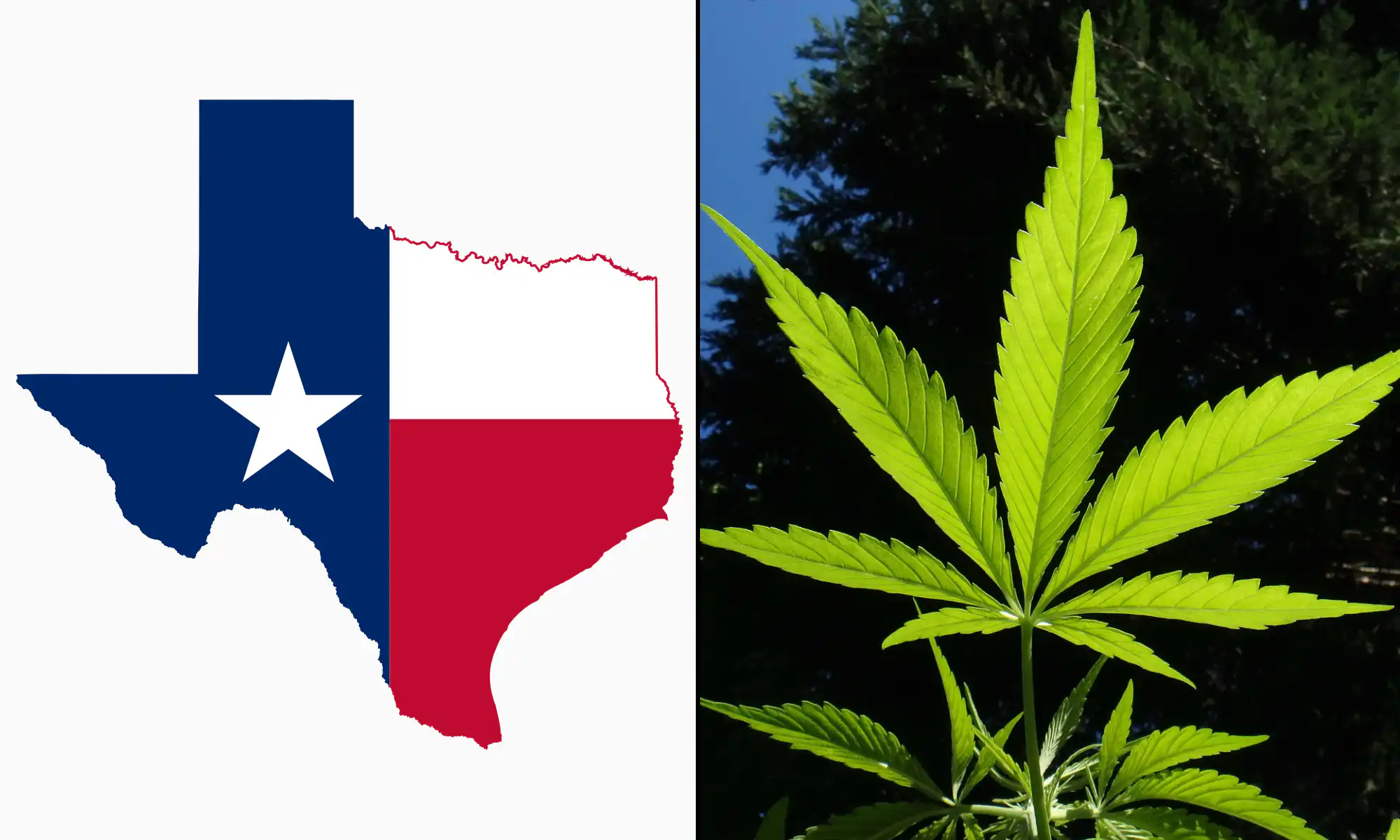
“Texas has a unique opportunity to show the rest of the nation how to unite medical cannabis, adult-use legalization and consumable hemp under one safe and smart regulatory roof.”
By Adam Smith, Marijuana Policy Project
More than half of Americans now live in “legal” states, yet cannabis remains strictly prohibited in Texas under some of the most draconian penalties in the nation.
But this fact distorts reality.
Just across the state line into New Mexico, you’ll find some of the busiest adult-use dispensaries in the country, their parking lots filled with Texas license plates. And driving back into the Lone Star State, you’ll see storefronts that have been legally selling hemp-derived THC products for years, and you’ll drive through cities where voters overwhelmingly passed local decriminalization ordinances.
For years, opponents such as former Lt. Gov. Dan Patrick (R) and state Sen. Charles Perry (R) legislated as if the question before them was whether or not cannabis should exist in the state. But that’s not real either. Cannabis exists in Texas, and it has long been woven into Texas culture, as icons like Willie Nelson have reminded us for decades.
The real question before lawmakers isn’t whether cannabis should exist (it does), but whether the state will regulate it to protect public safety and capture millions in revenue, or cling to a failed policy of prohibition, arresting tens of thousands of otherwise law-abiding Texans every year while failing to keep our kids and communities safe.
And make no mistake, regulating cannabis, rather than prohibiting it, is all about safety.
State after state that has legalized and regulated cannabis for adults has seen significant declines in youth cannabis use. Massachusetts, Missouri, Michigan and Colorado have all seen teen use cut by more than half since legalization. Arizona has seen a 60 percent decline, and teen cannabis use in California has been cut by two-thirds.
Every one of those states has accomplished this while reducing arrests of non-violent cannabis users by at least 85 percent. And in every one of those states, the cannabis products available for sale are properly labeled and have been tested for pesticides and dangerous impurities.
It is a telling sign that Massachusetts voters, after legalizing cannabis by a 53 percent to 47 percent margin in 2016, overwhelmingly rejected a 2026 ballot initiative that would have ended their adult-use market by a 76 percent to 24 percent margin—the most lopsided defeat of any statewide ballot initiative in the country. And while Massachusetts isn’t Texas, parents there, just as they do everywhere, don’t want their children smoking weed. After seeing the difference between prohibition and regulation, with teen use there down 50 percent, they voted for safety.
Now the political landscape in Austin has changed. Democrats will hold a majority in the House of Representatives, the governor’s mansion, and the lieutenant governor’s office. And it’s important to note that many of the newly elected leaders ran specifically on solving this problem through smart regulation. This presents a new opportunity and a potential bipartisan path forward.
While the Texas Senate remains in Republican hands, 15 seats will be on the ballot in 2028, including four districts where recent House results signaled major political shifts. With 2027 being the only legislative session before voters return to the polls, Senate Republicans face a straightforward choice: work across the aisle to modernize Texas cannabis laws, or risk losing the chamber in 2028 by clinging to policies voters have already rejected.
Texas voters have already shown they will hold leaders accountable for obstructing reform.
Patrick, the outgoing lieutenant governor, spent years burning political capital to block even modest hemp regulations, famously daring voters to replace him if they disagreed. In November, they took him up on it. Outgoing Attorney General Ken Paxton (R) likewise paid a political price after using state power to sue Texas cities whose residents voted for local decriminalization. Meanwhile, during the contentious Senate Bill 3 hearings, Perry, the state senator, suggested Texas could simply build more jails if banning hemp products drove arrests back up. Meanwhile, the state’s restrictive Compassionate Use Program was expanded only grudgingly.
Texans have already had access to the hemp-derived THC market for several years. And while that market may be going away, and we all know that it has been under-regulated, even limited legal access to cannabinoids led to a drop in annual cannabis arrests in Texas from roughly 65,000 to under 30,000. Rolling back that progress isn’t just unpopular. It is bad governance. Texans made it clear they have no appetite for returning to mass incarceration.
Keeping regulated cannabis behind the counter, tested, properly-labeled and age-gated in the hands of licensees who are held accountable under the law simply works better than prohibition for our kids and communities, and for our friends and family members who use cannabis.
Finally, legalization is an economic imperative.
Right now, Texas taxpayers shoulder 100 percent of the enforcement and judicial costs of prohibition while neighboring states collect the tax revenue from legal sales. Worse, delaying legalization puts homegrown Texas businesses at a severe disadvantage. If lawmakers wait until federal prohibition ends and interstate commerce opens up, out-of-state corporate giants will flood the market.
Acting in 2027 allows Texas to fold its existing hemp entrepreneurs, legacy growers, and Compassionate Use Program into a single, well-regulated framework—keeping jobs, ownership, and tax dollars in the state.
Texas has a unique opportunity to show the rest of the nation how to unite medical cannabis, adult-use legalization and consumable hemp under one safe and smart regulatory roof. Voters gave legislators a mandate for change, and it is past time to stop fighting reality and get it done.
Adam Smith is executive director of the Marijuana Policy Project.
Image element courtesy of AnonMoos.