Politics
South Carolina Health Officials Promise To Address Senator’s Medical Marijuana Access Concerns Within 30 Days

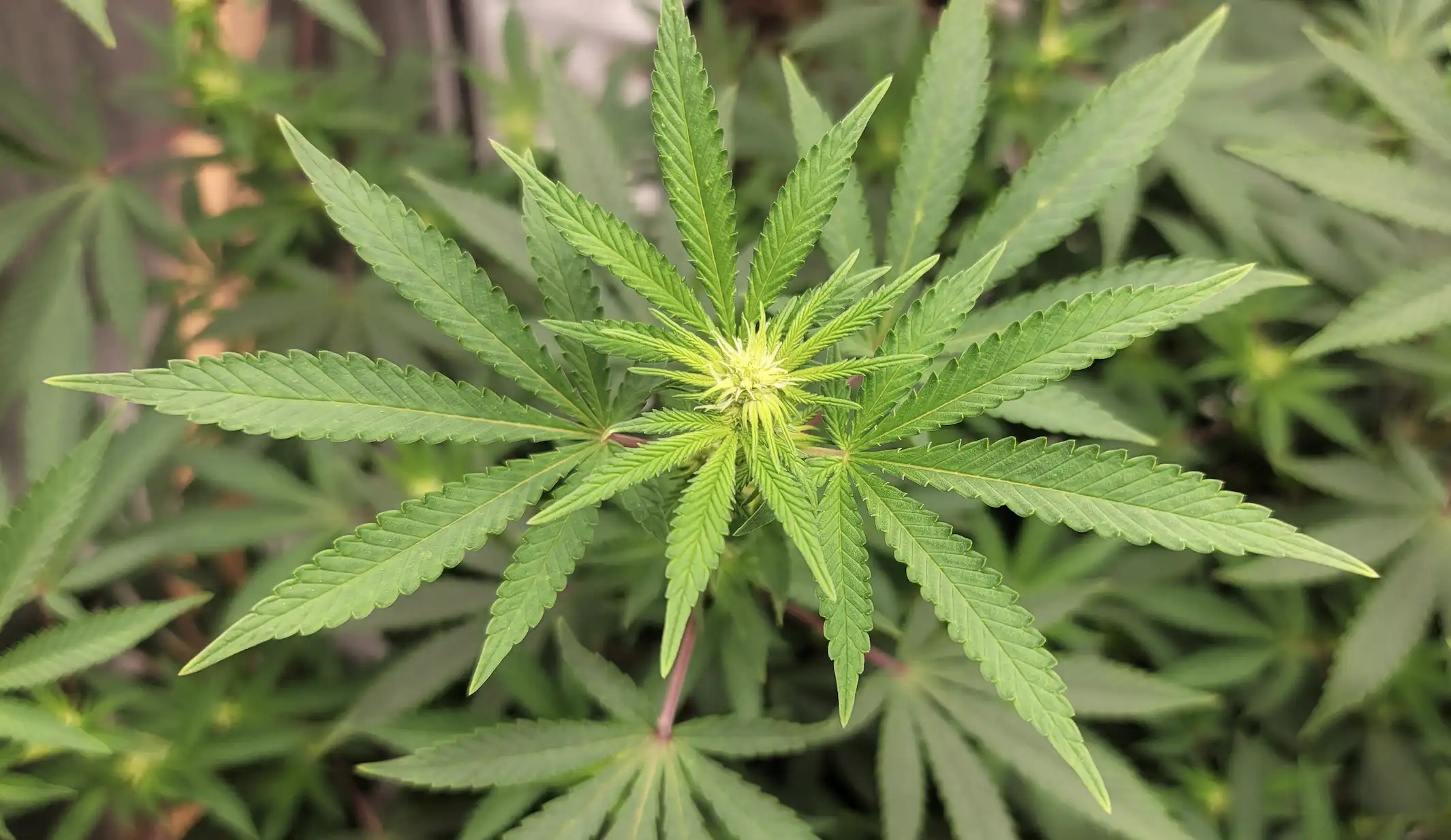
South Carolina officials are pledging to respond to a GOP senator’s letter that claimed they are out of compliance with state law by not taking steps to provide for legal access to medical marijuana in line with the Trump administration’s federal rescheduling move.
The lawmaker, who has sponsored bills that have passed the state Senate but stalled in the House of Representatives, told Marijuana Moment this week that he will file the legislation again in the 2027 session.
Last week, Sen. Tom Davis (R) sent a letter alleging that the Department of Public Health (DPH) is “violating” two specific statutes with its lack of action.
On Thursday, Brannon Traxler, acting director of DPH, told Davis that his department will be sending a response to the senator’s letter on his requested timeline.
“Thank you for reaching out, and I acknowledge receipt of your letter,” Traxler wrote in an email shared with Marijuana Moment. “We will respond within thirty days per your request. In the interim, please don’t hesitate to reach out if I can help with anything else.”
Davis told Marijuana Moment that he appreciates the acting director’s pledge to reply in a timely fashion and that he will “take her at her word.”
“Over the next few weeks I want to see the Department do what state law already requires: issue the rescheduling order, appoint the advisory board and get the therapeutic research program running,” he said. “Patients have waited long enough.”
Davis’s letter claimed that DPH is out of compliance with a South Carolina statute says that “if a substance is added, deleted, or rescheduled as a controlled substance pursuant to federal law or regulation,” officials then have 30 days to reschedule the drug in the “appropriate schedule” in the state.
He also cited a separate law, the South Carolina Controlled Substances Therapeutic Research Act, passed in 1980, that sets up a program through which certain patients could obtain medical cannabis “through whatever means” the state health commissioner “deems most appropriate consistent with federal law.” Under that law, a patient qualification review advisory board is charged with certifying individual patients for legal access to marijuana.
“As…the author and primary sponsor, for the past eleven years, of medical-cannabis legislation that has twice passed the South Carolina Senate, I write to insist that the Department of Public Health comply with two state statutes it is now violating,” Davis wrote in the letter.
Neither of the two key state laws cited by the senator “gives the Department any discretion,” and its role is merely “ministerial,” he said in the letter.
“Whether South Carolina should depart from the federal scheduling decision is for the General Assembly alone to decide,” Davis argued, pointing out that the legally mandated deadline for state officials to act passed almost six months ago.
He also pointed out that DPH did act under the same state scheduling trigger law to strictly categorize the cannabinoid hexahydrocannabinol (HHC) to be a Schedule I illegal substance in line with a recent stance taken by the federal Drug Enforcement Administration (DEA).
“The Department cannot apply the statute when federal action tightens control of a substance and ignore it when federal action eases control,” the senator said.
Davis is demanding that DPH issue an order rescheduling marijuana and its extracts that is “in substance identical with the federal order” on rescheduling, as well as implement a therapeutic research program by appointing an advisory board and adopting procedures to certify patients.
He is also asking officials to answer a series of questions about their lack of compliance with the two state laws to date and their plans for moving ahead.
Kevin Caldwell, senior manager of legislative affairs for the Marijuana Policy Project, told Marijuana Moment that his organization “is encouraged that the state recognizes the importance of this issue and is working on a response to Sen. Davis about its statutory responsibilities.”
“We look forward to hearing what the state puts forward,” he said.
Davis said earlier this year that “medical marijuana is now legal in South Carolina” given the state’s trigger laws and the federal cannabis rescheduling move.
“Because the department’s continued inaction raises questions of statutory compliance that should be resolved with authority, I am copying Attorney General Alan Wilson on this letter and requesting a formal opinion from his office on the matters it raises,” Davis wrote in the new letter.
Wilson, who was elected to be the state’s next governor in this month’s midterm elections, said during a primary debate earlier this year that he “would be open” to legalizing medical cannabis.
“I have met with so many veterans who are suffering from PTSD, people that I’ve actually served with in Iraq. I have met with people suffering with seizures, people suffering with chronic illness, people suffering, people who are terminal,” Wilson said. “And if there is a possibility that we could derive some use from the medical application of that, then South Carolina should follow suit with what the federal government is doing, and have clearly defined laws and regulations that prevent it from being abused. I would be open to the medical use of it.”
Davis told Marijuana Moment this week that in the 2027 legislation session he will “prefile my medical cannabis bill again.”
“It has passed the Senate twice, and I’m encouraged that Governor-elect Wilson has said he’s open to medical cannabis,” he said. “With his leadership and a willing House, I believe this is the year South Carolina finally gets a responsible, tightly regulated medical program on the books.”
Incumbent Gov. Henry McMaster’s (R) office confirmed to local media earlier this year that South Carolina law will “require the State to mirror the new federal order” on marijuana rescheduling.
Last year, South Carolina’s governor said there’s a “compelling” case to be made for legalizing medical marijuana in the state, despite reservations from law enforcement.
“I think what we need to do is study it very carefully, get as much information as we can and try to do the right thing,” he said.
Versions of Davis’s medical cannabis legalization measure passed the Senate in 2022 and 2024 but were blocked in the House. He filed a new version for the 2025 session, but it did not advance.
—
Marijuana Moment is tracking hundreds of cannabis, psychedelics and drug policy bills in state legislatures and Congress this year. Patreon supporters pledging at least $25/month get access to our interactive maps, charts and hearing calendar so they don’t miss any developments.
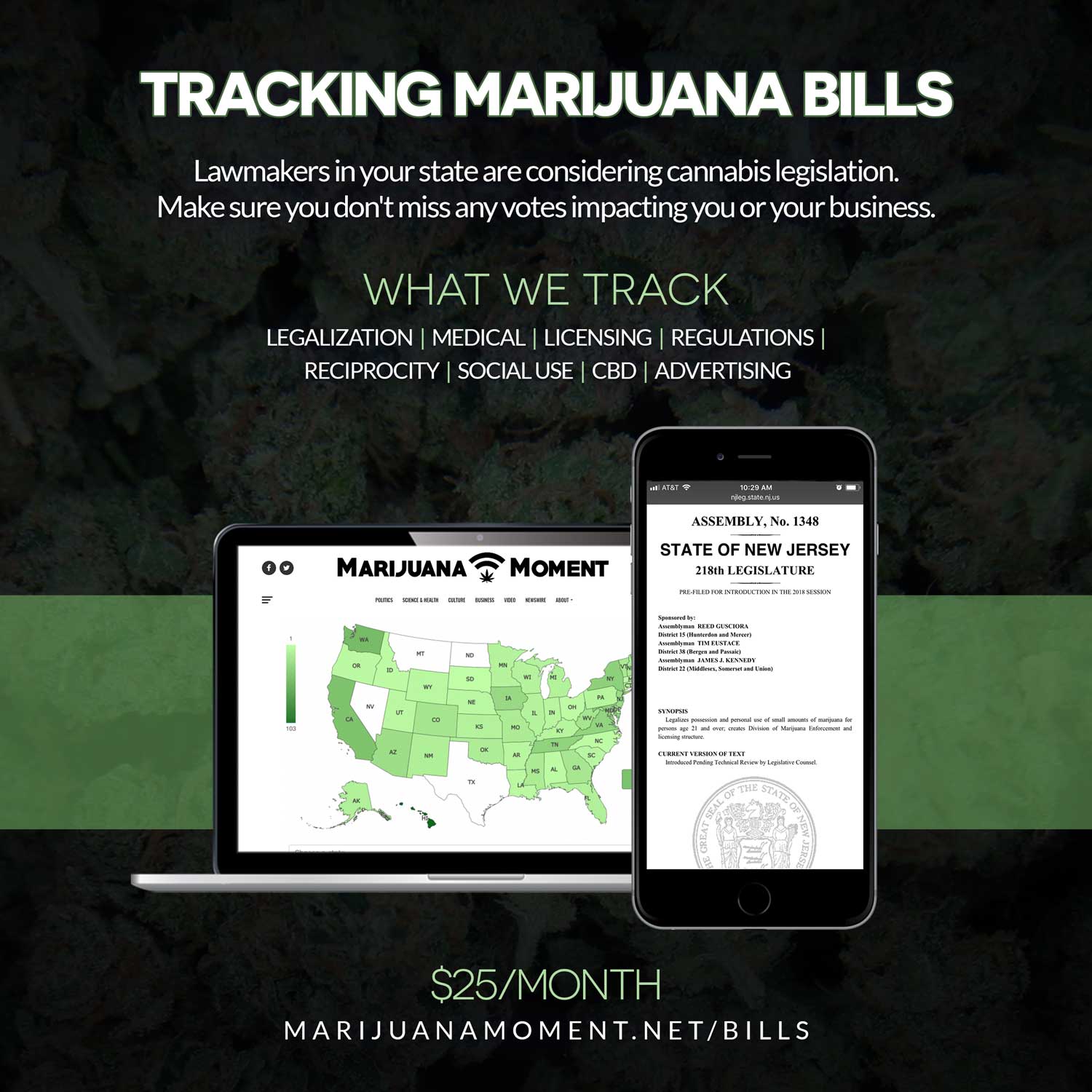
Learn more about our marijuana bill tracker and become a supporter on Patreon to get access.
—
As introduced, the most recent version of the legislation would allow patients to access medical marijuana from “therapeutic cannabis pharmacies,” which would be licensed by the state Board of Pharmacy. Individuals would need to receive a doctor’s recommendation for the treatment of certain qualifying conditions, which include several specific ailments as well as terminal illnesses and chronic diseases where opioids are the standard of care.
Among the public, medical marijuana legalization enjoys overwhelming bipartisan support in South Carolina, with a 2024 poll finding that 93 percent of Democrats, 74 percent of Republicans and 84 percent of independents back the reform.
The lawmaker has called the stance of his own party, particularly as it concerns medical marijuana, “an intellectually lazy position that doesn’t even try to present medical facts as they currently exist.”
Photo courtesy of Mike Latimer.