Politics
South Carolina Patients Could Get Medical Marijuana Access Under State Laws Triggered By Federal Rescheduling

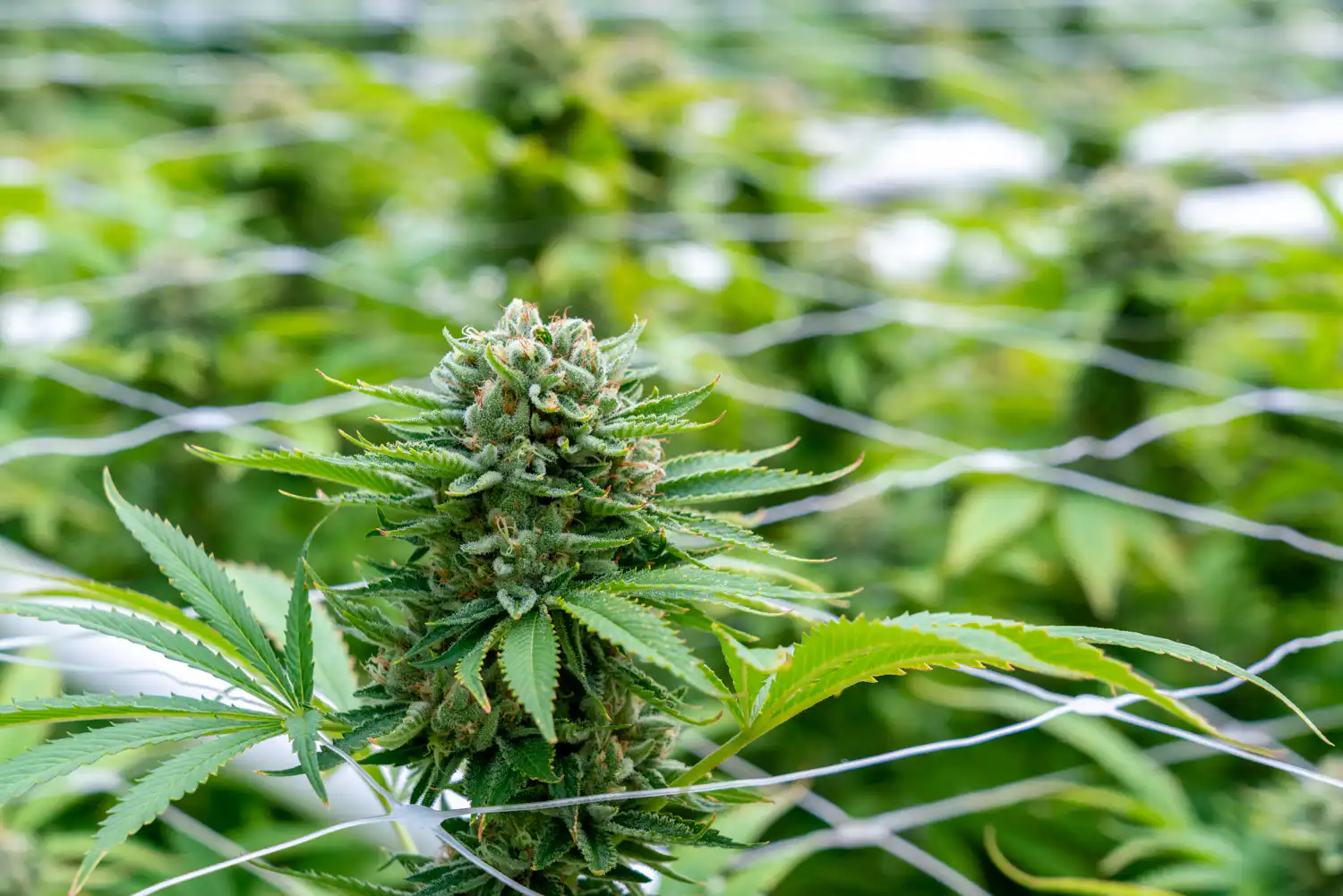
South Carolina patients could get legal access to medical marijuana under a little-known state law that could be triggered by the Trump administration’s federal cannabis rescheduling move.
State Sen. Tom Davis (R), who has sponsored bills to legalize medical cannabis over a number of sessions, told The Post and Courier that the federal action kicks off “a chain of legal consequences in South Carolina that the General Assembly can no longer ignore.”
Specifically, an existing South Carolina law says that “if a substance is added, deleted, or rescheduled as a controlled substance pursuant to federal law or regulation,” officials then have 30 days to reschedule the drug in the “appropriate schedule” under state law.
A separate law, the South Carolina Controlled Substances Therapeutic Research Act, passed in 1980, sets up a program through with cancer and glaucoma patients could obtain medical cannabis “through whatever means” the state health commissioner “deems most appropriate consistent with federal law.”
Under the legislation, a Review Advisory Board could “include other disease groups for participation in the controlled substances therapeutic research program after pertinent medical data have been presented by a practitioner to both the Commissioner and the board and after necessary approval is received by the appropriate federal agencies.”
Gov. Henry McMaster’s (R) office confirmed to The Post and Courier that South Carolina law will “require the State to mirror the new federal order” on marijuana rescheduling.
Separately, the South Carolina Department of Public Health told the newspaper that officials are “aware of the proposed rescheduling of medical marijuana from Schedule I to Schedule III under the Controlled Substances Act” and are “assessing the impacts to DPH and the state of South Carolina.”
Davis, the senator who has sponsored medical cannabis legalization legislation, said his bill “provides exactly the model we need: physician authorization on the front end, licensed cultivation and processing in the middle, and pharmacist dispensing on the back end—a patient-centered framework that protects patients, ensures product safety, and provides the regulatory clarity that both the public and the healthcare community deserve.”
Last year, South Carolina’s governor said there’s a “compelling” case to be made for legalizing medical marijuana in the state, despite reservations from law enforcement.
McMaster said at the time that he thinks supporters of the reform have a “very compelling situation,” despite the fact that “law enforcement, almost end-to-end, still have grave concerns.”
“I think what we need to do is study it very carefully, get as much information as we can and try to do the right thing,” he said.
The office of House Speaker Murrell Smith (R) tempered expectations, however, referencing what he viewed as insufficient support within the GOP caucus to advance the reform through his chamber.
An earlier version of Davis’s cannabis measure passed the Senate in the 2024 session but was never taken up in the House. He filed a new version for the 2025 session, but it did not advance.
“It requires doctors in patient authorization, doctor supervision,” Davis said at the time. “It requires pharmacists to dispense it. It is a very conservative bill, because that’s what South Carolinians want.”
As introduced, the legislation would allow patients to access medical marijuana from “therapeutic cannabis pharmacies,” which would be licensed by the state Board of Pharmacy. Individuals would need to receive a doctor’s recommendation for the treatment of certain qualifying conditions, which include several specific ailments as well as terminal illnesses and chronic diseases where opioids are the standard of care.
Among the public, medical marijuana legalization enjoys overwhelming bipartisan support in the state, with a 2024 poll finding that 93 percent of Democrats, 74 percent of Republicans and 84 percent of independents back the reform.
The state Senate passed an earlier version of the legislation in 2022, but it stalled in the opposite body over a procedural hiccup.
—
Marijuana Moment is tracking hundreds of cannabis, psychedelics and drug policy bills in state legislatures and Congress this year. Patreon supporters pledging at least $25/month get access to our interactive maps, charts and hearing calendar so they don’t miss any developments.
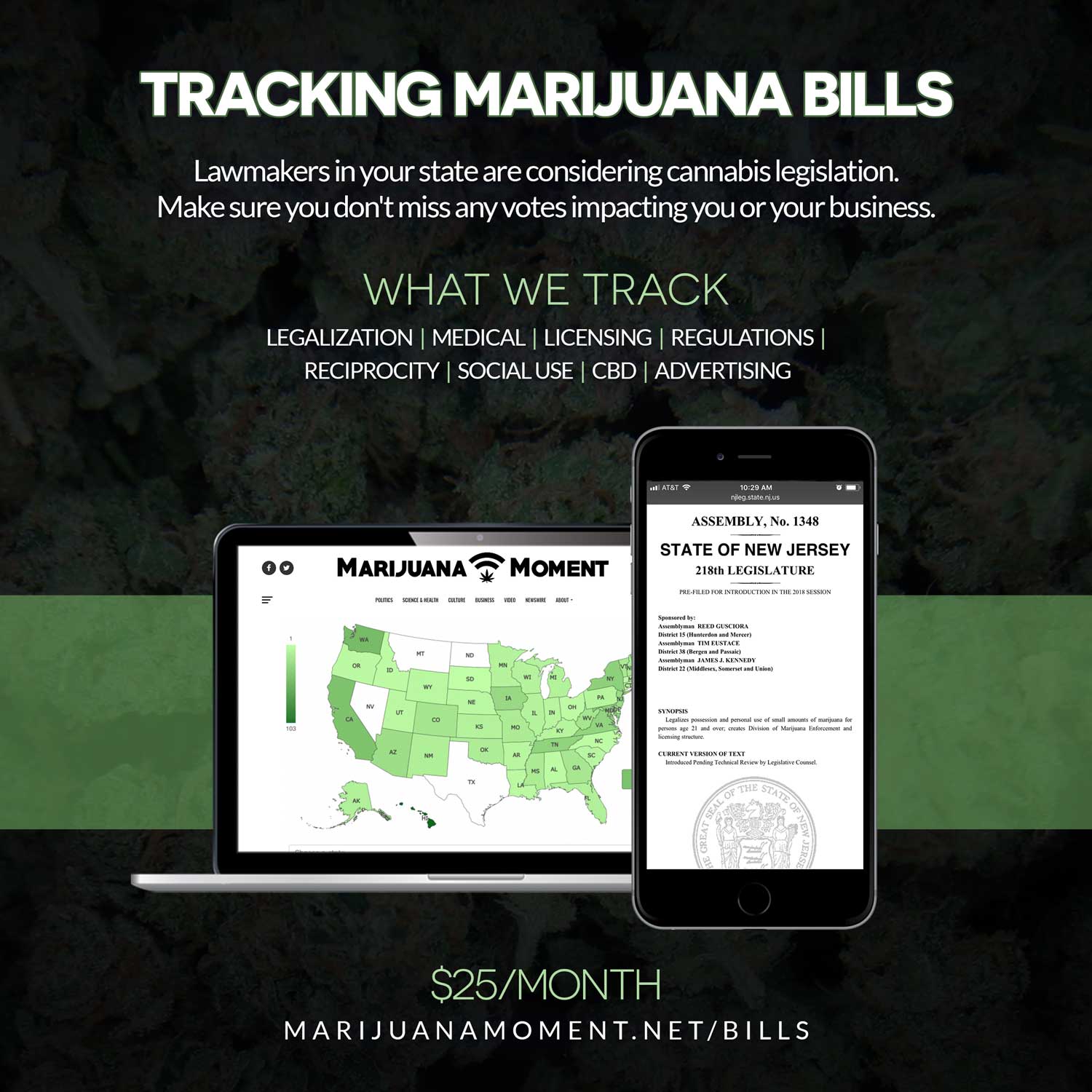
Learn more about our marijuana bill tracker and become a supporter on Patreon to get access.
—
When senators began debating the medical marijuana legislation in 2024, the body adopted an amendment that clarifies the bill does not require landlords or people who control property to allow vaporization of cannabis products.
As debate on the legislation continued, members clashed over whether the current version of the legislation contains major differences from an earlier iteration that the body passed in 2022.
Certain lawmakers have also raised concerns that medical cannabis legalization would lead to broader reform to allow adult-use marijuana, that it could put pharmacists with roles in dispensing cannabis in jeopardy and that federal law could preempt the state’s program, among other worries.
After Davis’s Senate-passed medical cannabis bill was blocked in the House in 2022, he tried another avenue for the reform proposal, but that similarly failed on procedural grounds.
The lawmaker has called the stance of his own party, particularly as it concerns medical marijuana, “an intellectually lazy position that doesn’t even try to present medical facts as they currently exist.”