Politics
GOP Senators Want Investigation On Chinese Role In U.S. Marijuana And Hemp Industries

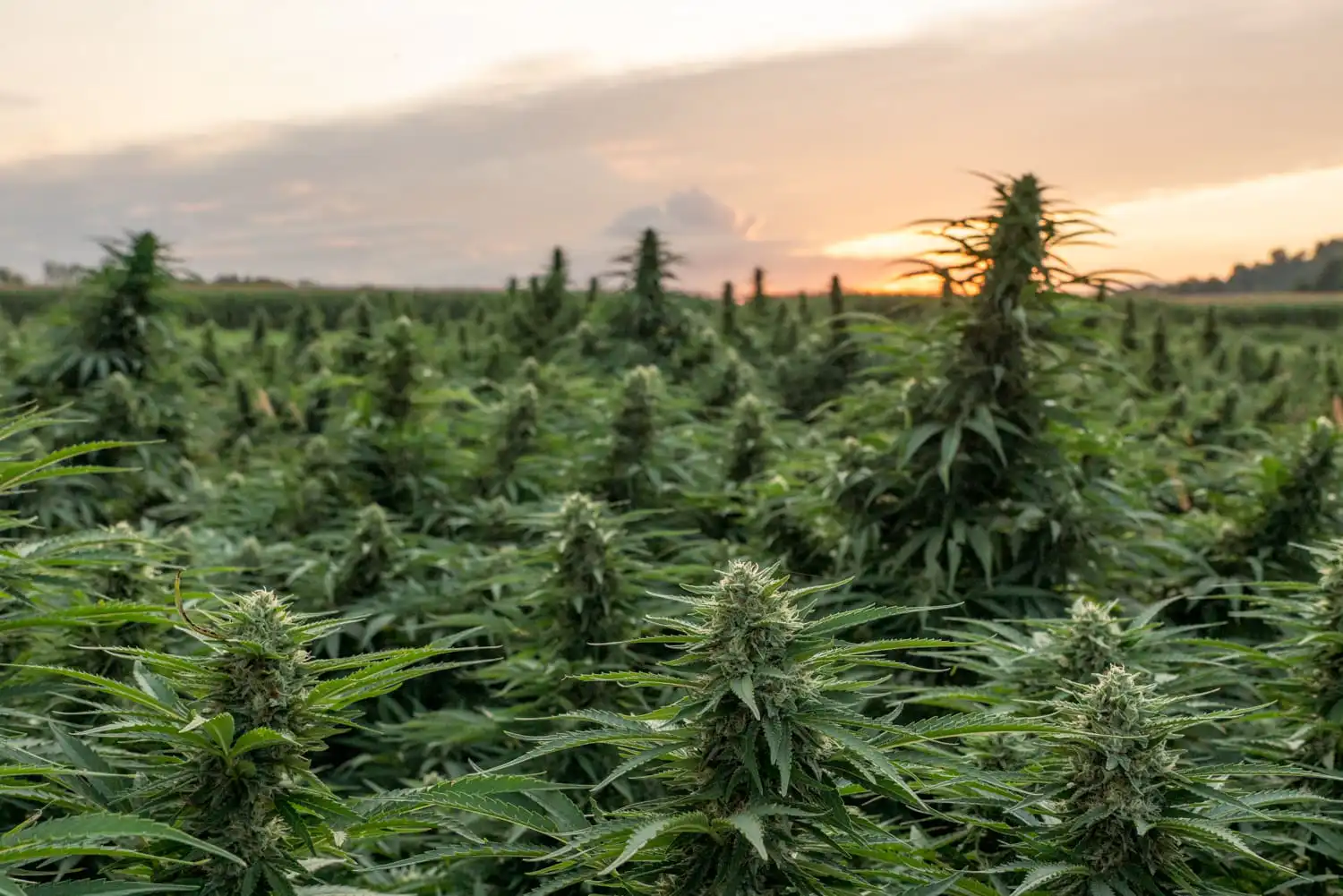
A group of Republican senators are pressing the attorney general to “investigate the growing role of Chinese transnational criminal organizations in America’s cannabis and intoxicating-hemp markets.”
The lawmakers, led by Sen. Tom Cotton (R-AR), sent a letter to Attorney General Todd Blanche on Wednesday expressing concerns that criminal networks linked to China are “exploiting vulnerabilities in federal law to operate expansive illicit drug enterprises that threaten our communities and national security.”
Citing a Drug Enforcement Administration (DEA) report that found that Chinese criminal organizations “dominate marijuana cultivation and distribution in the United States, especially in states with legal cannabis markets,” the GOP senators are asking the Department of Justice to “fully investigate these criminal networks, including their financing, land usage, chemical imports, and any connections to the Chinese Communist Party.”
Chinese-linked criminal organizations are purchasing and leasing land on U.S. soil to conduct “illegal grow operations, traffic foreign workers, and use toxic pesticides and fertilizers shipped from China, including chemicals banned in the United States,” the lawmakers wrote.
The letter, which was also signed by Sens. Ted Budd (R-NC), Pete Ricketts (R-NE) and Susan Collins (R-ME), notes the planned federal recriminalization of hemp THC products that is currently set to mostly take effect in December after Congress and President Donald Trump recently approved legislation to delay portions of the ban from its original November 12 effective date.
“Congress has recognized the need to address vulnerabilities in this market, including closing gaps in the 2018 Farm Bill that allowed unregulated intoxicating hemp and THC products to proliferate,” they wrote. “Leaving the loophole unaddressed would give these networks additional time to flood American commerce with synthetic products.”
Continuing to allow production and sales of hemp THC products would allow Chinese criminal organizations to “further entrench their operations on American soil, fund their enterprises with illicit revenue, and expose consumers to unregulated, dangerous synthetic products masquerading as legal hemp,” the senators alleged.
Hemp derivatives with less than 0.3 percent delta-9 THC on a dry-weight basis were federally legalized under the 2018 Farm Bill that Trump signed during his first term in office. But late last year, the president signed new legislation containing provisions that redefined hemp to make it so only products with 0.4 milligrams of total THC per container would remain legal after November 12.
Now, however, under provisions included in a funding bill Trump signed last month, the effective date of the ban for most products is being pushed back to December 11 to give lawmakers more time to craft regulations for hemp derivatives. There is a carve-out, however, to allow the recriminalization on November 12 of synthetic cannabinoids “that are not capable of being naturally produced by a Cannabis sativa L. plant.”
While the four Republican senators who signed the new letter to Blanche support outright recriminalizing hemp THC products, other members of Congress are weighing how the crop’s derivatives should be regulated as an alternative to prohibition.
Several Republican lawmakers recently spoke to Marijuana Moment about the kinds of rules they would like to see enacted to keep hemp THC products legal.
A number of lawmakers from both chambers and both parties have filed or are circulating a growing number of bills to prevent the scheduled federal recriminalization of hemp THC drinks and other products.
For example, Reps. Beth Van Duyne (R-TX) and Greg Landsman (D-OH) filed a bill to keep hemp THC drinks legal while taxing and regulating them like alcohol.
Rep. James Comer (R-KY), who chairs the House Oversight and Government Reform Committee, is circulating legislation that would delay a planned federal ban on hemp THC products and institute some regulations—including packaging requirements, testing rules and age limits.
Separately, Rep. Andy Barr (R-KY), filed a lengthier proposal to prevent the federal recriminalization of hemp THC products and put in place a number of regulations for manufacturing, labeling, sales and taxation of hemp-derived products, including an age limit of 21.
Trump and White House officials repeatedly pressed Congress to delay, alter or reverse the ban in recent months.
In a letter to House Speaker Mike Johnson (R-LA) in June, for example, White House Office of Management and Budget (OMB) Director Russell Vought said the Trump administration wants lawmakers to “ensure the fair treatment of hemp products”—specifically citing Barr’s earlier amendment to keep many hemp products legal while adding regulations and taxes.
The administration “welcomes the opportunity to work with the Congress to, at a minimum, update the statutory definition of final hemp-derived cannabinoid products to allow Americans to benefit from access to appropriate full-spectrum CBD products,” OMB separately said in June, “while preserving the Congress’s intent to restrict the sale of products that pose serious health risks.”
Also in April, the president himself urged congressional lawmakers to again redefine hemp to avoid recriminalization of full-spectrum CBD products.
“I am calling on Congress to update the Law to ensure that Americans can continue to access the full-spectrum CBD products they have come to rely on, and that help them, while preserving Congress’s intent to restrict the sale of products that pose Health risks,” Trump said in a Truth Social post.
“We must get this done RIGHT and FAST, especially for those who saw that CBD helps them,” he said. “Plus, I am told it will also help our GREAT FARMERS, who we love, and will always be there for.”