Politics
Marijuana Has ‘Horrific Health Risks’ And No Medical Value, Former Trump Attorney General Claims

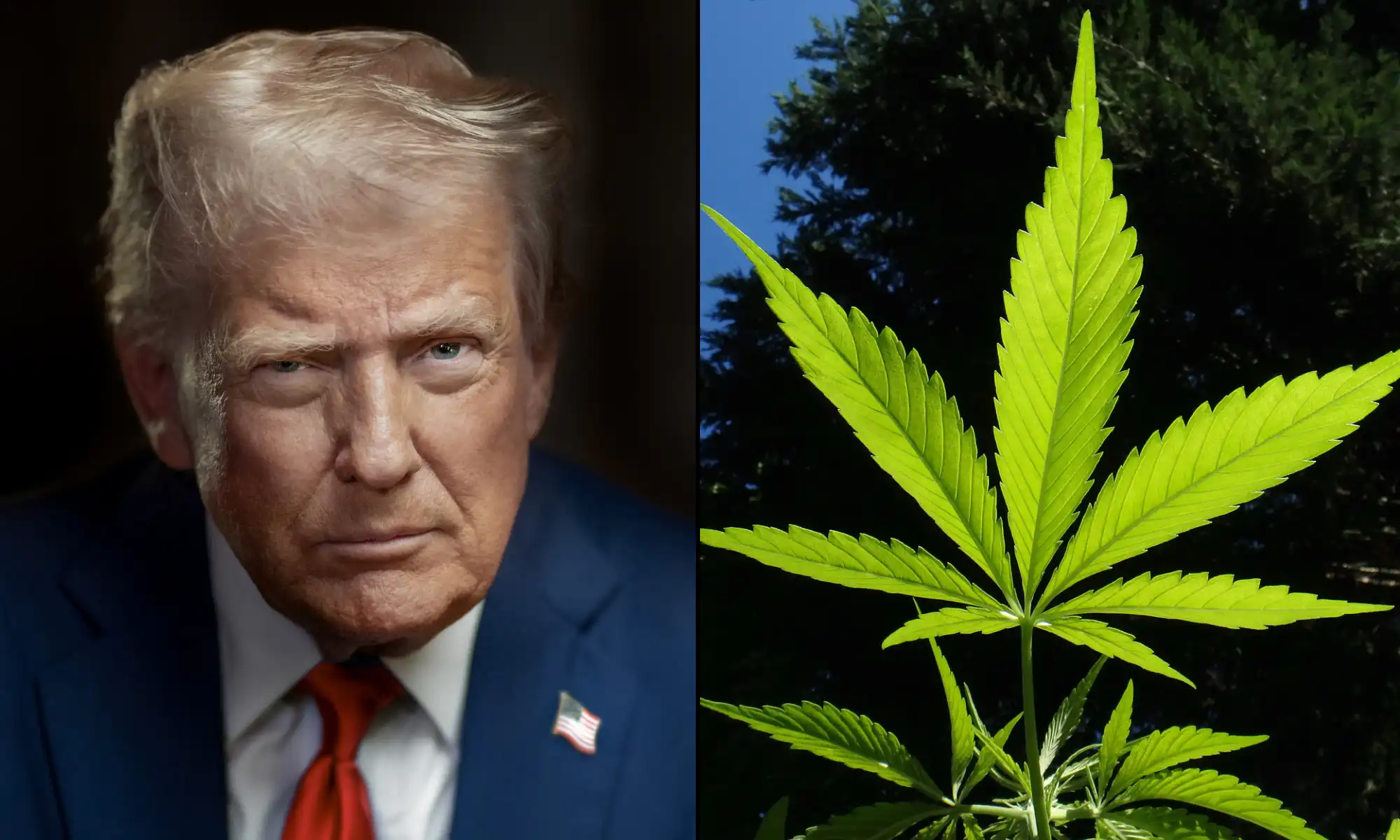
A former U.S. attorney general who served during President Donald Trump’s first term says marijuana “poses horrific health risks,” has no medical value and should not be rescheduled under federal law.
“Rescheduling marijuana would create the false impression that it is safe, would reduce penalties for peddling the drug illegally and would give those who purvey it legally a huge tax windfall,” William Barr wrote in an op-ed for The Washington Post on Wednesday that was coauthored by Kevin Sabet, CEO of the prohibitionist organization Smart Approaches to Marijuana. “That would be a disaster.”
The op-ed comes as the Trump administration is moving ahead with cannabis rescheduling.
Under an order issued by U.S. Acting Attorney General Todd Blanche in April, marijuana products regulated by a state medical cannabis license immediately moved from Schedule I of the Controlled Substances Act (CSA) to Schedule III, as did any marijuana products that are approved by the Food and Drug Administration (FDA).
An administrative hearing is considering broader marijuana rescheduling, with Drug Enforcement Administration (DEA) charged with defending the cannabis reform highlighting testimony on marijuana’s medical benefits and its relative safety compared to other substances such as alcohol and opioids. That included appearances from a Food and Drug Administration (FDA) scientist and a medical doctor from New Hampshire who detailed how medical marijuana provides relief to pain patients and can serve as an alternative to opioids.
But Sabet and Barr, who was attorney general under Trump from 2019-2020, argued that “evidence presented at the hearing utterly failed to support rescheduling marijuana” and instead “confirmed what decades of data have shown: Raw marijuana has no scientifically established medical value and carries a high risk of abuse.”
After parties in the hearing filed their closing briefs, the DEA administrative law judge overseeing the proceedings will issue a recommendation on rescheduling, and the agency’s administrator will then make a final determination.
DEA Administrator Terrance Cole invited only organizations and people who oppose marijuana reform to join the hearing as designated participants—telling supporters that they do not meet the definition of an “interested person” to participate because they are not “adversely affected or aggrieved by any rule or proposed rule issuable.”
—
Marijuana Moment is tracking hundreds of cannabis, psychedelics and drug policy bills in state legislatures and Congress this year. Patreon supporters pledging at least $25/month get access to our interactive maps, charts and hearing calendar so they don’t miss any developments.

Learn more about our marijuana bill tracker and become a supporter on Patreon to get access.
—
The new op-ed from the former attorney general says the “stakes couldn’t be higher,” arguing that “today’s marijuana is more dangerous than ever before” and is “addictive,” rattling off a list of alleged harms to mental and physical health.
“These health consequences are the predictable result of a highly potent, addictive drug being normalized, commercialized and marketed as medicine,” Barr and Sabet claim. “It would be one thing if marijuana had medical value. But there is no credible evidence that marijuana is effective treatment for any medical condition, notwithstanding the millions of dollars spent trying to prove otherwise.”
The Department of Health and Human Services (HHS) in 2023 published a 252-analysis concluding that marijuana does have accepted medical value and should be rescheduled.
The new opposition piece also says that “rescheduling would unlock enormous revenue for the corporate marijuana industry by putting the drug into a category not covered by a long-standing restriction on federal tax deductions,” referring to a law known as 280E that blocks sellers of Schedule I and II substances from writing business expenses off their taxes.
“That would, in turn, allow the industry to spend even more on advertising and marketing to young people,” Barr and Sabet wrote, arguing that “those who would loose this dragon on society are laying the groundwork for another Big Tobacco.”
Sabet’s organization, SAM, is one of several parties challenging the marijuana rescheduling process with several lawsuits that have been consolidated by a federal appeals court. Those separate pieces of litigation against the cannabis reform have been filed by state attorneys general, marijuana legalization opponents and a cannabis-focused biopharmaceutical corporation.
The suit from SAM was signed by attorneys at Torridon Law PLLC, where Barr is a partner.
The group had announced in January that it was hiring Barr’s firm to legally combat cannabis rescheduling after Tump signed an executive order directing officials to complete the process expeditiously.
During his time in office under the first Trump administration, Barr was accused by a Justice Department official of directing improper antitrust investigations into multiple cannabis company mergers—accounting for nearly one-third of the division’s cases in 2019.
Several Democratic members of Congress filed a resolution the following calling for an inquiry into Barr’s possible impeachment, saying he “abused the power of his office” to improperly investigate marijuana businesses while allegedly engaging in other unlawful conduct.