Politics
Kentucky Governor Slams GOP Lawmaker For ‘Lack Of Humanity’ Over Push For Medical Marijuana Prosecutions

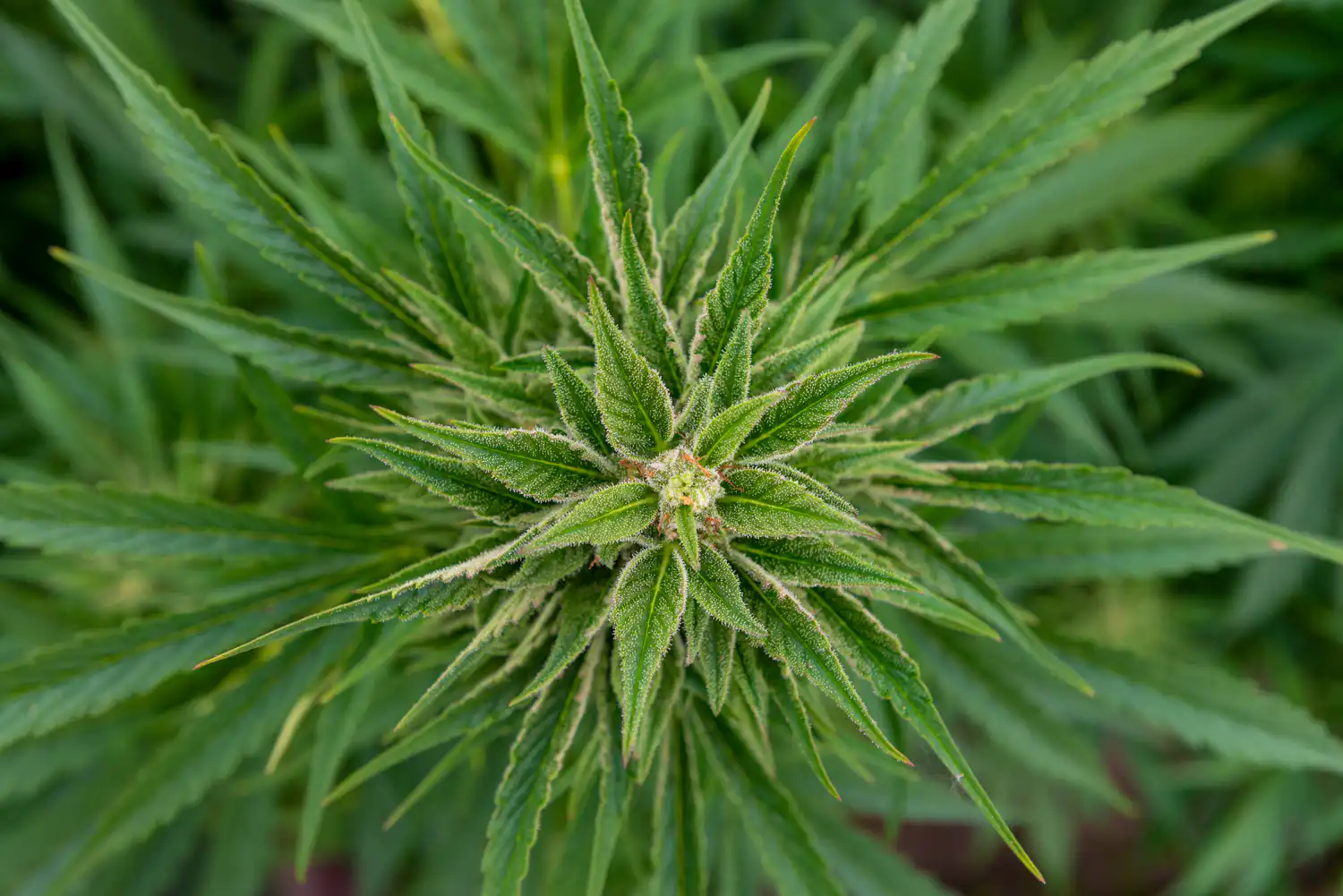
Kentucky’s Democratic governor is calling out a top GOP lawmaker for having a “complete lack of humanity” after he suggested that state law enforcement officials should prosecute people who act in accordance with a recent executive order to expand medical cannabis access.
Gov. Andy Beshear (D) signed the order last week to broaden the list of health conditions that make patients eligible to legally obtain medical cannabis.
Days later, House Majority Whip Jason Nemes (R) asked Attorney General Russell Coleman (R) to ensure that state agencies “not cooperate” with the governor’s marijuana directive, which he called “unlawful.”
“Any organization, any licensee, that participates in this unlawful expansion should be prosecuted,” Nemes said during a legislative committee hearing. “This is not the way forward.”
On Thursday, Beshear said signing the cannabis order “was the right thing to do, and it was needed, because in the law they wrote in the name of some medical conditions, but then they wrote some symptoms like pain and nausea, all of which clearly are symptoms” of the specifically named conditions.
After the legislature declined to take him up on a suggestion to expand the qualifying condition list this session, Beshear used his authority to make it so patients with 15 additional health disorders—including Parkinson’s disease, HIV/AIDS, sickle cell anemia, fibromyalgia, arthritis and glaucoma—can also be certified for medical marijuana access.
“It’s helping a lot of people, and I was really surprised to see an attack from one lawmaker who called on the attorney general to prosecute people dying of a terminal illness for securing medical cannabis,” the governor said on Thursday. “I mean, that’s a complete lack of humanity. It is really low. I mean, an individual with ALS, you want to prosecute? That is certainly not leadership, and even for that individual, is a new record low.”
“Sometimes we see people make these threats, and in this current culture, I think they think it’s masculinity, but masculinity isn’t being the bully on the playground. It’s being the person that stands between the bully and the person they’re picking on. That’s my job, to stand in between those bullies and these individuals that have these very serious conditions that are saying, ‘Just give me something that isn’t addictive, that isn’t opioids, and that can help me.’ That’s what I’m going to do as governor. These folks are in real pain, they need help, and they need this safe alternative. Politics should never get in the way of doing what’s right for Kentucky.”
Beshear also announced on Thursday that he was rescinding an earlier executive order he issued in 2022 through which he offered to provide pardons for any patients who got into trouble for possessing medical cannabis that they purchased at a legal dispensary in a neighboring state.
Kentucky’s medical marijuana program has now progressed to the point where cannabis is “readily available” to patients who need it, the governor said, and so the pardon order will expire as of July 1.
“This should give people plenty of time, the rest of the month, if you’re traveling out of state, to contact an eligible practitioner and apply for a medical cannabis card right here in Kentucky,” he said.
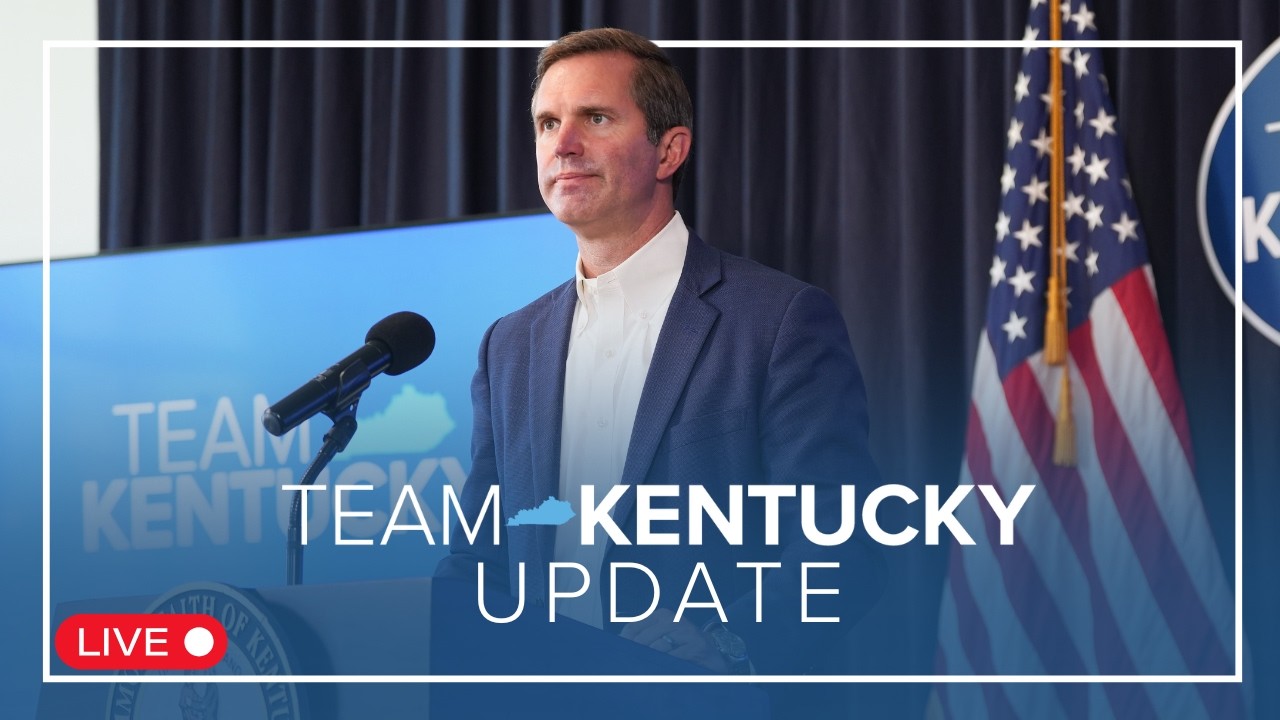
The more recent executive order on qualifying conditions is a follow up to a medical cannabis legalization law Beshear signed in 2023.
At a press conference last week to announce the new medical marijuana order, the governor also said he thinks “it’s time” for broader cannabis decriminalization.
He additionally cited the results of a recent study from researchers at the University of Kentucky that linked the availability of regulated medical marijuana dispensaries to lower rates of opioid overdoses.
Meanwhile, in addition to urging the legislature to go through the process of expanding the medical marijuana qualifying conditions list, Beshear in February also announced that cannabis gummies are available for purchase in the state’s licensed dispensaries.
The governor in January also said he’s “not satisfied” with the time it’s taken to launch the state’s medical marijuana program—but that he anticipates the pace of patient access would “pick up significantly” in 2026.
The state’s first medical cannabis dispensary opened in December of last year.
The governor, who has long championed cannabis reform, previewed the market launch that month, while making the case that medical marijuana will help thousands of patients find an alternative to opioids for pain management.
He made much of crossing a 15,000 patient registration milestone in late October, but that’s evidently grown meaningfully in recent months.
Beshear previously acknowledged that “it’s taken longer than we would have liked” to stand up the industry since he signed medical marijuana legalization into law in 2023.
In recognition of that delayed implementation, he signed an executive order to waive renewal fees for patients who get their cards so that they don’t get charged again before retailers open. And another order he signed providing protections for qualified patients who obtain medical marijuana outside of Kentucky “will stay in place.”
Beshear separately announced last year that the state had launched a new online directory that lets people see where medical cannabis dispensaries will be opening near them.
He emphasized that the state has been working to deliver access to patients “at the earliest possible date,” and that involved expediting the licensing process. Last year, the governor also ceremonially awarded the commonwealth’s first medical marijuana cards.
Meanwhile, the governor sent a letter to Kentucky’s congressional delegation last year, “urging them to take decisive action to protect the constitutional rights of our law abiding medical cannabis patients” by repealing the federal ban on gun possession by people who use marijuana.
That came after bipartisan Kentucky senators filed legislation that similarly called on the state’s federal representatives to take corrective action, which Beshear said he supports but would like to see even more sweeping change on the federal level.
The federal Bureau of Alcohol, Tobacco, Firearms and Explosives (ATF) warned Kentucky residents in 2024 that, if they choose to participate in the state’s medical marijuana program, they will be prohibited from buying or possessing firearms under federal law.
During the November 2024 election, Kentucky also saw more than 100 cities and counties approve local ordinances to allow medical cannabis businesses in their jurisdictions. The governor said the election results demonstrate that “the jury is no longer out” on the issue that is clearly supported by voters across partisan and geographical lines.