Science & Health
Another Study Debunks Lazy Stoner Stereotype, Linking Marijuana Use To An Increase In Some Kinds Of Exercise

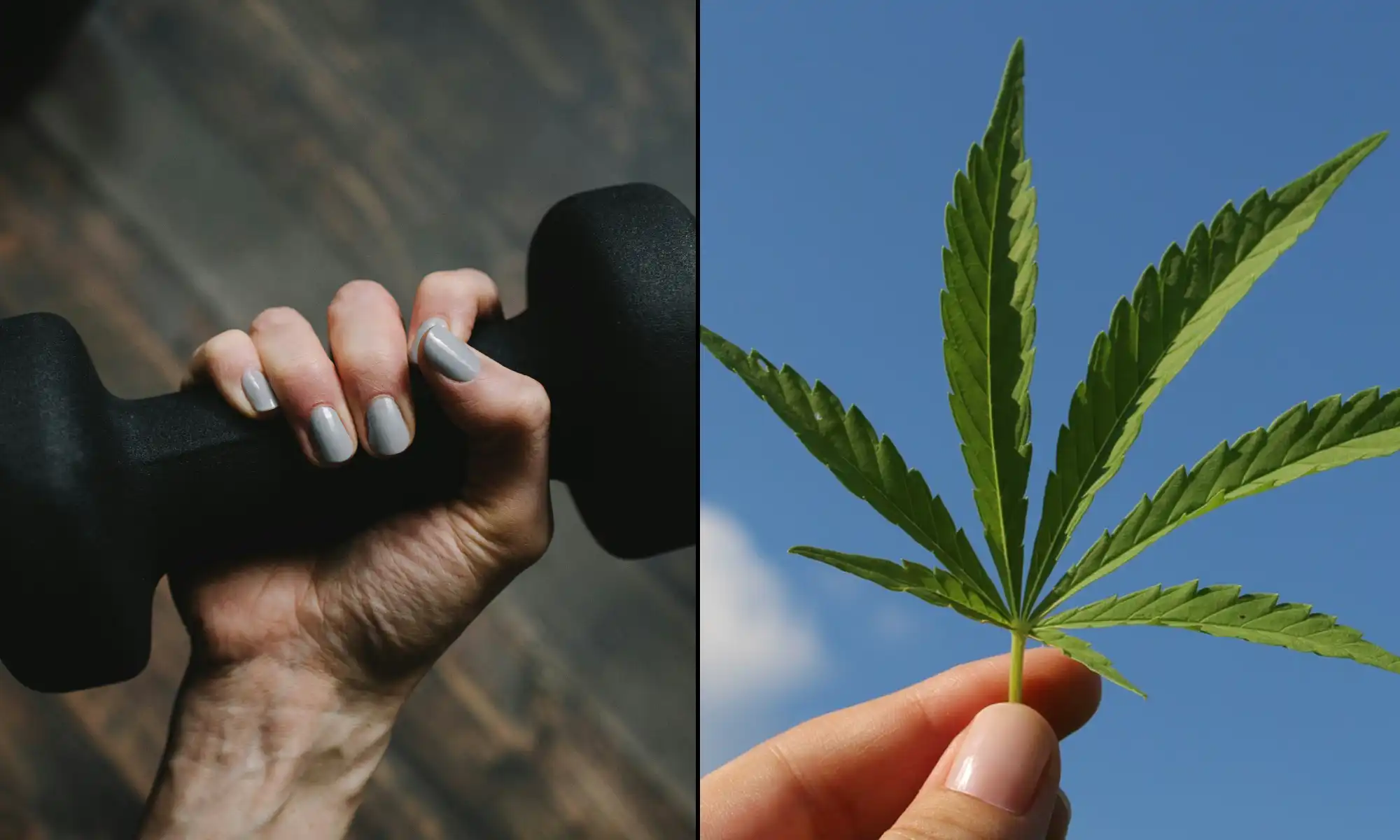
People who use marijuana aren’t more or less likely to be physically active compared to non-users—but they do tend to favor light or moderate exercise, suggesting that “cannabis may influence the subjective experience” such as “enjoyment,” according to a new study that undermines the stereotype about lazy stoners.
Students with the University of Alabama at Birmingham’s Heersink School of Medicine conducted the study, which involved a cross-sectional analysis of survey data. One of the key takeaways departs from the myth about couch-locked cannabis consumers, finding that marijuana use “was not associated with a consistent increase or decrease in overall physical activity levels.”
However, the data did reveal “variability across individuals,” which could be linked to how marijuana affects the endocannabinoid system that “regulates mood, motivation, and motor function, and may therefore influence both the experience and performance of physical activity,” the study authors found.
Participants who reported non-medical cannabis use tended to favor light or moderate activity (e.g. walking and recreational sports), compared to “vigorous” activity such as heavy exercise and aerobics.
“Cannabis use was common within the sample, with substantial variability in frequency, including a subgroup of daily or near-daily users,” the study found. “There was no clear overall correlation between cannabis use and total physical activity, but cannabis use was more closely associated with light and moderate activity than with vigorous exercise.”
The findings “support the idea that cannabis may influence the subjective experience of exercise, such as enjoyment or discomfort, rather than directly enhancing physical performance,” the authors said.
“Future research should incorporate objective measures, such as wearable activity trackers, and use longitudinal or experimental designs to better understand causal relationships and the effects of different patterns of cannabis use,” they said.
Relatedly, a 2024 study found that young to midlife adults were neither more sedentary nor more intensely active after consuming cannabis. In fact, recent marijuana use was associated with a “marginal increase” in light exercise.
“Our findings provide evidence against existing concerns that cannabis use independently promotes sedentary behavior and decreases physical activity,” authors of that paper wrote, adding that “the stereotypical ‘lazy stoner’ archetype historically portrayed with chronic cannabis use does not acknowledge the diverse uses of cannabis today.”
A study published in 2023 separately linked marijuana use to an enhanced “runner’s high” and lower pain during exercise. Participants experienced “less negative affect, greater feelings of positive affect, tranquility, enjoyment, and dissociation, and more runner’s high symptoms during their cannabis (vs. non-cannabis) runs,” according to those findings.
And in 2021, researchers found that frequent marijuana consumers are actually more likely to be physically active compared to their non-using counterparts.
Yet another study, in 2019, found that people use cannabis to elevate their workout tend to get a healthier amount of exercise. It also concluded that consuming before or after exercising improved the experience and aided in recovery.
Meanwhile, a recent federally funded study challenged a related longstanding stereotype about marijuana munchies leading to obesity in lazy stoners—finding that whole extract cannabis is linked to both weight loss and and reduced risk of diabetes.
A study released last year on the use of marijuana components to aid weight loss found that use of a combined product containing the cannabinoids THCV and CBD “was associated with statistically significant weight loss” as well as a slimmer waistline, lower blood pressure and decreased cholesterol.
A separate study in 2024 found that regular marijuana users were less likely to be obese than people who don’t consume cannabis. In fact, the analysis showed a “dose-response relationship between marijuana use and [body mass index], with the lower the BMI classification, the higher marijuana use.”
People who’d used cannabis within the past month were “31 percent less likely to be obese than non-users, after adjustment,” the study says, while “daily marijuana users are 32 percent less likely to be obese than non-users.”
Additional research published in 2020 found that “compared to older adult nonusers, older adult cannabis users had lower [body mass index] at the beginning of an exercise intervention study, engaged in more weekly exercise days during the intervention, and were engaging in more exercise-related activities at the conclusion of the intervention.”