Politics
Kentucky Governor Calls On Congress To Pass Marijuana Banking Bill To Support His State’s Medical Cannabis Program


The governor of Kentucky is pushing Congress to pass a marijuana banking bill to support his state’s rollout of a medical cannabis program.
Gov. Andy Beshear (D) said at a press conference on Thursday that he joined with 15 other governors last week in sending a letter to congressional leaders in support of the Secure and Fair Enforcement Banking (SAFE) Act, which would protect banks from being punished for providing financial services to marijuana businesses.
“The legislation would provide state-sanctioned cannabis businesses access to a regulated banking system,” Beshear said.
“That’s important because it would help increase public safety, increase revenues, help our economy and improve transparency,” the governor said.
The bill is “necessary,” he argued, because it will “keep these dollars safe and in line with federal regulations, protecting against financial crime and more.”
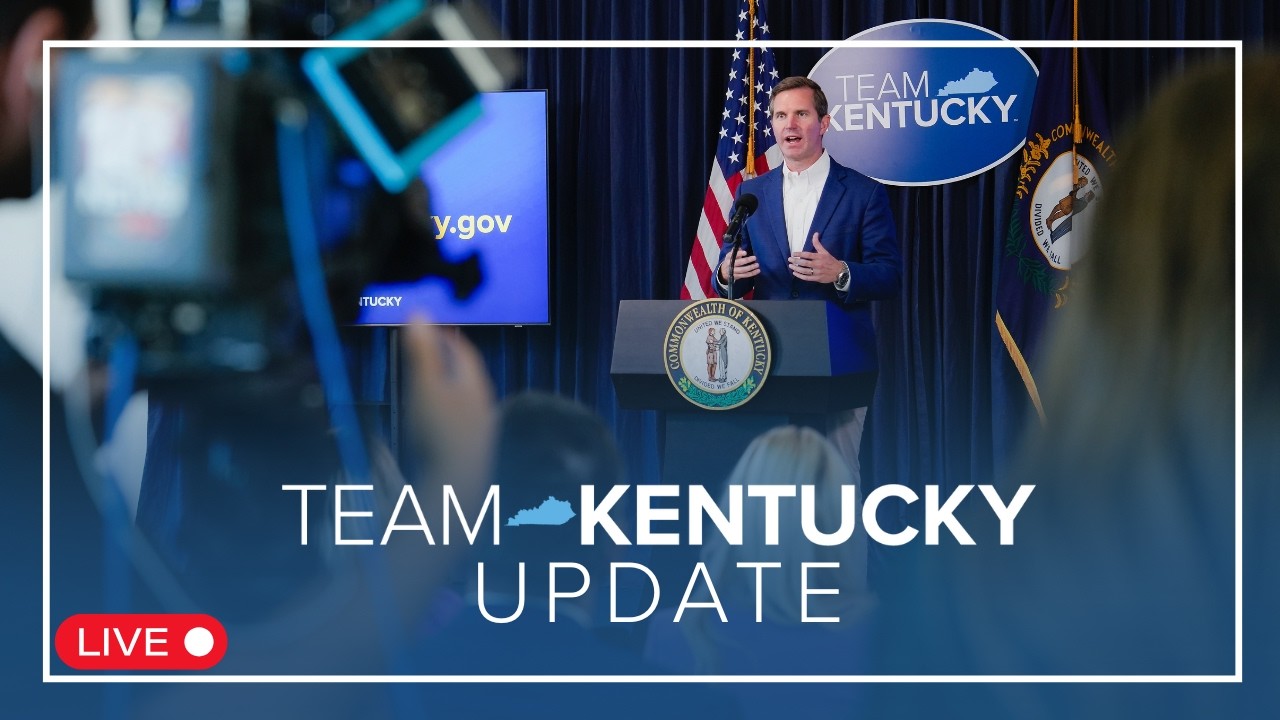
Beshear also highlighted recent milestones in his state’s medical marijuana program, saying that “we’re making great progress to make sure that medical cannabis is available and eligible for Kentuckians in need.”
“Those with sickle cell, terminal illnesses, cancer, PTSD, and others deserve alternative pain relief options,” he said.
The governor noted that medical marijuana dispensaries are now open across all 11 licensing regions of the state—with 27 operational locations—and that there are now more than 30,000 registered cardholders in Kentucky’s medical cannabis program and 500 practitioners certified to issue recommendations.
Beshear’s push for Congress to help ensure cannabis operators can access banking services, he said, is a “step to ensure that success continues by supporting the very businesses that make the industry possible.”
The banking letter signed by the coalition of governors notes that “nearly every U.S. state has now legalized cannabis in some form,” arguing that there are public safety and other challenges caused by the “disconnect between state cannabis laws and federal law.”
They wrote that states have collected billions of dollars in marijuana tax revenues, pointing out “difficulties associated with state regulatory agencies depositing those tax payments, processing licensing fees, and obtaining similar services given cannabis proceeds remain federally illegal.”
The SAFE Banking Act “provides a pragmatic solution that respects state sovereignty while addressing critical public safety and governance challenges,” the letter says.
Bipartisan groups of House and Senate members in June filed versions of the SAFE Banking Act in Congress.
Earlier iterations of the banking legislation have been introduced in past sessions of Congress, and while versions have been approved by the House of Representatives on several occasions, the reform has never been enacted into law.
The Senate Banking Committee approved a cannabis banking measure in 2023 but it was not subsequently taken up on the floor and died at the end of the 118th Congress.
Last year, a bipartisan coalition of 32 state and territory attorneys general sent a letter urging Congress to pass the SAFE Banking Act, arguing that it would be “crucial to public safety and to ensuring that lawful businesses in our states have access to regulated banking services.”
Photo courtesy of Mike Latimer.