Politics
It’s Time For South Carolina Lawmakers To Take Medical Marijuana Seriously, Military Veteran Says (Op-Ed)

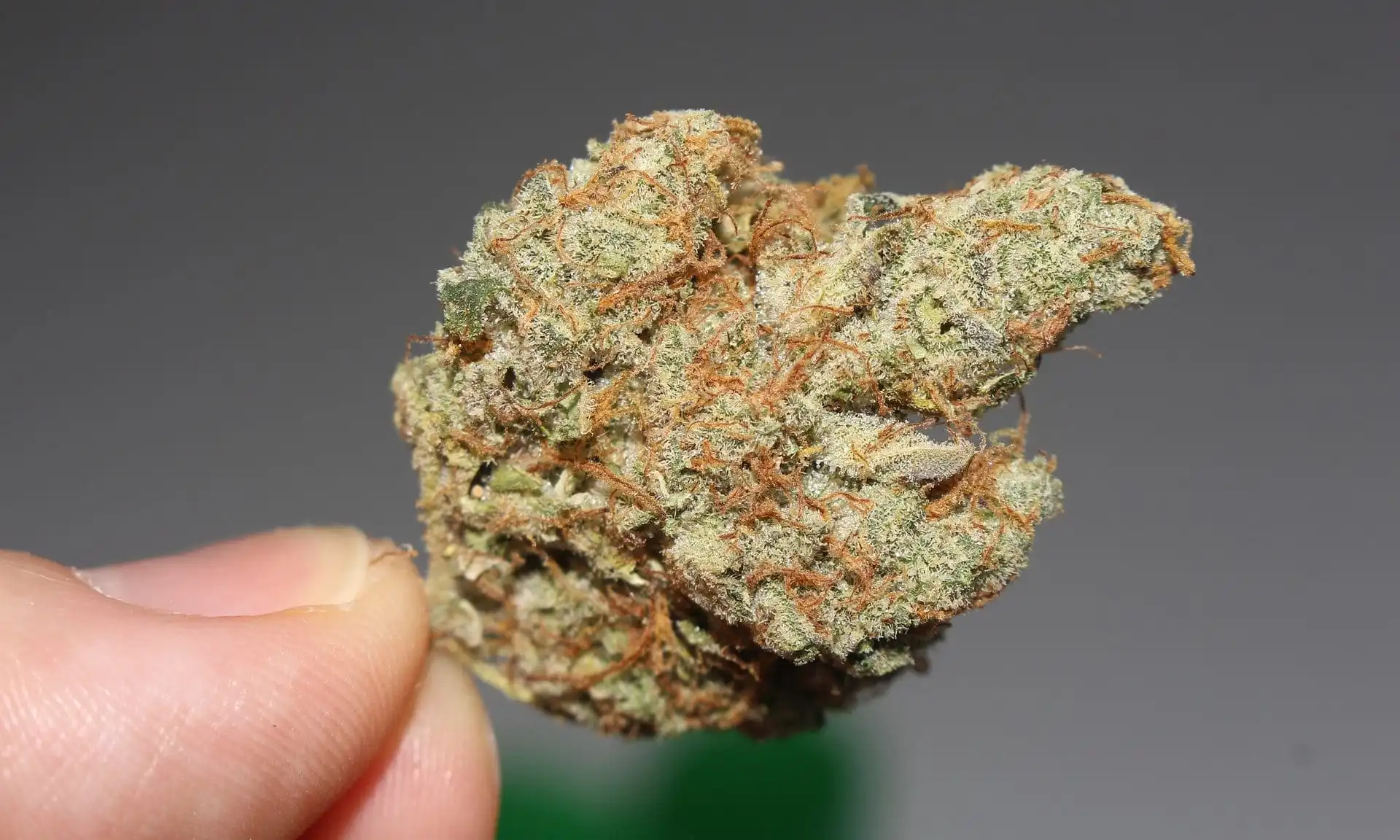
“This is not about turning South Carolina into something it is not. This is about compassion, medical freedom and common sense.”
By Dray Orion, U.S. Army veteran via South Carolina Daily Gazette
I came home from war with things I could explain and things I still cannot.
Some of it was physical. Some of it was mental. Some of it was the kind of weight that does not show up cleanly on a chart, in a scan or in a polite conversation. Any veteran reading this knows exactly what I mean. You can look fine from the outside and still be carrying a battlefield inside your chest.
That is why I believe South Carolina needs to have an honest conversation about medical cannabis, especially for veterans.
Not a political shouting match. Not a culture-war circus. An honest conversation.
Because right now, too many veterans are left with the same old choices. Take the pills. Tough it out. Drink it down. Stay quiet. Pretend you are fine. Smile at the cookout. Sit alone in the garage. Carry the nightmares. Carry the pain. Carry the shame.
And if you find something that helps, but the law has not caught up yet, you are suddenly treated like the problem.
That is backwards.
I am not writing this as someone trying to sound edgy. I am writing this as a veteran, a father, a husband, an author and a man who has had to learn how to keep living after war.
I am also a disabled veteran, though I do not usually lead with that. Truthfully, I do not even like people knowing it most of the time. Not because I am ashamed of my service, but because people look at you differently when they hear those words. They start seeing the injury before they see the person. They start treating your life like a sad story instead of a life you are still trying to build.
I have watched too many good people suffer in silence because they were afraid of being judged, punished or dismissed.
Veterans are trusted to carry rifles overseas. We are trusted to make life-and-death decisions in places most people will never see.
But when it comes to our own pain, suddenly we are not trusted to have a legal medical option that may help some of us sleep, eat, calm down, function or simply get through the day without feeling like we are crawling out of our own skin.
That does not make sense to me.
Medical cannabis is not magic. It is not a cure-all. It is not for everybody. No serious person should pretend otherwise.
But we should also stop pretending that the current system is working for everyone.
It is not.
We also need to be honest about what we already accept. Alcohol is legal for adults over 21, even though the Centers for Disease Control and Prevention says excessive alcohol use kills about 178,000 people a year in this country.
Meanwhile, the Drug Enforcement Administration’s marijuana fact sheet says no deaths from marijuana overdose have been reported. That does not mean cannabis is harmless. It means our laws are not always based on honest comparisons of risk.
For some veterans, the issue is post-traumatic stress syndrome. For others, it is chronic pain, anxiety, sleep, appetite or the long-term damage that comes from years of service, injuries, medications and stress. Some are doing everything “right” and still suffering.
And here in South Carolina, many of them are expected to suffer quietly or leave the state to access something that should be available safely and legally at home.
That is the part that gets me.
This is not about turning South Carolina into something it is not. This is about compassion, medical freedom and common sense. It is about building a regulated system that gives seriously ill people, including veterans, access to medical cannabis under the care of professionals.
South Carolina lawmakers have had chances to move this conversation forward. The Compassionate Care Act, which has failed repeatedly, has been an attempt to create a regulated medical cannabis program for people who are suffering and whose doctors believe it may help.
We already know veterans are struggling. We already know suicide, addiction, isolation and untreated trauma are real issues in our communities.
So why are we still making this harder than it has to be?
Whenever people find out I served, the usual response is, “Thank you for your service.”
I know most people mean that kindly, and I do not take it lightly. But I will be honest—it has never sat completely right with me. I volunteered. I raised my hand. I made that choice.
A thank-you is appreciated. But it is not a treatment plan.
It is not a policy.
And it is not enough.
I live in Rock Hill. I care about this state. I care about the people here. I care about the veterans in church pews, grocery store lines, job sites, classrooms and quiet living rooms carrying things they do not talk about.
Some of them will never stand at a microphone. Some of them will never tell their story because the weight of it is too personal, too complicated, or too painful.
South Carolina veterans deserve more than gratitude once a year and a discount at a restaurant.
They deserve options. They deserve dignity.
We do not need more silence.
We need courage. And compassion. And laws that finally reflect both.
Dray Orion is a retired U.S. Army veteran who served between 1993 and 2009, with multiple deployments, including Saudi Arabia and Iraq. He is also an author and father. His debut book, “Living Out Loud: No Shame, No Chains,” is about shame, identity, survival, and the courage it takes to live honestly. He lives in Rock Hill.
This piece was first published by South Carolina Daily Gazette.