Science & Health
Drinking Marijuana-Infused Tea Boosts Happiness And Sleep Quality, Study Shows

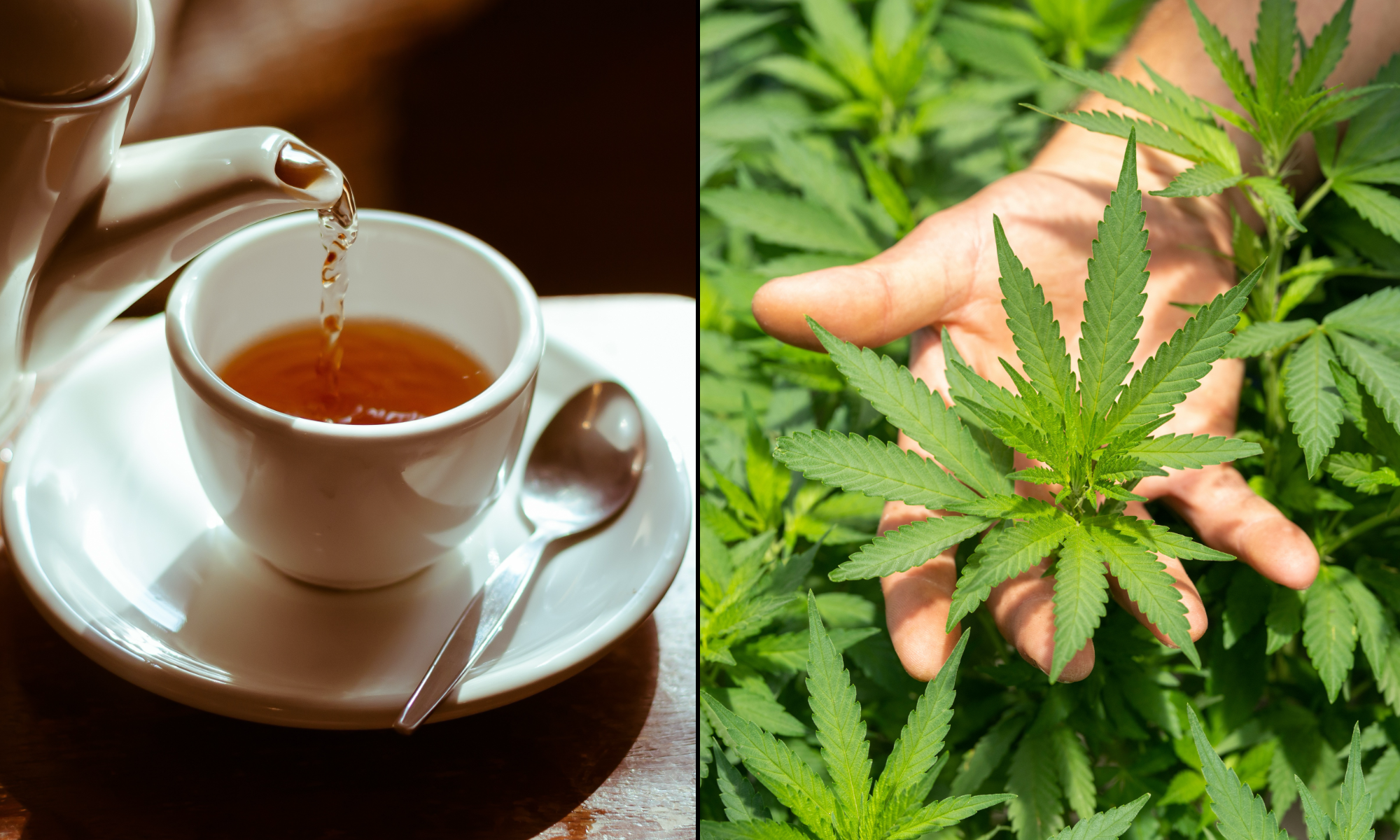
Drinking a cup of tea infused with marijuana before going to bed can lead to a better night’s sleep and an overall improved sense of happiness in life, according to a new study.
“The results demonstrated a statistically significant increase in happiness levels between pre-experimental and post-experimental groups, indicating that cannabis-infused tea had a positive effect on participants’ well-being,” the study, published this month in the Journal of Health Science and Medical Research, found.
Researchers with Rajamangala University of Technology Isan in Thailand separated 30 volunteers into three groups that received drip tea infused with 3 percent, 5 percent or 7 percent cannabis, weight by weight.
The participants were instructed to steep marijuana leaves in hot water and then drink the infused tea 30 minutes before bedtime every day for a week. Their happiness levels were assessed with a 15-item questionnaire and a follow-up phone interview at the end of the trial.
“The findings from this study support the potential application of cannabis-infused tea in improving happiness levels.”
The groups that received the 5 and 7 percent by weight marijuana tea infusions reported improved sleep quality.
The 7 percent cohort had the “highest level of happiness score,” the authors wrote, with that preparation found to be “the most suitable formula for increased happiness.”
“It contributed to improvements in life satisfaction, self-esteem, the ability to confront and accept problems, the ability to regulate emotions, a sense of confidence, a sense of empathy for others, and a greater sense of security with family,” the study says.
“Cannabis-infused tea enhanced the state of happiness without reported side effects,” the paper concludes. “Therefore, this prototype tea could be consumed at the optimum dose to maintain health and well-being.”
“Cannabis-based tea products may be a promising avenue for healthcare research and therapeutic applications in treating neurodegenerative disorders.”
The researchers cautioned, however, that it is possible that the effects of herbal substances in the tea itself, such as peppermint and stevia, could have contributed to changes in participants’ happiness levels—and that also said that future studies should examine the long-term efficacy and safety of drinking cannabis-infused tea.
The new research adds to a body of prior studies that have found benefits of cannabis consumption for mood and wellness.
A study of adults who drink cannabis-infused beverages that was published earlier this year, for example, found evidence of a “substitution effect,” with a significant majority of participants reporting reduced alcohol use after incorporating cannabinoid drinks into their routines. It also identified improvements in overall wellbeing and sleep, as well as reductions in pain, stress, depression and anxiety.
A survey from the American Academy of Sleep Medicine found that about 2 in 3 Americans who use marijuana say it improves their sleep.
Separate research involving more than 3,500 patients showed that using medical marijuana appears to help people reduce the use of medications, including sleeping aids. They also experience far fewer negative side effects after switching to cannabis from prescription drugs.
The cannabis component CBD can ease symptoms of moderate to severe anxiety after a short duration of use, another recent study found.