Politics
Hemp And Marijuana Businesses Should Unite Around A New Regulatory Framework That Protects Consumers And Supports Farmers (Op-Ed)

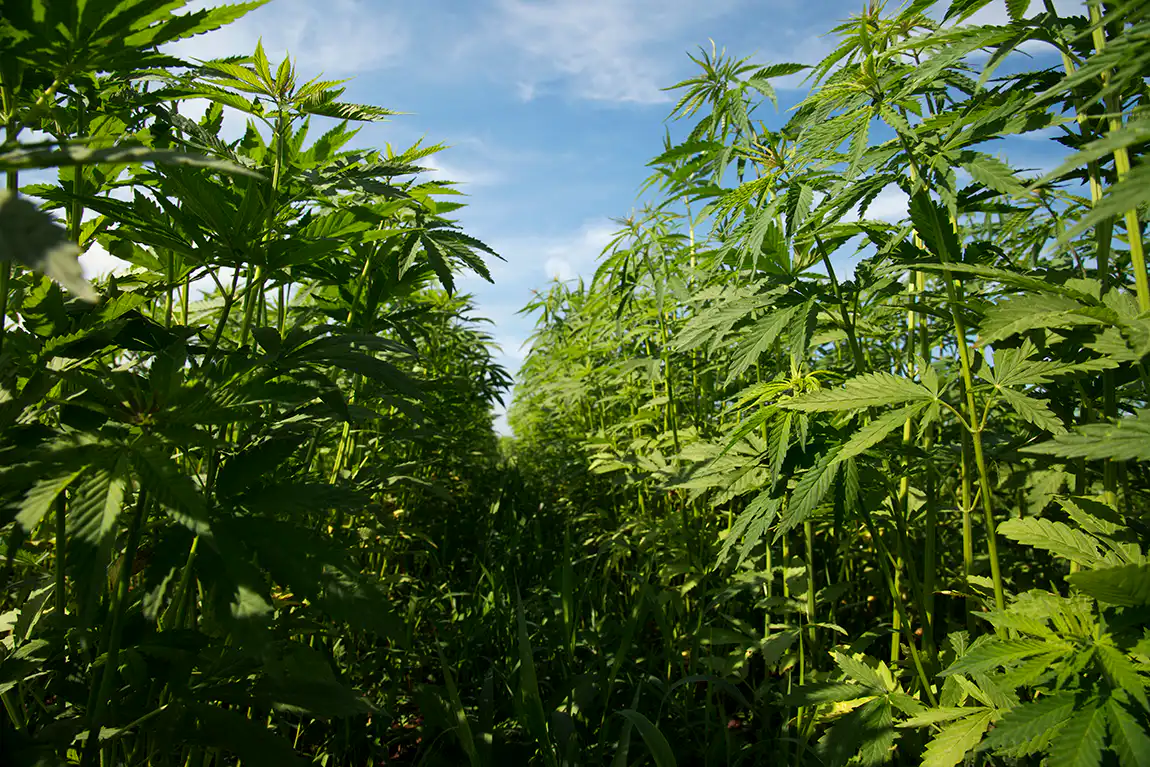
“The Goodness of Hemp Act represents one of the most reasonable opportunities for compromise currently on the table.”
By Morgan Tweet, IND HEMP
Few industries have watched the rise of hemp-derived intoxicating products with more frustration than regulated cannabis.
Yet one of the more interesting realities of this debate is that many cannabis operators have quietly entered the hemp market themselves. While publicly advocating for stricter restrictions on hemp-derived products, many have simultaneously launched hemp beverage brands, cannabinoid product lines or other investments tied to the category’s growth.
That contradiction reveals something important: this debate is no longer about whether consumer demand exists. It does. The real question is what framework should govern it.
One answer may be the Goodness of Hemp Act, a draft legislative framework developed by a coalition of hemp stakeholders and currently being shared with policymakers as Congress debates the future of hemp-derived cannabinoids.
Though not yet formally introduced, the proposal is being considered by congressional offices both as a comprehensive framework and as a source of specific provisions that could strengthen existing legislative efforts—offering a path to better balance consumer protection, agricultural interests and long-term market stability.
What we are suggesting is simple: regulated cannabis operators should be far more focused on how to responsibly regulate hemp than how to eliminate it.
It’s not hard to understand why many in regulated cannabis businesses have placed a target on the hemp industry.
After years of competing against products operating under a different set of rules, many operators view the approaching November 12 federal recriminalization of hemp THC products as an opportunity to finally reset the playing field. Some have spent years advocating for stronger restrictions on hemp-derived intoxicating products and may see recent legislative activity as evidence that those efforts are finally paying off.
But there is an important question worth asking: What happens next?
If the objective is simply to eliminate today’s hemp-derived marketplace, the industry may discover that prohibition solves less than expected.
Some consumers will undoubtedly leave the category altogether. Many are not prepared to make the leap from a low-dose hemp beverage or wellness product to becoming a traditional cannabis consumer. The assumption that all of that demand simply migrates into regulated cannabis markets is unlikely to prove true.
At the same time, history suggests that demand rarely disappears entirely. Poorly constructed policy often creates opportunities for underground operators willing to ignore the rules altogether. As legitimate businesses exit the market, bad actors are often left to fill the void with lower-quality, untested and potentially unsafe products.
When those products reach consumers, they rarely distinguish between hemp, cannabis or cannabinoids. They simply conclude that the category itself cannot be trusted.
Every negative consumer experience, every mislabeled product and every irresponsible operator damages confidence not only in hemp-derived products, but in cannabis products as well. The industry has spent years fighting stigma. It should be cautious about creating conditions that reinforce it.
That is why efforts to modify or replace the hemp provisions included in last year’s congressional appropriations process should be a serious topic of interest for regulated cannabis operators. Congress has already signaled that the status quo is unlikely to continue. The question is no longer whether change is coming. The question is what replaces it.
With Congress expected to revisit hemp policy later this year, the industry has an opportunity to move beyond temporary extensions and begin discussing what a durable national framework could actually look like.
We believe the Goodness of Hemp Act represents one of the most reasonable opportunities for compromise currently on the table. Not because it ignores the concerns of regulated cannabis, but because it addresses them directly while creating a framework that prioritizes consumer protection, market accountability and long-term industry stability.
First, the draft legislation would restrict inhalable hemp products, addressing one of the primary concerns raised by regulated cannabis operators. By reserving this category for regulated cannabis, the proposal creates greater certainty around market boundaries and reinforces the value of compliance within state-regulated programs. Inhalables remain the core dispensary product category, making this one of the most direct benefits for state-licensed operators.
Second, the proposal would create clearer distinctions between hemp and cannabis based on THC concentration and intended use. The result is greater certainty about where hemp begins and ends, where cannabis begins and which regulatory framework applies.
Third, and perhaps most importantly, the draft language creates a framework that prioritizes consumer protection and responsible market development over regulatory ambiguity. Instead of allowing bad actors to define the marketplace, it establishes guardrails that help legitimate businesses compete while giving consumers greater confidence in the products they purchase.
Millions of consumers are being introduced to cannabinoids through low-dose beverages, wellness products and other regulated formats. Over time, that exposure can reduce stigma, improve understanding and help consumers become more comfortable navigating the broader cannabinoid marketplace.
The counterintuitive reality is that the long-term success of regulated cannabis may depend less on eliminating hemp and more on helping shape the rules that govern it. Those rules should establish clear boundaries, reward compliance, protect consumers and build trust across the entire cannabinoid category.
And that is where the Goodness of Hemp Act stands apart from many of the proposals currently being debated in Washington, D.C.
Most focus on extending timelines, preserving the status quo or addressing a single segment of the market. The Goodness of Hemp Act takes a different approach. It seeks to create a durable framework that puts consumers first, supports farmers, establishes clear guardrails and provides a pathway for long-term market stability.
The Goodness of Hemp Act is the product of extensive collaboration among stakeholders who recognized that the industry needs more than another extension, carveout or temporary fix. It represents one of the first serious attempts to develop a long-term framework that could provide greater clarity for regulated operators, stronger protections for consumers and new opportunities for farmers and rural communities.
The conversation surrounding hemp has spent years focused on what one industry stands to lose. But the bigger question may be what the entire cannabinoid economy stands to gain from clearer rules and greater certainty.
Regulated cannabis operators have legitimate concerns about today’s hemp marketplace. So do farmers, manufacturers, retailers and consumers. The debate has already moved beyond whether change is needed. The question now is what comes next.
If lawmakers can create a system that protects consumers, establishes clear boundaries and rewards responsible businesses, both hemp and cannabis could emerge stronger. The future of cannabinoids will not be shaped by the industries that spend the most time fighting one another, but by those willing to do the difficult work of building rules that consumers can trust and legitimate businesses can operate under for years to come.
Morgan Tweet is co-founder and CEO of IND HEMP and executive director of The Hemp Feed Coalition. She is helping lead a broad coalition of stakeholders working to align the interests of industrial hemp, consumer cannabinoid products and American agriculture around a comprehensive federal regulatory framework.
Photo courtesy of Brendan Cleak.