Politics
Democratic Lawmakers Push Trump To Release Federal Marijuana Prisoners As A Follow-Up To Rescheduling

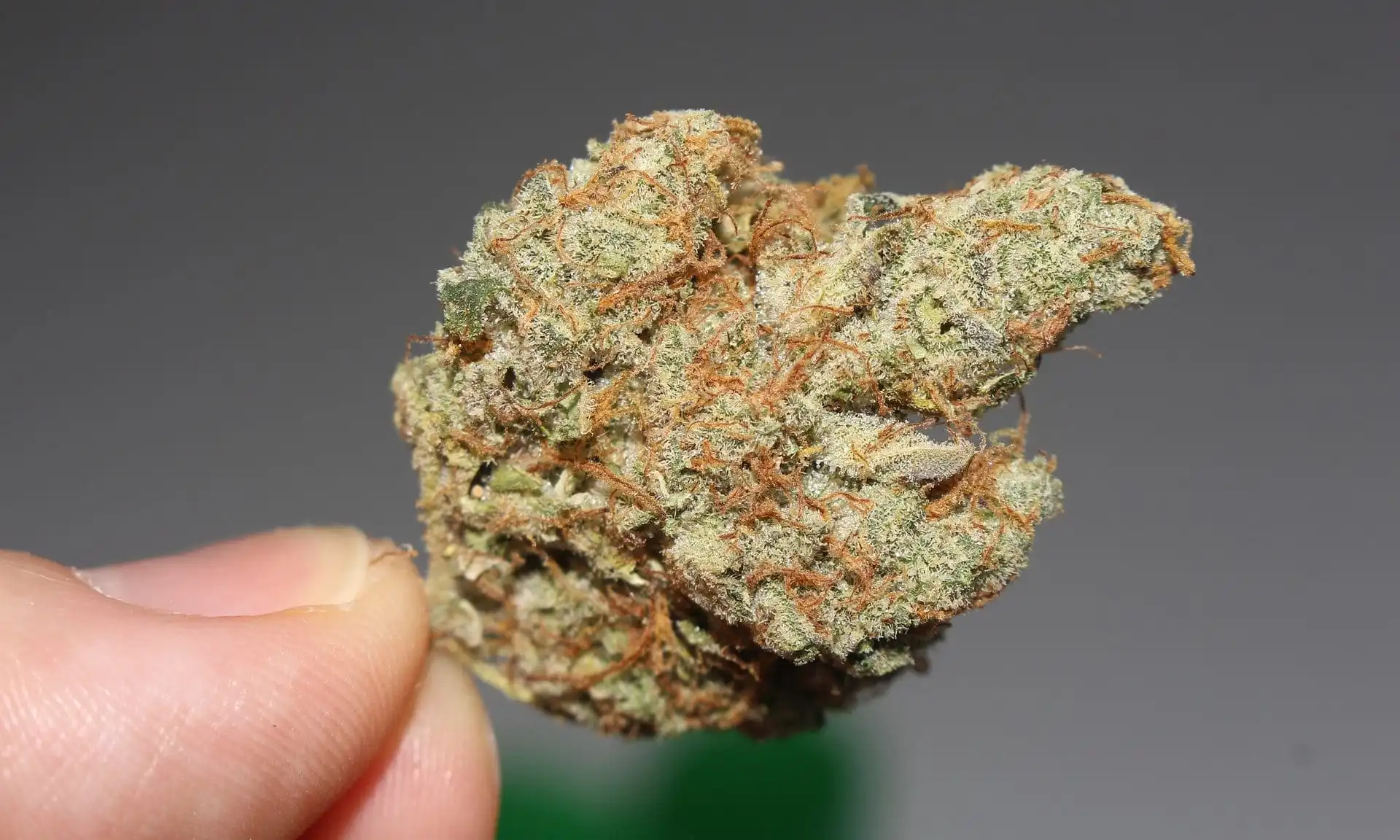
A coalition of Democratic members of the U.S. House of Representatives and Senate are pushing President Donald Trump to commute the sentences of people who are still serving time in federal prison for marijuana. The move, they say, is a logical next step now that his administration is moving to reschedule cannabis.
“The inclusion of marijuana in the Controlled Substances Act has resulted in tens of millions of people being sent to county, state, and federal prisons over the last several decades,” the letter sent on Friday says, noting that polling shows strong support for cannabis reform among voters.
Trump has already “recognized this disconnect between the science and policy” by issuing an executive order directing federal officials to move marijuana from Schedule I of the Controlled Substances Act (CSA) to Schedule III, the letter, led by Rep. Steve Cohen (D-TN), Sen. Cory Booker (D-NJ) and Rep. Steven Horsford (D-NV), says.
“However, rescheduling marijuana does not provide relief for anyone currently in federal prison from a marijuana conviction,” they and 26 other House and Senate colleagues wrote. “As president, you have a unique opportunity to use your constitutional authority and issue a categorical commutation to address this continuing injustice.”
The letter to Trump and his pardon czar, Alice Marie Johnson, says that people convicted for cannabis “face disproportionately long sentences,” noting that U.S. Sentencing Commission data indicates about 3,000 people are “still federally incarcerated for marijuana trafficking offenses, with hundreds, perhaps thousands serving harsh mandatory minimum sentences of 5 years or longer.”
“Too many people are serving way too long for marijuana-associated offenses,” the lawmakers wrote, adding that cannabis laws have been enforced in a racially disparate manner. “This means precious time away from loved ones and families separated for years, and in some cases even decades, due to our country’s antiquated laws around marijuana. However, thousands of people continue to be federally incarcerated for marijuana-related offenses, an activity that most states, in some form, have legalized.
The letter argues that releasing marijuana prisoners can help the Bureau of Prisons (BOP) deal with capacity issues stemming from overcrowding and understaffing.
“While it won’t solve the structural issues that have led us here, we believe that commuting the sentences of people with marijuana offenses would both address the overly harsh sentences while simultaneously allowing BOP to focus resources where they are needed most,” says the letter, which was also signed by Sens. Elizabeth Warren (D-MA), Jeff Merkley (D-OR), Bernie Sanders (I-VT), Ron Wyden (D-OR) and Ed Markey (D-MA), along with Reps. Troy Carter (D-LA), Rashida Tlaib (D-MI), Bonnie Watson Coleman (D-NJ), Jared Huffman (D-CA), Pramila Jayapal (D-WA), Dan Goldman (D-NY), Dwight Evans (D-PA), Alexandria Ocassio-Cortez (D-NY), Dina Titus (D-NV), Ilhan Omar (D-MN) and Eleanor Holmes Norton (D-DC), among others.
The lawmakers also asked the president to ensure that people who are serving “unjust marijuana sentences” be provided with “support services to ensure they have a successful reentry after years of incarceration.”
Meanwhile in Congress, a pair of Republican lawmakers teamed up with anti-marijuana groups this week to push for a “carve-out” to ensure that safety-sensitive workers continue to be tested and punished for cannabis use.
Last week, the House of Representatives passed a bipartisan amendment to allow military veterans receive medical cannabis recommendations from their Department of Veterans Affairs doctors.
Separately, he House Appropriations Committee approved a bill last week containing provisions that would block Department of Justice officials from taking further steps to reschedule cannabis while continuing to protect state medical marijuana laws from federal interference.
A report attached to that legislation also directs federal officials to take enforcement action against unregulated cannabinoid products that “threaten consumer safety.”
That panel also recently approved another spending bill and an attached report that expresses concerns about health risks from cannabis-derived products, while also encouraging research into the therapeutic benefits of psychedelics.
The full House also recently passed a Farm Bill with provisions aimed at aiding industrial hemp producers—but without any language to delay or alter the federal recriminalization of hemp THC products that’s scheduled to take effect later this year.
A new report from the Congressional Research Service details the scope and limitations of the federal marijuana rescheduling move.