Politics
DEA Hasn’t Shown ‘Any Sort Of Interest’ In Helping States Prepare For Marijuana Rescheduling, Top California Official Says


California’s top marijuana regulator says the Drug Enforcement Administration (DEA) hasn’t been cooperative in answering questions about the implications of the Trump administration’s rescheduling move—while the federal agency is simultaneously asking the state itself to share more information about its medical cannabis program.
“We have received no formal updates from DEA headquarters on implementation guidance of the order,” California Department of Cannabis Control Director Clint Kellum said at a meeting of the Cannabis Advisory Committee on Tuesday.
“We have been trying to communicate with DEA headquarters to get a better understanding of what their expectations rule set will be for operators under the guidance,” he said. “Unfortunately, to date, we have not been offered any information on that front.”
Kellum said that there have been “national-level efforts” to contact DEA in conjunction with cannabis regulators from other states, but they “just really haven’t seen any sort of interest on that front, unfortunately.”
The California official said that regulators are waiting for further guidance from the feds before they make further changes to state rules related to marijuana’s evolving federal legal status.
“The last thing what we want to do is try to be guessing what they’re going to be doing, and then trying to make changes that have widespread effects across our market, and then ultimately to find out that there’s some sort of different path or vision,” he said. “I know that’s probably not sufficiently satisfying, but I think we want to sort of be methodical in our approach and make sure that we have the correct underpinning of information before we make wholesale significant changes.”
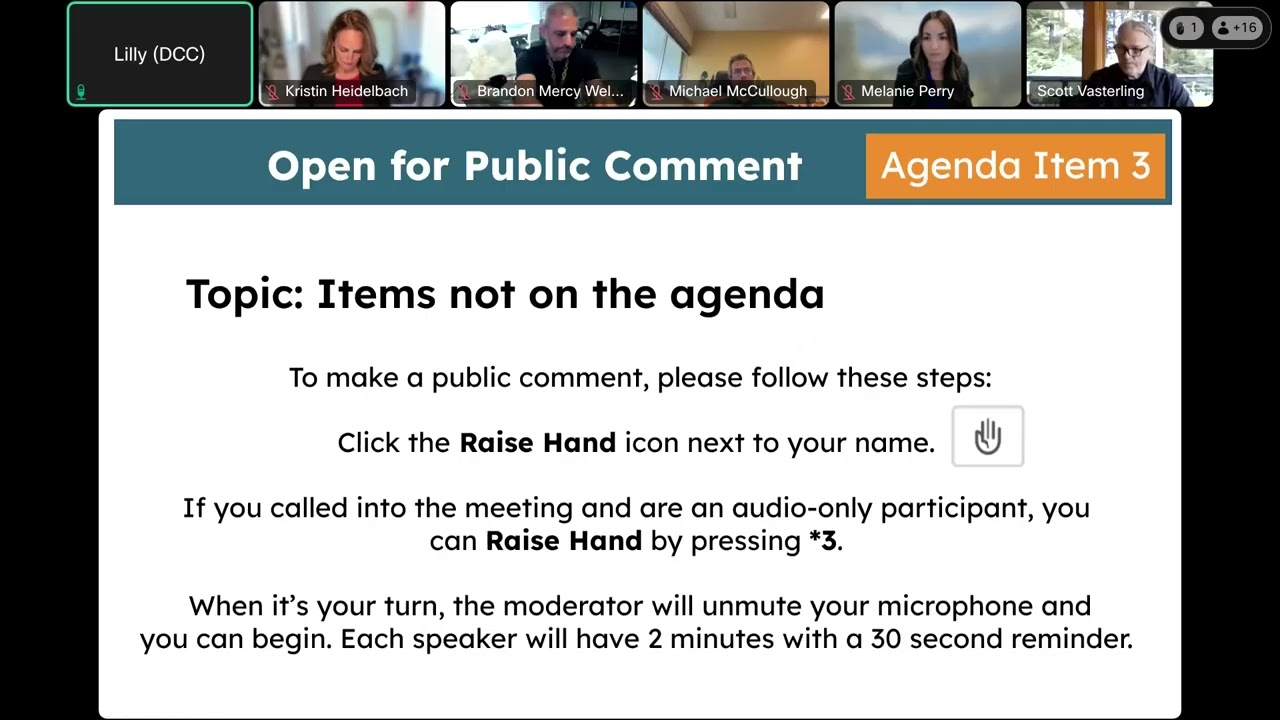
In May, DCC adopted initial emergency rules changes for the state’s marijuana licensing process that are intended to make it easier for businesses to qualify for benefits in line with the Trump administration’s recent decision to move ahead with federally rescheduling medical cannabis.
In April, Attorney General Todd Blanche issued an order immediately moving marijuana products regulated by a state medical cannabis license from Schedule I of the Controlled Substances Act (CSA) to Schedule III, along with marijuana products that are approved by the Food and Drug Administration (FDA).
A DEA hearing that recently concluded testimony is considering broader marijuana rescheduling.
Meanwhile, DEA launched a form for cannabis businesses to register for federal protections in line with rescheduling.
Kellum, of DCC, said that “other states are starting to see DEA inspections” of marijuana businesses that registered, but that the agency has been “focused more in areas with clear state medical cannabis programs than mixed states like ourselves.”
“There appears to be some regional variation in the approach to those inspections and some of their questions,” he said, in line with reporting from Marijuana Moment showing that DEA officials are posing differing sets of follow-up questions to cannabis business from state to state.
California has “received data requests from the DEA in relation to medicinal production and dispensing figures in the state,” Kellum said.
“We have asked questions in relation to what the data will be used for, and would like to spend some time with them, helping them understand California’s market and sort of the different incentive models and structuring,” he said. “In our market, someone identifying their medical use is is not really incentivized, and so not knowing how they would use that data, we kind of haven’t been able to sort of share information the way we would hope.”
Kellum also noted that federal rescheduling could have implications for international and interstate cannabis commerce, saying that officials would be “spending some time this fall thinking about” the issue.
Ultimately, the top California cannabis official said that there are four major things the state is tracking for “material changes.” Those are actual DEA guidance, the result of the agency’s broader rescheduling hearing, guidance from the Internal Revenue Service on cannabis business tax issues and litigation that has been filed to challenge the reform.
In the meantime, Kellum’s comments about DEA’s lack of communication isn’t the first time that top state cannabis officials have complained about a lack of guidance from the Trump administration about the rescheduling process.
“None of us really can effectively advise our licensees, which is just incredibly frustrating, especially with a ticking clock,” James Pepper, chair of the Vermont Cannabis Control Board, said earlier this year.
Photo courtesy of Mike Latimer.