Science & Health
Marijuana Improves Symptoms For People With Anorexia And Other Eating Disorders, Study Finds

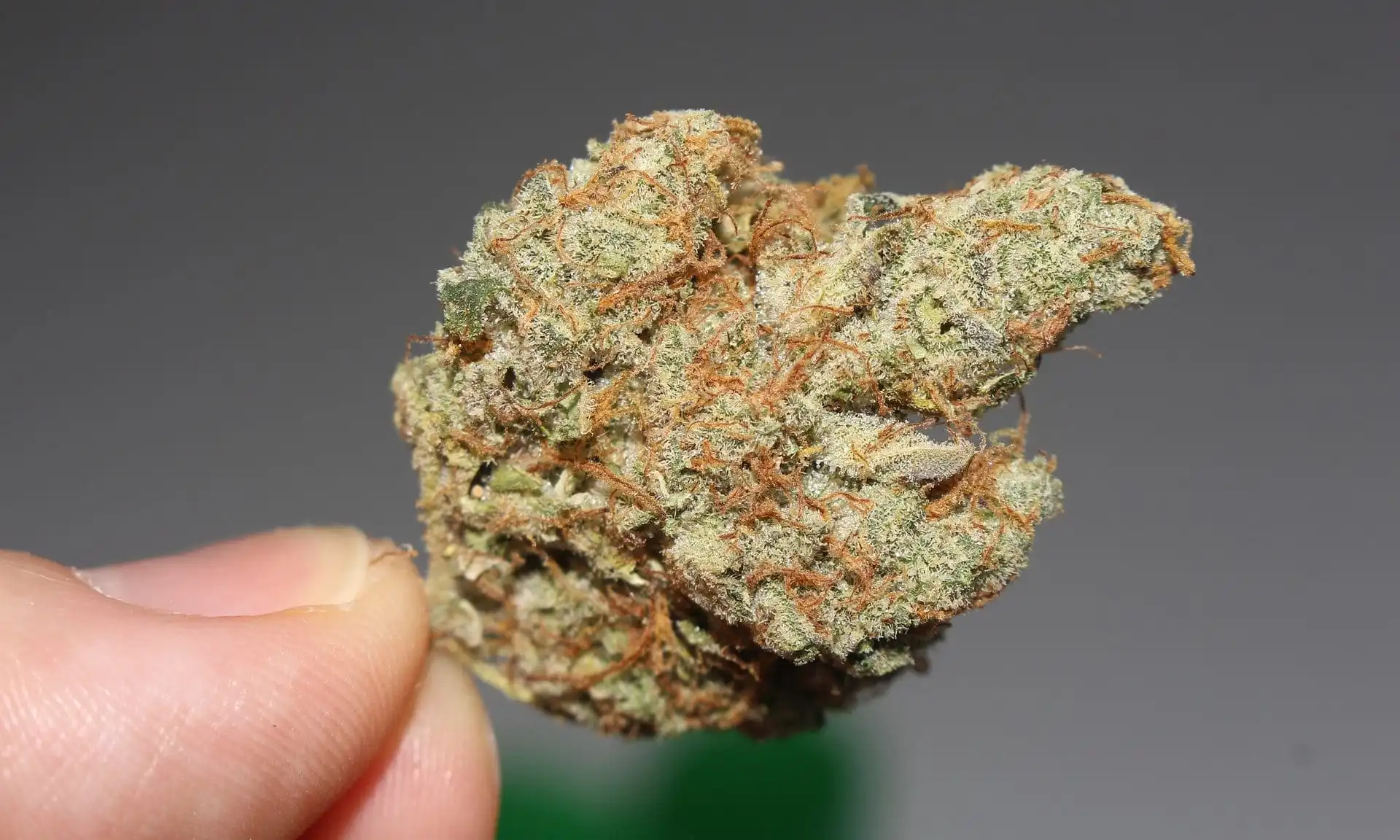
Using marijuana appears to have a “positive outcome” on people struggling with some eating disorders, according to a new study.
“Cannabis is widely used by people with eating disorders and is widely perceived as beneficial in restrictive and food-averse, but not binge, eating disorder subtypes,” the paper, published in the Journal of Eating Disorders, found.
Researchers at the University of Sydney in Australia surveyed more than 7,500 people with a diagnosed or self-reported eating disorder (ED), with more than 3,o00 of whom that used cannabis within the past year. Respondents represented 76 countries, with most residing in Australia (29.7 percent), the United Kingdom (21.7 percent) and the United States (17.6 percent).
“Cannabis received the highest mean ratings of any drug for improving ED symptoms” among people avoidant/restrictive food intake disorder, anorexia nervosa and other specified feeding and eating disorder, the study found. People with unspecified feeding or eating disorder “also reported a favorable rating.”
For people with anorexia nervosa specifically, “cannabis use drove reductions in food-related anxiety and guilt, which, together with appetite stimulation, helped normalise their eating,” the study found. “The gastroprotective and antinausea properties of cannabis appear to provide additional therapeutic benefits over and above those provided by appetite stimulation and anxiety reduction.”
For people with avoidant/restrictive food intake disorder (ARFID), which involves a lack of desire to eat and aversions to food based on sensory factors such as texture, taste and smell, there is a “transformational effect of cannabis” related to “increased appetite and enhanced ability to recognise hunger cues,” the researchers wrote.
“The higher frequency of daily cannabis use amongst those with ARFID may well reflect self-medication for these therapeutic benefits,” they said. “Indeed, daily use of cannabis flower was generally associated with higher ED symptom improvement scores relative to intermittent use, suggesting that symptom improvement may drive frequency of use.”
In contrast, people with binge eating disorder and bulimia nervosa, “provided lower ratings” for marijuana’s efficacy—perhaps because “the appetite-stimulating properties of THC may exacerbate binge/purge symptomatology,” the paper said.
When participants were prompted with open-ended questions, “general mental health was self-reported as improved by cannabis in most respondents regardless of diagnosis,” the researchers wrote. Participants also said cannabis helps with improved ability to eat, improved awareness of hunger cues, reduced guilt related to their eating disorder, less nausea and diminished food-related anxiety.
“Our findings suggest that cannabis is widely used by individuals with an ED or disordered eating and that naturalistic use of cannabis is self-reported as having a positive outcome on ED symptoms.”
That said, “a substantial number described mixed experiences of both improvement and exacerbation of ED symptoms,” the study found.
The research is a follow-up to an earlier paper that some of the same authors published in the Journal of the American Medical Association that found that marijuana and psychedelics were “the highest rated” drugs in effectively addressing eating disorder symptoms.
“Our top-level analysis indicated that cannabis was commonly used among respondents and was one of the few drugs rated positively for ED symptom improvement. In [anorexia nervosa], [avoidant/restrictive food intake disorder,], and [other specified deeding and eating disorder], this positive rating was superior to all prescription drugs.”
While daily use of marijuana flower specifically was more associated with improved eating disorder scores than intermittent use in the new study, symptom improvement didn’t vary overall based on cannabis product type or cannabinoid composition.
The researchers noted that the self-report and naturalistic nature of the study means that no strong causal conclusions can be drawn, saying that “future clinical trials of cannabis products are warranted in eating disorders.”
They also flagged concerns about cannabis dependence and “other adverse effects” of frequent use that some participants reported.