Science & Health
Medical Marijuana Improves Lower Back Back Pain And Reduces Opioid Use, New 10-Year Study Shows

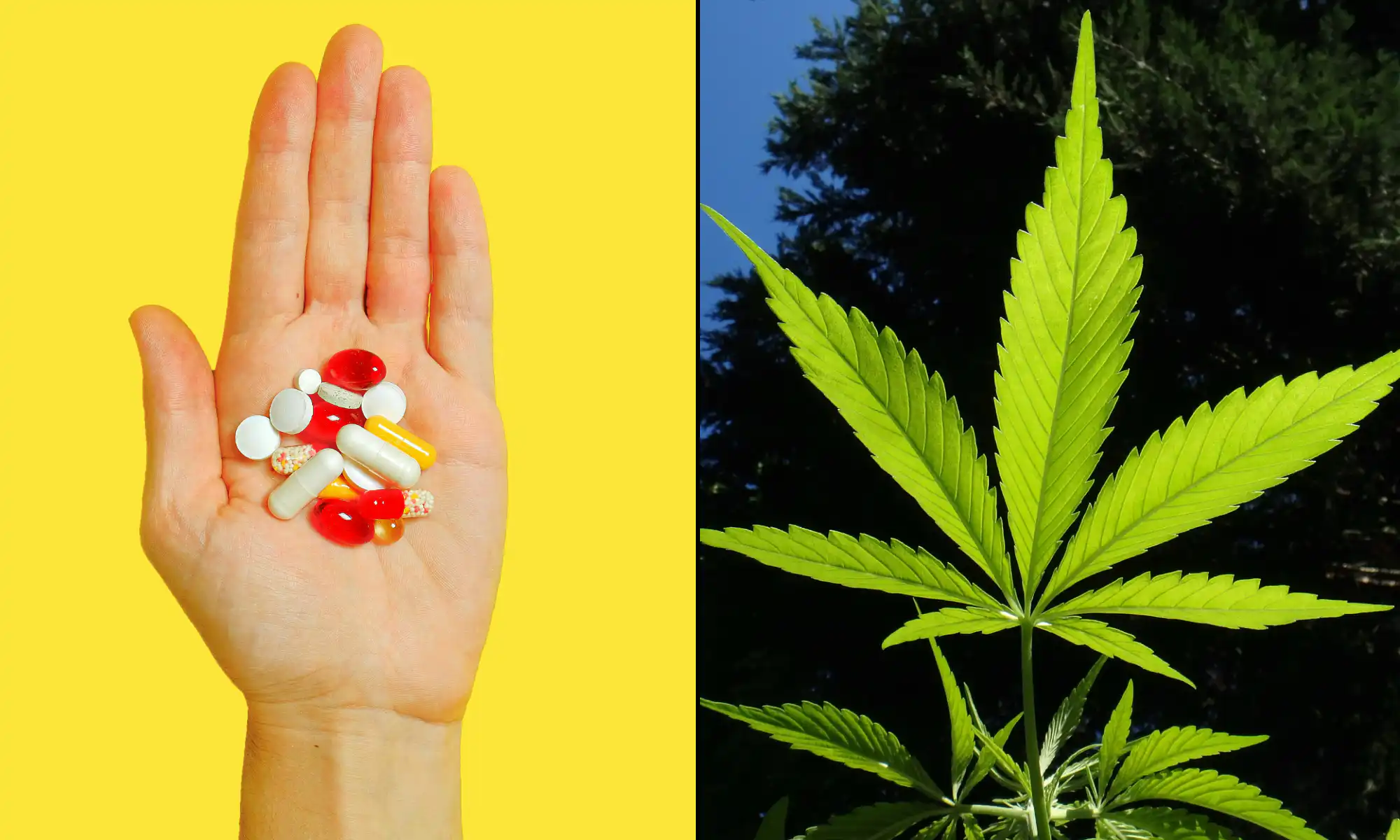
Using medical marijuana helps people who suffer from lower pain significantly reduce their opioid use as well as experience lower pain intensity and functional disability, according to a new study that involved hundreds of patients.
Researchers with Tel Aviv University, Rabin Medical Center and Clalit Health Services in Israel enrolled 1,000 patients with chronic low back pain (CLBP) who had previously never used cannabis and tracked their pain, disability status and medication usage annually for a period of 10 years at a specialized orthopedic pain clinic.
After a decade, opioid use, measured in morphine milligram equivalents, “decreased substantially” by 90 percent.
“Opioid reduction was rapid in the first year and remained stable through Year 10,” the researchers wrote.
Pain intensity also dropped by 84 percent, and functional disability was reduced by 30 percent.
The study, published in the European Spine Journal, also looked at how many patients achieved significant pre-specified thresholds for the outcome measures.
For reduced opioid use, 91 percent of patients met the target of at least 50 percent reduction in opioid use.
The goal of 30 percent of greater reduction on a pain intensity scale was achieved by 62 percent of participants. Sixty-two percent of patients reached the targeted decrease in functional disability scores of 10 points or more on a standardized scale.
“Medical cannabis therapy was associated with reductions in opioid use, pain intensity, and functional disability over 10 years, accompanied by polypharmacy reduction and acceptable tolerability.”
There was also a “substantial” reduction in use of other non-opioid medications among patients who completed the study.
“Tramadol/tapentadol use decreased from 89.7% to 5.6% (−84.0% points), benzodiazepines from 78.8% to 5.3% (−73.5 pp), SSRIs from 77.7% to 5.8% (−71.9 pp), and gabapentinoids from 31.3% to 0.6% (−30.7 pp),” the study said. “These reductions were clinically driven rather than protocol-mandated, reflecting individual physician-patient decisions based on symptom response. The pattern of polypharmacy reduction paralleled opioid reduction, occurring primarily in the first 2 years.”
The reduction in use of several different kinds of medications suggests that “medical cannabis may address multiple symptom domains simultaneously,” the researchers wrote.
“Chronic pain patients frequently require polypharmacy to manage pain, sleep disturbance, anxiety, and depression, each of which carries risks of adverse effects and drug interactions,” the said.
Participants in the study used marijuana products that included dried flower for vaporization and cannabis oils for oral/sublingual administration. There was some patient drop off as the study went on, and 638 of the 1,000 who enrolled ended up completing the final follow-up observation.
The researchers cautioned that the single-arm observational nature of the study means that causality cannot be inferred. They also noted that the size of the reductions in the outcome measures in the study “substantially exceeded” those from previously published randomized controlled trials, suggesting that “observational biases contribute to these findings.”
Nonetheless, they said their study is the “longest follow-up of medical cannabis therapy specifically in CLBP patients and demonstrates sustained, clinically meaningful improvements exceeding pre-specified [minimal clinically important difference] thresholds for opioid reduction, pain relief, and functional disability.”
“In this 10-year single-arm observational study, medical cannabis therapy was associated with reductions in opioid use (−89.8%), pain intensity (−84.2%), and functional disability (−30.4%), with high proportions of patients achieving pre-specified MCID thresholds,” the study concluded. “Substantial polypharmacy reductions and acceptable tolerability were observed.”
This is far from the only study supporting the efficacy of marijuana in the treatment of pain—nor is it the first to suggest cannabis can serve as a substitute for conventional therapies such as opioids.
A study published earlier this year found that medical cannabis use by people with chronic lower back pain leads to “large, sustained, and statistically robust improvements.”
In April, a study found that using medical marijuana appears to help people reduce the use of other medications, including opioids, sleeping aids and antidepressants. They also experience far fewer negative side effects after switching to cannabis from prescription drugs, the study involving more than 3,500 patients determined.
About one in three Americans who use CBD say they take it as an alternative or supplement to at least one medication—particularly painkillers—according to a federally funded study published in February.
Similarly, another recent federally funded study, published by the American Medical Association (AMA), added more evidence that marijuana can serve as an effective substitute for opioids in chronic pain treatment.
Other AMA-published research has found that legalizing marijuana for medical or recreational purposes is “significantly associated with reduced opioid use among patients diagnosed with cancer.”
A separate paper published last year similarly found that medical marijuana legalization is “associated with significant reductions in opioid prescribing.”
In August, meanwhile, Australian researchers published a study showing that marijuana can serve as an effective substitute for opioids in pain management treatment.
Another study published last year in the journal Drug and Alcohol Review found that, among drug users who experience chronic pain, daily cannabis use was linked to a higher likelihood of quitting the use of opioids—especially among men.
Other research also found that legalizing medical cannabis appeared to significantly reduce monetary payments from opioid manufacturers to doctors who specialize in pain, with authors finding “evidence that this decrease is due to medical marijuana becoming available as a substitute” for prescription painkillers.
Further research also showed a decline in fatal opioid overdoses in jurisdictions where marijuana was legalized for adults. That study found a “consistent negative relationship” between legalization and fatal overdoses, with more significant effects in states that legalized cannabis earlier in the opioid crisis. Authors estimated that recreational marijuana legalization “is associated with a decrease of approximately 3.5 deaths per 100,000 individuals.”
“Our findings suggest that broadening recreational marijuana access could help address the opioid epidemic,” that report said. “Previous research largely indicates that marijuana (primarily for medical use) can reduce opioid prescriptions, and we find it may also successfully reduce overdose deaths.”
Another recently published report into prescription opioid use in Utah following the state’s legalization of medical marijuana found that the availability of legal cannabis both reduced opioid use by patients with chronic pain and helped drive down prescription overdose deaths statewide. Overall, results of the study indicated that “cannabis has a substantial role to play in pain management and the reduction of opioid use,” it said.