Politics
San Francisco Officials Propose Rules For Cannabis Cafes Where People Could Consume While Listening To Live Music And Ordering Food

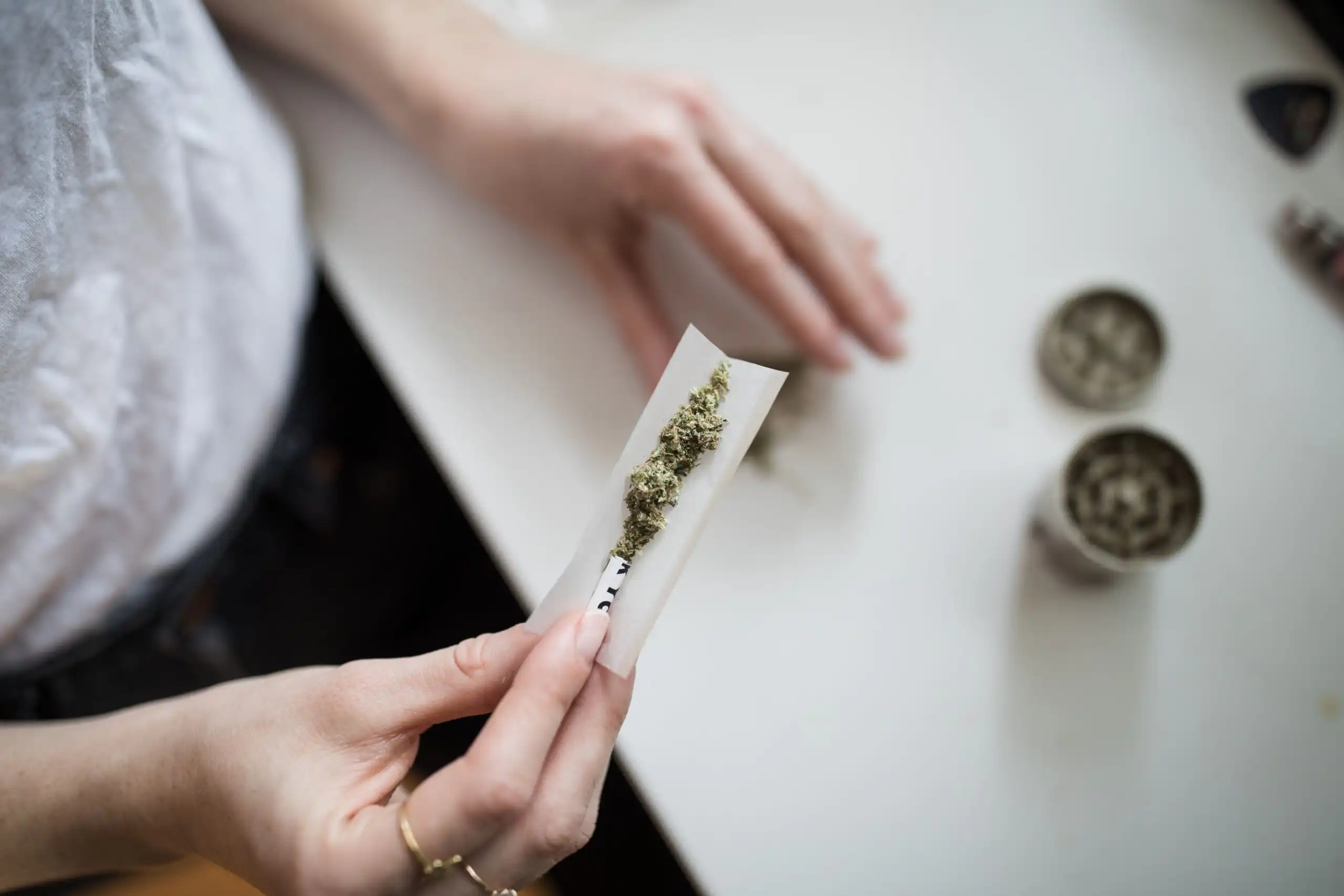
San Francisco officials are seeking public input on newly released draft rules for cannabis cafes in line with a California state law enacted last year that authorizes local governments to let marijuana retailers to expand their services.
In July, the city’s Board of Supervisors and mayor approved an ordinance to let marijuana dispensaries serve food and drinks inside their on-site consumption areas. On Friday, the city’s Office of Cannabis posted proposed regulations for how those cannabis cafes will operate.
The draft rules touch on operations plans, employee training, security, deliveries, inventory control and access for medical cannabis patients.
Public feedback is being accepted through September 25.
In late 2024, Gov. Gavin Newsom (D) signed AB 1775, allowing marijuana businesses to offer non-cannabis food and non-alcoholic beverages and host live events such as concerts in their on-site cannabis consumption areas if they get permission from their local government.
The new law officially took effect last January, but it has taken months for local officials in San Francisco and other cities to begin enacting their own ordinances to lay out the rules for how cannabis cafes can operate.
Under the San Francisco proposal, a business would need to obtain a new Cannabis Café Permit as well as a Cannabis Consumption Permit.
Businesses would need to implement written procedures “designed to discourage customers from removing cannabis products intended for on-site consumption from the designated consumption area” or the overall premises.
There would be some restrictions on the name of cannabis cafes, barring those that would be likely to “mislead members of the public into believing cannabis products may legally be sold to persons under 21 years of age” or that would entice minors to attempt to patronize the businesses.
Dispensaries would need to maintain accommodations for medical cannabis patients, which may include providing an area where the can communication confidentially with employees and maintaining an adequate supply of medical marijuana products.
Written comments on the proposed cannabis cafe rules can be sent by email to [email protected] or via mail or in person to Office of Cannabis; 49 South Van Ness; Suite 660; San Francisco, CA 94103.
City officials separately released proposed rules changes to incorporate cannabis cafes into the existing Good Neighbor Policy for marijuana businesses.
They also posted new resources for businesses to check their eligibility to open a cannabis cafe, as well as bulletin and a FAQ on the issue.
Prior to signing the current cannabis cafe law, Newsom vetoed a prior version of the bill, saying that while he appreciated that the intent was to “provide cannabis retailers with increased business opportunities and an avenue to attract new customers,” he felt “concerned this bill could undermine California’s long-standing smoke-free workplace protections.”
To that end, the measure as enacted contains changes to create separation between public consumption spaces and back rooms of businesses where food is prepared or stored in order to better protect the health of workers in line with the governor’s concerns.
The law makes explicitly clear that hemp-based food items or drinks are not considered “non-cannabis” products that could be sold at the cafes. It also says that non-cannabis items “shall be stored and displayed separately and distinctly from all cannabis and cannabis products present on the premises.”
The legislation also allows live musical or other performances on the premises of a cannabis retailer in areas where on-site consumption is allowed.
Ahead of the governor’s signing of the measure, actor Woody Harrelson—who owns a marijuana lounge in West Hollywood called The Woods, alongside co-founders comedian Bill Maher and tennis star John McEnroe—called for its enactment. Whoopi Goldberg also joined in that push, with a video encouraging the governor to sign it.
Earlier this month, Newsom announced that legal marijuana sales have generated nearly $8.4 billion in tax revenue for California communities since voters approved adult-use legalization in 2016.
He also recently signed legislation to more clearly define the types of marijuana packaging and labeling that is prohibited due to appealing to children.
The governor recently took credit for helping to lead the push for the state to legalize marijuana and discussed his own limited experience with using cannabis.
Last October, however, he vetoed a bill that would have allowed certain marijuana microbusinesses to ship medical cannabis products directly to patients via common carriers like FedEx and UPS, stating that the proposal “would be burdensome and overly complex to administer.”
Newsom did sign a bill earlier that month aimed at streamlining research on marijuana and psychedelics.
—
Marijuana Moment is tracking hundreds of cannabis, psychedelics and drug policy bills in state legislatures and Congress this year. Patreon supporters pledging at least $25/month get access to our interactive maps, charts and hearing calendar so they don’t miss any developments.
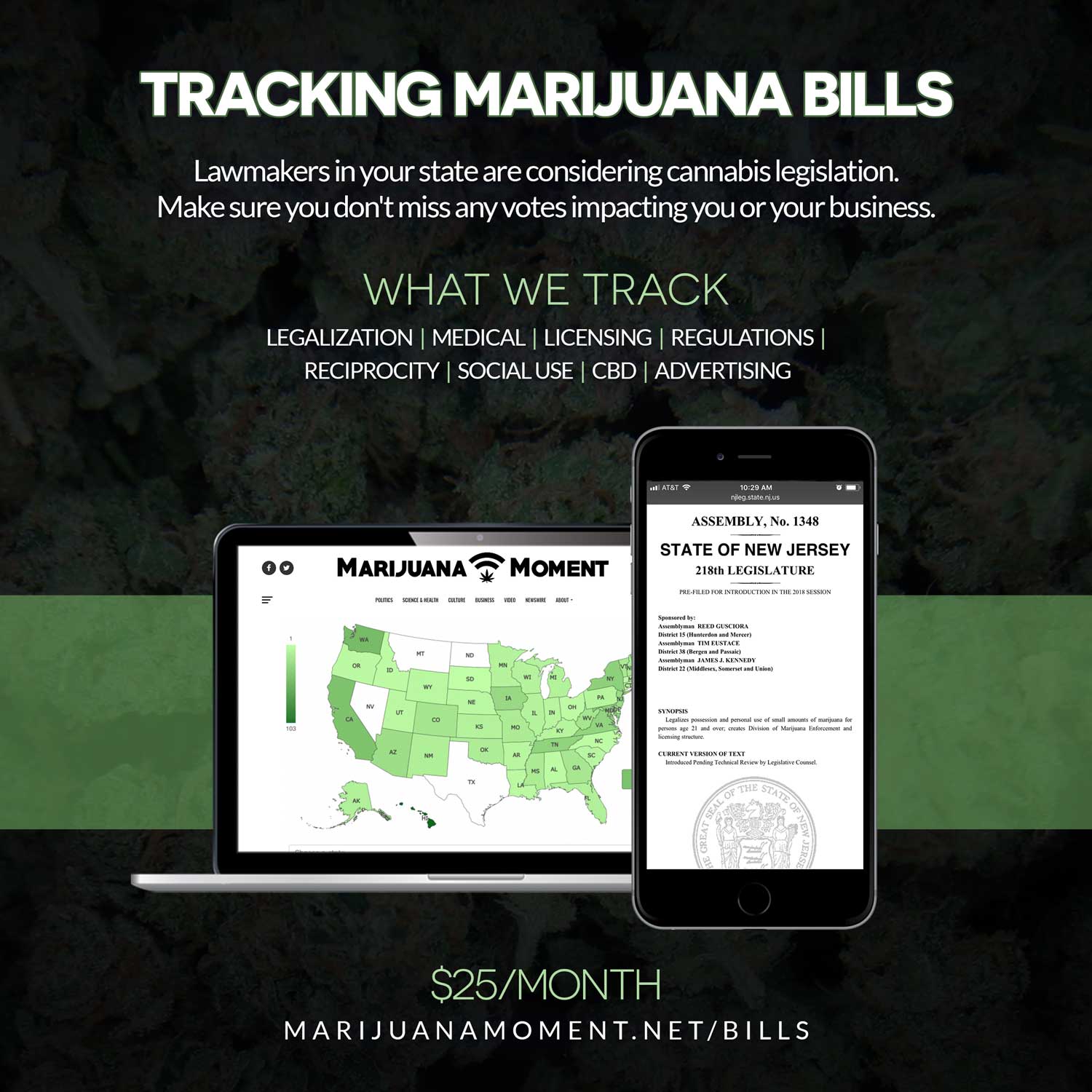
Learn more about our marijuana bill tracker and become a supporter on Patreon to get access.
—
Last September, the governor also signed a measure into law to put a pause on a recently enacted tax hike on marijuana products.
Meanwhile, a lawmaker spoke to Marijuana Moment about her decision to put her own bill to legalize cannabis dispensary drive-thru windows on hold for now.
California’s treasurer recently said the marijuana legalization law that voters approved a decade ago has been a “complete failure” and should be replaced with a new ballot initiative that prioritizes consumers and small businesses.
Republican gubernatorial candidate Steve Hilton, who is endorsed by President Donald Trump, recently told Marijuana Moment that taxes and regulations on cannabis are “too high.”