Politics
More People Are Denied Gun Permits Over Medical Marijuana In Hawaii Than For Any Other Reason, Attorney General’s Report Shows

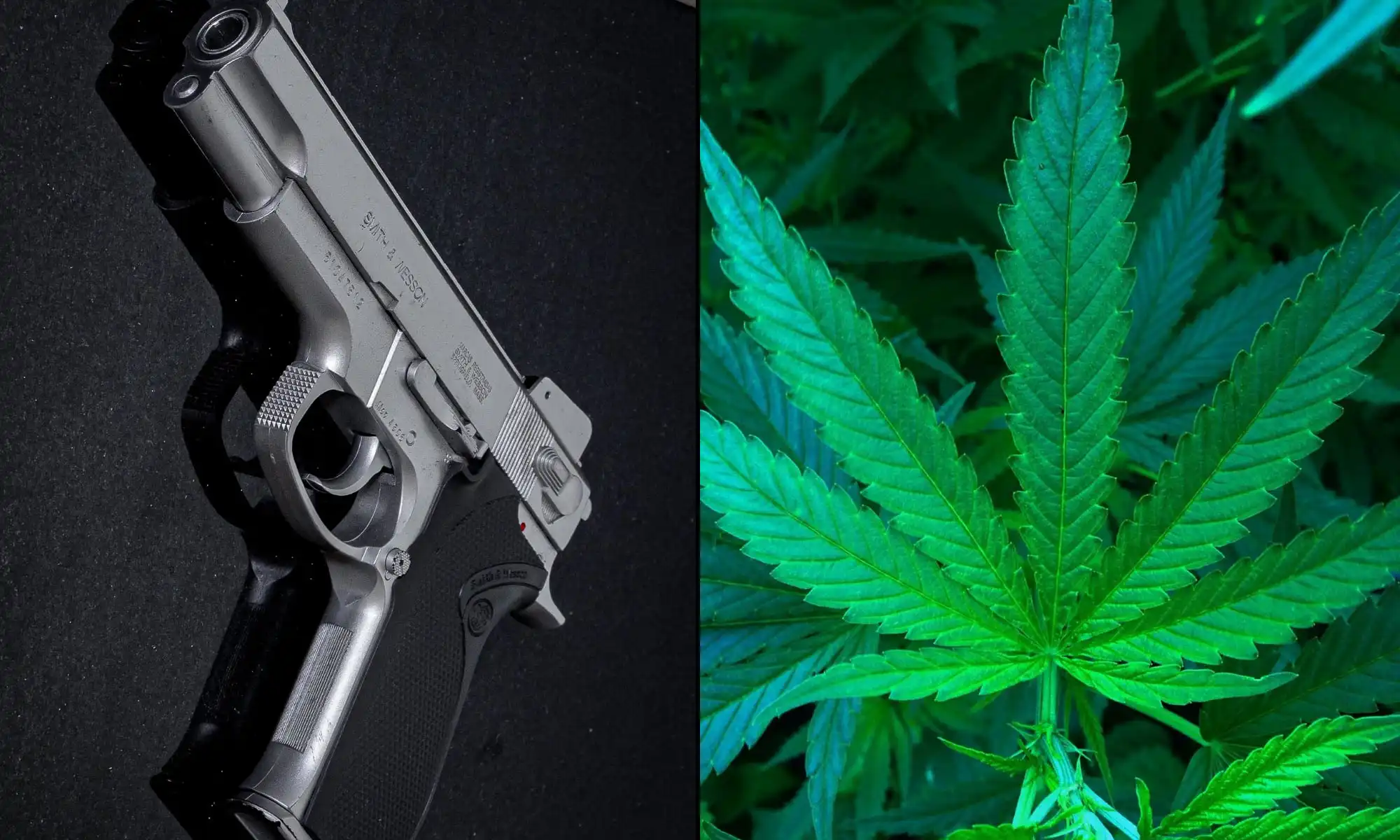
More than a quarter of the gun permit applications that Hawaii officials denied last year were due to the applicants’ status as medical marijuana patients, the state attorney general’s office says.
The annual “Firearms Registration in Hawai’i” report, published last month, shows that of the 163 firearms permit applications that were rejected in 2025, 47 (28.8 percent) were denied due to medical cannabis.
Medical marijuana was the leading cause of denials, ahead of mental health issues, domestic violence or other criminal offenses. Another 13 gun permit applications, or 8 percent of all rejections, were due to drug offenses.
The applicants that were rejected for medical cannabis includes current as well as some former patients, as “police departments allow former patients to apply for firearm permits no less than one year after the expiration of their medical marijuana card,” the report says.
Medical marijuana patient status has consistently been a leading cause of gun permit denials in Hawaii. The attorney general’s office reported, for example, that 41 percent of rejections in 2023 were due to medical cannabis.
The new Hawaii data comes amid several important federal developments concerning marijuana consumers’ gun rights.
The Bureau of Alcohol, Tobacco, Firearms and Explosives this month posted a proposed revised version of Form 4473, which must be filled out by anyone purchasing a gun from a federally licensed firearms dealer, to acknowledge the federally legal status of medical marijuana under the Trump administration’s recent move to reschedule the drug.
Separately last month, Acting Attorney General Todd Blanche suggested that the Trump administration may soon stop aggressively defending 922(g)(3), the federal law that criminalizes gun possession by people who consume marijuana and other illegal drugs.
In March, however, the Trump administration argued before the U.S. Supreme Court that the federal law barring cannabis consumers from owning guns is constitutional under the Second Amendment.
And last month, Solicitor General D. John Sauer sent the justices a letter saying that the Trump administration’s move to federally reschedule marijuana should not impact their decision in that case, U.S. vs. Hemani.
Meanwhile in Hawaii, legislation to legalize recreational marijuana stalled again this session.
Although Hawaii senators approved a bill to legalize low-dose and low-potency marijuana, the measure didn’t advance through required steps before a key deadline.
A separate marijuana legalization bill that contained provisions making the reform contingent on changes to federal law or the state Constitution, was deferred for action. Both Senate and House panels additionally deferred action on a measure to allow for the sale of certain hemp-derived cannabinoid products.
Those actions came after key House lawmakers signaled that cannabis legalization proposals would not be advancing in the 2026 session, citing a lack of sufficient support in their chamber.
The Hawaii Senate, however, passed a pair of resolutions calling on Congress to federally legalize marijuana, support state efforts to clear people’s conviction records and take steps to facilitate access to banking services for companies in the cannabis industry.
The Senate Health and Human Services Committee also adopted separate resolutions calling on the state attorney general and health department to request an exemption from the Drug Enforcement Administration (DEA) stipulating that Hawaii is permitted to run its medical cannabis program without federal interference.
A Hawaii Senate committee separately advanced legislation this year to allow patients to immediately access medical cannabis once their registrations are submitted, instead of having to wait until their cards are delivered as is the case under current law.
Meanwhile, legislation to create a psychedelics task force responsible for studying and making policy recommendations on providing access to breakthrough therapies such as psilocybin and MDMA also advanced this session, but was not enacted.
Legislation to allow qualifying patients to access medical marijuana at health facilities also moved ahead this year but fell short ahead of the adjournment of the session.