Science & Health
Federally Funded Cancer Study Highlights Need To Cover Medical Marijuana Under Insurance, Researchers Say

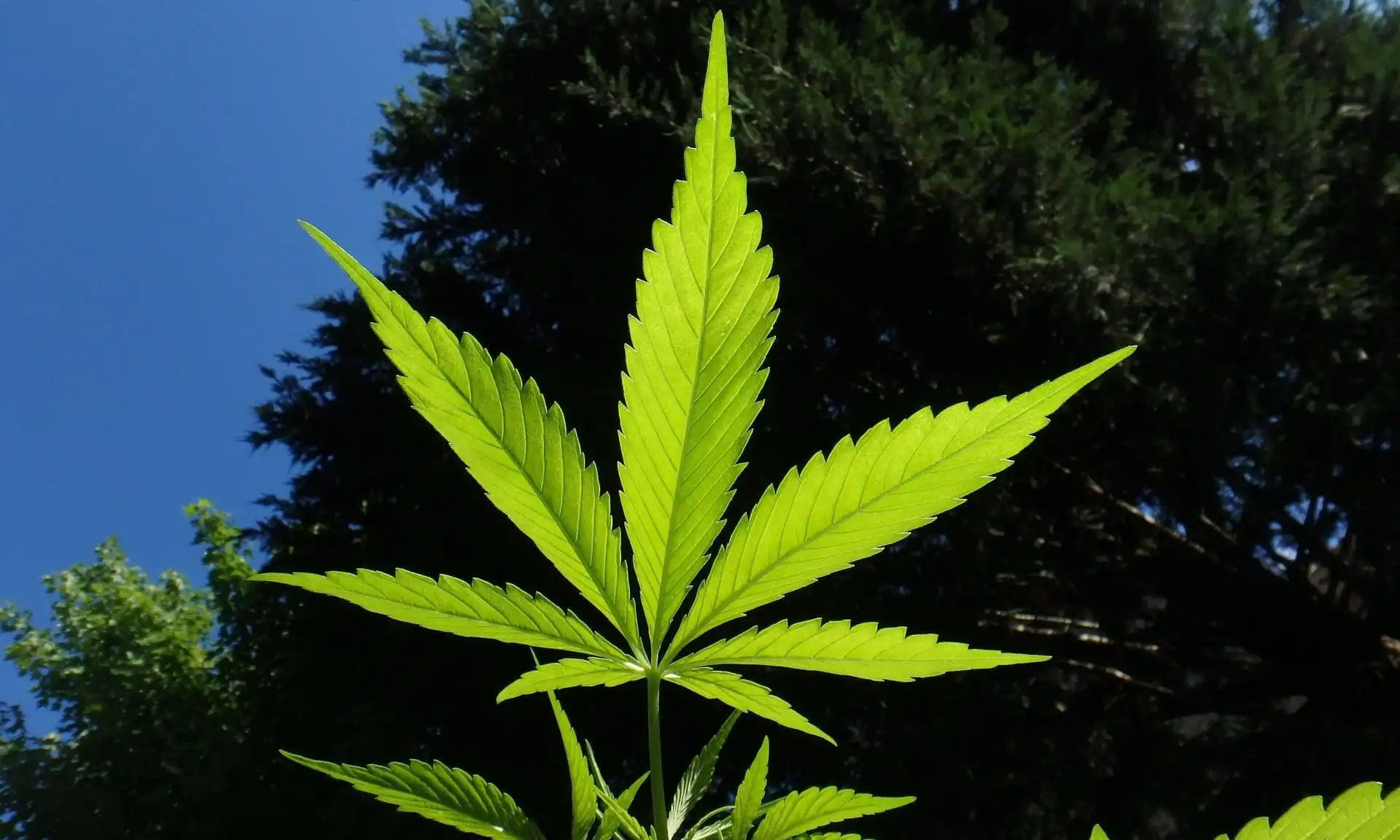
A new federally funded study sheds light on cancer patients’ use of medical marijuana and how symptom relief differs based on the THC and CBD content of the cannabis products they are using. Researchers said that the results, which also shed light on barriers to access such as high costs, underscore the “need for insurance coverage of medicinal cannabis.”
“Cannabis use conferred therapeutic benefits for several health issues commonly encountered by cancer patients,” the paper, published in the journal Frontiers in Psychiatry, said. “Common benefits reported across the cohort of patients included pain relief, improved sleep, physical relaxation, emotional regulation, and reduction of concomitant medication.”
Researchers at the University of Wisconsin, University of Pennsylvania, Johns Hopkins University and Realm of Caring Foundation surveyed 65 patients with cancer who use cannabis, asking about the types of products they consume, the perceived benefits on their symptoms and any negative impacts.
They then compared those who use CBD-dominant preparations only with those who used products containing both THC and CBD, finding that symptom relief differed between the two groups.
While “pain relief was the most frequently discussed benefit among all cancer patients” in the study, it was most prominent among those who used THC and CBD products—whereas “emotional regulation was more prominent in only the users of CBD-only products,” the researchers wrote.
“Pain relief, emotional regulation, sleep or physical relaxation, and medication reduction emerged as benefits experienced by cancer patients in both CBD-only and CBD+THC exposure groups.”
In addition to looking at what symptoms were relieved by cannabis, the study also examined the “interconnected nature” of perceived benefits between different symptoms and how those connections differed among patients who used CBD only as compared to those who also used THC products.
Pain relief, for example, was most strongly connected in the CBD-only group to emotional regulation, reduction in use of other medications, improvements in sleep or physical relaxation and appetite stimulation—in that order. For the group that also used THC, pain relief was most often connected, in descending order, to sleep or physical relaxation, emotional regulation, medication reduction and appetite stimulation.
For the CBD-only group, emotional regulation, sleep and physical relaxation were all strongly interrelated, which the researchers said “affirms existing literature showing that CBD reduces anxiety, improves mood, and promotes relaxation, possibly by modulating serotonin and anxiety-regulating pathways, including the hypothalamic-pituitary-adrenal axis.”
The study, which was funded by the National Cancer Institute, the National Institute on Drug Abuse and the Realm of Caring Foundation, also asked cancer patients about any difficulties in accessing cannabis.
“The most frequently reported barriers to cannabis use were the stigma associated with THC use and the high cost of CBD-dominant and THC-dominant products,” the researchers wrote. “This study highlights the continued perception of stigma associated with THC use and the need for insurance coverage of medicinal cannabis to reduce the financial burden for this patient population.”
The paper concluded by noting limitations of the study, such as its self-selection and self-report bias and that there was no laboratory verification of the products patients used.
“Future research with larger, more diverse samples should incorporate objective measures of cannabinoid efficacy and investigate long-term outcomes,” the researchers wrote. “Additionally, exploring the differential effects of specific cannabinoid formulations could refine therapeutic approaches. Future research should compare current versus former cannabis users and should ideally include a non-cannabis-using control group with a larger sample in a randomized trial.”
Overall, however, the current results showed that “pain relief was the most frequently discussed benefit and was associated with other benefits: emotional regulation, sleep or physical relaxation, and medication reduction.”
The research adds to a growing body of evidence showing that cancer patients and survivors are using cannabis to manage symptoms.
For example, a recent study found that nearly one in five cancer survivors say they’ve used CBD after getting their diagnosis—primarily to manage pain, sleep difficulties and emotional distress. And more than half of those who used it for specific symptoms reported at least some benefit.
Another recent study determined that medical marijuana extracts “meaningfully” improve cancer-related symptoms such as sleep difficulties and anxiety—though responses varied among patients depending on personal preferences for individual cannabinoid content of the extracts.
Researchers separately found that components of marijuana show “consistent and statistically significant anti-tumor effects” in certain types of cancer, including glioblastoma and breast cancer. The study also showed that cannabinoids seem to “enhance chemotherapy efficacy.”
Another systemic review concluded that studies “consistently show” that the CBD is a potential “anticancer agent across different cancer types”—and that effect applies to dogs as well as humans.
A similar analysis showed that CBD “holds substantial promise as an anti-tumor agent” in addition to its other anti-inflammatory properties.
Scientists explored CBD’s effect on many types of cancer—including some of the most aggressive ones, such as glioblastoma, which affects the brain. They also noted it can help suppressing the growth and metastasis of other cancers, including breast, lung, colorectal, ovarian and prostate, among others.
In 2025, a paper published in the journal Pharmacology & Therapeutics, assessed a range of clinical and preclinical findings that the efficacy of chemotherapy drugs can be enhanced by medical marijuana.
In a sign of greater acceptance of medical applications of cannabis, President Donald Trump’s choice to serve as the next White House drug czar has called medical marijuana a “fantastic” treatment option for seriously ill patients and said she doesn’t object to legalization, even if she might not personally agree with the policy.
Also last year, a study found that “patients with cancer using cannabis report significant improvements in cancer-related symptoms.”