Politics
California GOP Senator Suggests Putting Marijuana Back On The Ballot To ‘Reverse’ Legalization

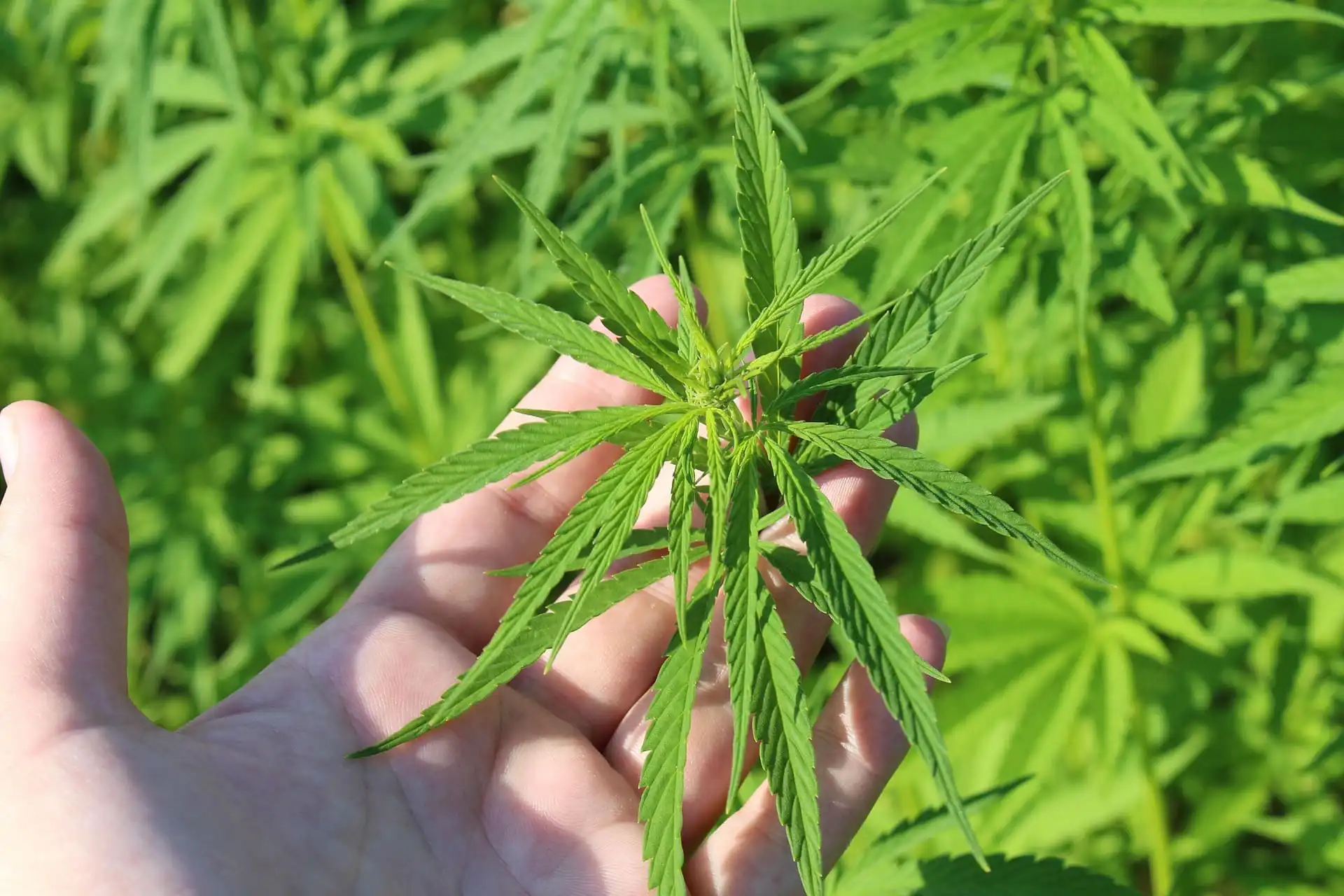
A California Republican senator says it is time to have a “serious discussion” about putting a measure on the ballot to potentially “reverse” legalization of marijuana in the state—also raising concerns about President Donald Trump’s move to reschedule cannabis at the federal level.
“I think it’s time to assess the effects, the significant unintended consequences of the legalization of marijuana, which has not just happened in California, but in other states too,” Sen. Roger Niello (R) said at a hearing of the Senate Business, Professions and Economic Development Committee last week.
“Now we can’t change it without going back to the people, but I think we should have a serious discussion, a serious analysis of the obvious…unintended negative consequences I don’t think that the writers of the proposition cared about,” he said as first reported by State Affairs, referring to the cannabis legalization ballot initiative that California voters approved in 2016. “I think these could have been predicted. They just wanted recreational use to be legalized.”
Niello raised concerns that “we’re even seeing our current president now advocating that by downplaying the classification of marijuana at the federal level.”
“We have seen significant negative consequences of this legalization, both here as well as in other states,” the senator, who was speaking at a hearing at which lawmakers approved a bill to legalize marijuana dispensary drive-thru windows in California, said. “I think it’s time for us to have a serious analysis of that, and whether or not we want to develop a proposition to go back to the voters and either reverse it or somehow reform it so that we don’t continually deal with the problems that we do.”
“I oppose the legalization of marijuana,” he said, citing data about cannabis use by young people and an alleged link to mental health problems and claiming that the 2016 reform was “written to please everybody” which resulted in a “dysfunctional policy that is bound for unintended consequences.”
Elsewhere in the U.S., marijuana legalization opponents are currently collecting signatures to put measures to roll back the reform in Maine and Massachusetts—though those anti-cannabis campaigns have faced accusations of misleading petitioning tactics.
A separate anti-marijuana effort in Arizona for a similar measure was dropped after its lead organizer said his initial concerns about the legal cannabis industry were misplaced.
—
Marijuana Moment is tracking hundreds of cannabis, psychedelics and drug policy bills in state legislatures and Congress this year. Patreon supporters pledging at least $25/month get access to our interactive maps, charts and hearing calendar so they don’t miss any developments.
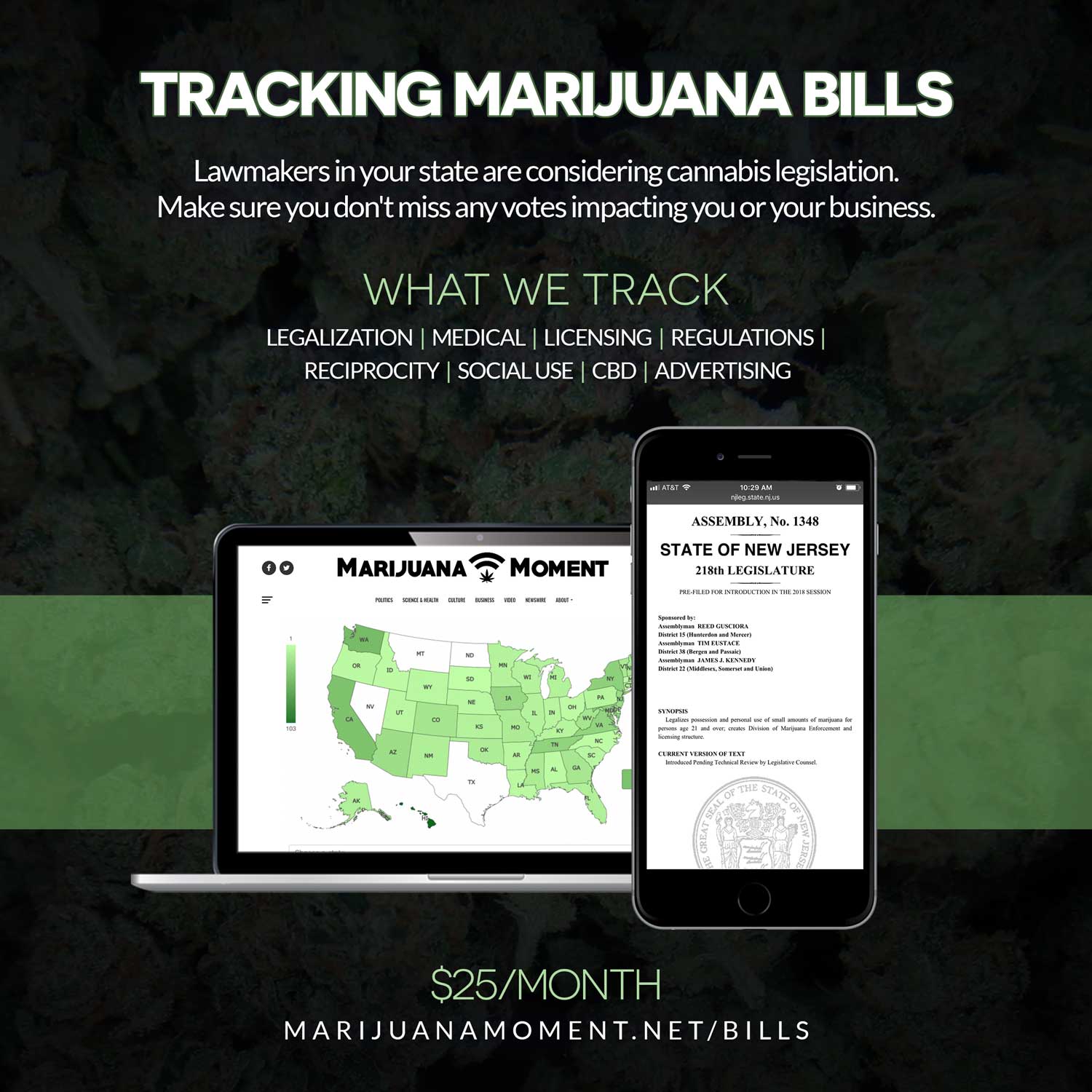
Learn more about our marijuana bill tracker and become a supporter on Patreon to get access.
—
Back in California, regulators recently adopted emergency rules changes for the state’s marijuana licensing process that are intended to make it easier for businesses to qualify for benefits in line with the Trump administration’s recent move to federally reschedule medical cannabis.
They also separately launched a new AI tool to help businesses identify marijuana product packaging may appeal to kids in violation of state rules.
Gov. Gavin Newsom (D), meanwhile, recently took credit for helping to lead the push for the state to legalize marijuana and discussed his own limited experience with using cannabis.
In October, however, Newsom vetoed a bill that would have allowed certain marijuana microbusinesses to ship medical cannabis products directly to patients via common carriers like FedEx and UPS, stating that the proposal “would be burdensome and overly complex to administer.”
Newsom did sign a bill earlier that month aimed at streamlining research on marijuana and psychedelics.
In September, the governor also signed a measure into law to put a pause on a recently enacted tax hike on marijuana products.
Separately, the state attorney general says Indian tribes cannot independently engage in marijuana commerce with licensed cannabis businesses without first obtaining their own commercial license from state officials.
California officials recently awarded nearly $30 million in grants for marijuana-focused academic research projects.