Politics
Wyoming Attorney General Blocks State Marijuana Rescheduling That Would Be Triggered By Trump’s Federal Reform

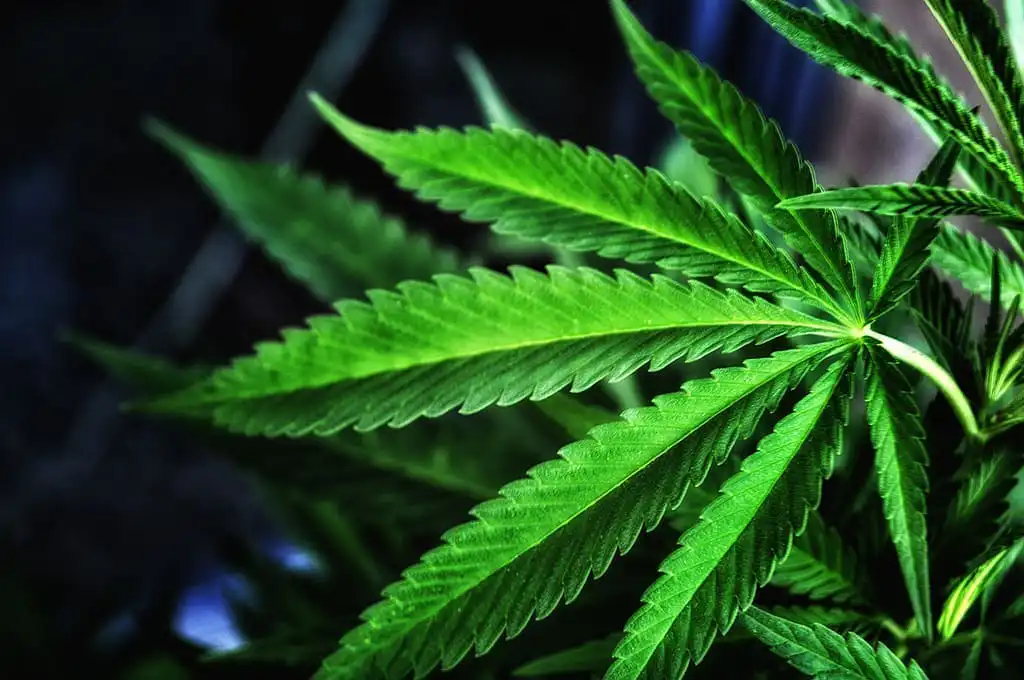
Wyoming’s attorney general has determined that the state will not reclassify marijuana under state law in line with a federal rescheduling move by the Trump administration.
“The Wyoming Legislature has not legalized medical marijuana, has not approved a state licensed medical marijuana regulatory scheme, or approved of recognizing any other state’s medical marijuana issued licenses,” Attorney General Keith Kautz (R) said on Tuesday. “Therefore, placing marijuana subject to a state medical marijuana license in Schedule III of the Wyoming Controlled Substances Act is inconsistent with the police powers exercised to date by the Wyoming Legislature.”
“The question of whether to remove any type of marijuana from Schedule I of the Wyoming Controlled Substances Act is for the Wyoming Legislature and should not be done through the administrative rule making process,” he said.
The legislature, however, previously enacted a law that says “if any substance is designated, rescheduled, or deleted as a controlled substance under federal law,” the commissioner of drugs and substances control “shall control the substance under this act in the same manner as federal law” within 30 days.
Under state law, the attorney general serves as the commissioner of drugs and substances control and can formally object to the automatic state rescheduling to prevent it from taking place, subject to a public hearing allowing “all interested parties an opportunity to be heard.”
Kautz convened a hearing in June to consider the issue, and also accepted public comments via email.
“The Commissioner received eight email comments. Four of the comments expressed support of leaving medical marijuana and marijuana products on Schedule I of the Wyoming Controlled Substances Act. Four of the comments supported placing marijuana and medical marijuana on Schedule III of the Wyoming Controlled Substances Act. One person appeared in person at the hearing and provided testimony requesting that the Commissioner leave all marijuana on Schedule I of the Wyoming Controlled Substances Act. All of the comments—both email and in person—were rooted in the important policy considerations surrounding the legalization of marijuana and marijuana products.”
The attorney general also noted that “all marijuana products currently approved by the United States Food and Drug Administration are already scheduled consistent with the federal Controlled Substances Act,” citing prescription medications such as dronabinol, Cesamet and Epidiolex. “The Commissioner will continue to appropriately control individual substances as they are approved by the United States Food and Drug Administration.”
“After considering all of the comments from interested parties, the Commissioner has determined that all marijuana products, including marijuana subject to a state medical marijuana license, shall remain on Schedule I of the Wyoming Controlled Substances Act,” Kautz’s announcement says. “This decision is final unless altered by statute.”
Under an order issued by U.S. Acting Attorney General Todd Blanche in April, marijuana products regulated by a state medical cannabis license immediately moved from Schedule I of the Controlled Substances Act (CSA) to Schedule III, as did any marijuana products that are approved by the Food and Drug Administration (FDA).
An administrative hearing now underway is considering broader cannabis rescheduling, including for recreational products.
In Wyoming, activists have sough unsuccessfully to put initiatives to legalize medical cannabis and decriminalize marijuana possession on the ballot.
State lawmakers have also considered legislation on the issue, but Wyoming remains one of only a handful of states without any legal medical marijuana access.
In 2022 the Wyoming House speaker filed a bipartisan decriminalization bill to remove criminal penalties for possessing small amounts of cannabis and replace the state’s current misdemeanor charge with a $100 fine. But that legislation did not receive a vote despite support from top GOP lawmakers.
A bill to legalize and regulate cannabis for adult use in Wyoming advanced out of a House committee in 2021, but it did not move further by the end of that session.
A poll released in 2020 found that 54 percent of Wyoming residents supported allowing adults in the state “to legally possess marijuana for personal use.”
Meanwhile, other states that also don’t have comprehensive medical cannabis programs are also grappling with changes to state marijuana laws that could be trigged by the federal rescheduling action.
A GOP senator in South Carolina, for example, said that “medical marijuana is now legal” in the state under a trigger law.
In May, the governing body of the Alabama Department of Public Health voted to object to federal rescheduling of marijuana after health officials said they need more time to determine how to implement a change on the state level.
Tennessee Gov. Bill Lee (R), meanwhile, signed legislation this session to block an automatic review that could have potentially legalized medical marijuana under state law following the federal rescheduling of the drug.
Photo courtesy of Carlos Gracia.