Politics
Virginia Governor Signs Marijuana Resentencing Bill After Lawmakers Rejected Her Amendments

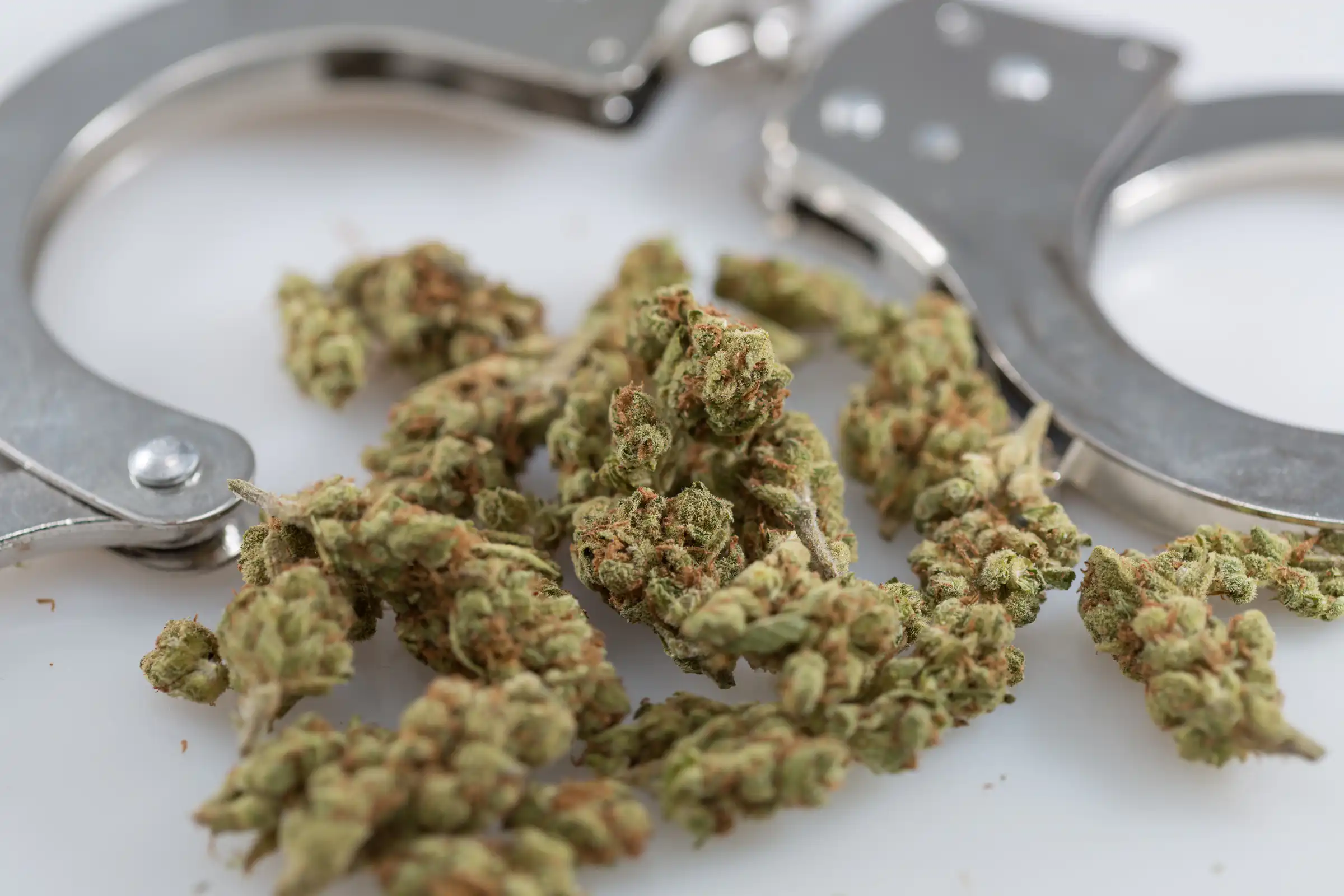
Virginia’s governor has signed legislation to provide resentencing relief for people with past marijuana convictions—even after lawmakers declined to adopt her proposed amendments to the legislation that would have significantly scaled back the scope of the reform.
Gov. Abigail Spanberger (D) gave final approval to the bills, HB 26 from Rozia Henson, Jr. (D), and SB 62 from Senate President Pro Tem Louise Lucas (D), on Thursday.
“As laws have changed in Virginia, it is important to ensure that those who have been previously convicted of offenses under since-changed laws receive fair treatment and sentencing review. My administration will work to ensure this process is implemented effectively across the Commonwealth,” Spanberger said in a press release. “For decades, marijuana enforcement disproportionately impacted minority communities and communities of color, contributing to inequities in the criminal justice system that Virginia must no longer ignore.”
Henson said that “for too long, Virginians have remained behind bars for conduct the Commonwealth no longer treats as a crime.”
“That changes now. After years of similar efforts being blocked under the previous administration, Virginia now has a process to revisit cannabis sentences that no longer reflect current law; families who have been waiting will finally have a path home,” he said. “Marijuana enforcement fell hardest on Black Virginians and communities of color for decades. This law begins to right that wrong; the Commonwealth still has work to do. Virginia made a promise when it legalized cannabis. Today, we kept it.”
Separately, lawmakers and advocates are awaiting the governor’s action on separate legislation to legalize recreational marijuana sales after her proposed amendments were similarly rejected by the House and Senate last month. The suggested changes to that legislation included delaying the start date for sales by six months, increasing taxes and instituting new criminal penalties for cannabis consumers.
The resentencing reform, meanwhile, creates a process by which people who are incarcerated or on community supervision for certain felony offenses involving the possession, manufacture, selling or distribution of marijuana will receive an automatic hearing to consider modification of their sentences.
Spanberger last month had sent lawmakers suggested amendments that would have required affected persons to proactively file petitions to get the relief instead of having courts proceed automatically. The Senate and House of Delegates, however, declined to take up the proposal, effectively rejecting it and sending the original legislation back to Spanberger’s desk.
Henson, the sponsor of the House version of the bill, had said he was willing to accept the governor’s changes even if he worried that it would mean that some people with cannabis convictions would “fall through the cracks simply because they lacked a lawyer or did not know to ask.”
The full legislature did not agree to the changes, however, and now HB 26 and SB 62 as originally passed have been enacted into law.
The relief will apply to people whose convictions or adjudications are for conduct that occurred prior to July 1, 2021, when a state law legalizing personal possession and home cultivation of marijuana went into effect. State and local corrections officials will be required to identify and notify eligible people of their rights for resentencing relief and then work with courts to schedule hearings automatically.
Henson said last month that the resentencing legislation was “built for the people still paying the price for something Virginia has since made legal.”
“If the commonwealth changed the law, it has an obligation to revisit the consequences still being borne by people convicted under the old one,” he said.
The governor’s office claimed in a press release when she proposed her amendments that they “clarify that under no circumstances would reconsideration be allowed for violent offenses that remain illegal in Virginia—from armed burglary to firearm possession to distribution of fentanyl, heroin, and other dangerous drugs.”
But Henson said that while he shares “the governor’s commitment to ensuring that violent offenders are not eligible for this relief; and that commitment is reflected in the bill itself, which already excluded individuals convicted of acts of violence under Virginia law.”
Spanberger’s release last month did not make any mention of her major actual change to the bill, which is to remove its provisions for automatic relief for people with cannabis convictions.
The governor’s amendment also proposed to remove deadlines for court hearings on resentencing relief.
Similar legislation was approved by lawmakers last session but it was vetoed by then-Gov. Glenn Youngkin (R).
Cannabis reform advocates praised the governor’s decision to ultimately sign the resentencing bill.
“Today, we celebrate the work it took to get here to support the over 1,200 people that can receive relief from this bill,” Chelsea Higgs Wise, executive director of Marijuana Justice, said. “People still incarcerated and on probation for past offenses will now have more opportunities for freedom.”
Stephanie Shepard, executive director of Last Prisoner Project, said that “justice in Virginia moved forward today.”
“I served a ten-year sentence in federal prison for a first-time, nonviolent cannabis offense,” she said. “I know what it means to lose birthdays, holidays, and everyday moments with the people you love because of outdated cannabis policies. This new law will give eligible Virginians a real chance for justice in the state’s legal system.”
Separately, Spanberger signed several other reform bills last month—including measures to protect the parental rights of marijuana consumers and allow patients to access medical cannabis in hospitals.
Cannabis policy reform advocacy organizations, meanwhile, sent a letter earlier this month urging the governor to allow the adult-use marijuana sales bill to take effect.