Politics
Too Many People On Probation And Parole Still Can’t Use Medical Marijuana, Even Under Federal Rescheduling And State Legalization (Op-Ed)

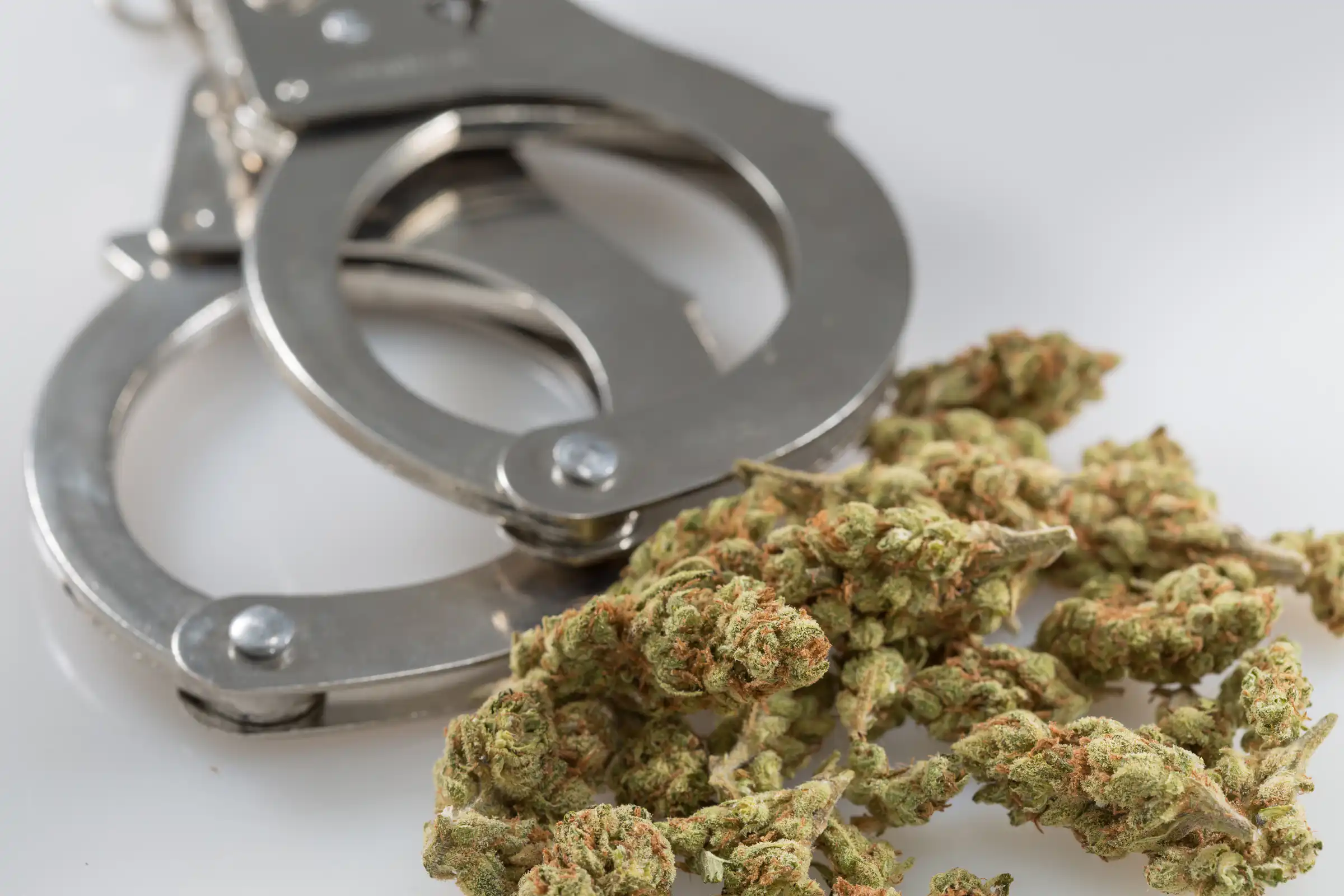
“Because marijuana use remains illegal under federal law, standard supervision conditions may prohibit consumption.”
By Sephria Reynolds-Tanner, Reason Foundation
Medical marijuana is legal in 47 states, the District of Columbia and three U.S. territories. Yet for millions of Americans on probation or parole suffering from qualifying conditions like chronic pain, post-traumatic stress disorder and anxiety, that legalization is worth very little in practice. In many states, people on probation and parole are forbidden to use medical marijuana, even when legally recommended by a physician.
It’s an oversight that state lawmakers need to address.
Nearly four million adults in the United States are on probation or parole, almost double the number of people held in jails and prisons combined. Because marijuana use remains illegal under federal law, standard supervision conditions may prohibit consumption. A positive drug test can trigger a violation of probation or parole and result in jail or prison time.
In 2023, states collectively spent an estimated $3 billion re-incarcerating people for “technical violations,” such as missing a check-in appointment or failing a drug test. The exact share attributable to marijuana-related test failures is unknown because agencies do not collect substance-specific violation data. But, because marijuana is the most commonly used controlled substance and remains detectable in urine for up to 30 days, that share is likely substantial.
This problem for patients is rooted in marijuana’s Schedule I designation under the federal Controlled Substances Act, which deems it to have “no currently accepted medical use.”
But even the federal government is changing its position. Last year, President Donald Trump ordered the attorney general to expedite rescheduling marijuana to Schedule III. In April, then-Acting Attorney General Todd Blanche issued a final order moving Food and Drug Administration-approved and state-licensed medical marijuana to Schedule III, while setting an expedited hearing on broader rescheduling that ran through July 15, with a formal recommendation still pending.
Federal rescheduling at least removes the primary legal justification agencies and courts have used to strip those under community supervision of legal access to medical marijuana. Yet, federal rescheduling will not fix the problem for people under state supervision who need medical marijuana. Most states independently schedule marijuana in their own drug laws, and supervision conditions that prohibit marijuana specifically need to be revised.
Courts in Arizona, Pennsylvania and Michigan have already struck down state bans on people under supervision using medical cannabis, with judges ruling that the immunity granted by state medical marijuana legalization does not simply disappear because someone is placed on probation.
Legislatures in Connecticut, New York, Minnesota, Missouri and Colorado have also taken steps to harmonize their supervision systems with medical marijuana legalization, enacting laws to allow those under supervision to participate in medical marijuana programs.
Corrections agencies in Washington, Florida and Minnesota have implemented administrative policies to do the same, creating a system to verify registration with medical marijuana programs and maintain oversight without categorical prohibition.
But for those under supervised release in many other states, re-incarceration is still a risk if they use doctor-recommended cannabis.
Probation and parole officers do not prohibit people under supervision from taking prescribed controlled substances like Adderall, Xanax or OxyContin. Standard probation conditions include carve-outs that permit the use of prescribed drugs, managing risks through documentation, monitoring and clinical intervention when problems arise.
States should extend the same framework to medical marijuana: Verify the recommendation, document it in the case files and treat it like any other prescribed medication rather than an automatic violation that can lead to reincarceration.
The states that have legalized medical marijuana have already made the policy decision that patients with qualifying conditions deserve access to physician-recommended treatment without criminal penalty. Supervision systems in those same states should reflect the intent of medical marijuana laws and protect patients.
Sephria Reynolds-Tanner is a criminal justice and drug policy analyst at Reason Foundation and a former probation and community corrections officer in Washington state. She is the author of Medical Cannabis Access Under Probation and Parole: Removing Barriers to Doctor-Recommended Treatment.