Politics
Indiana Is ‘More Likely’ To Legalize Marijuana Now That It’s Been Federally Rescheduled, Governor Says

“You’ve got to take what’s evolved over time. [If you] stick your head in the sand, you’re generally going to make the wrong decision.”
By Leslie Bonilla Muñiz, Indiana Capital Chronicle
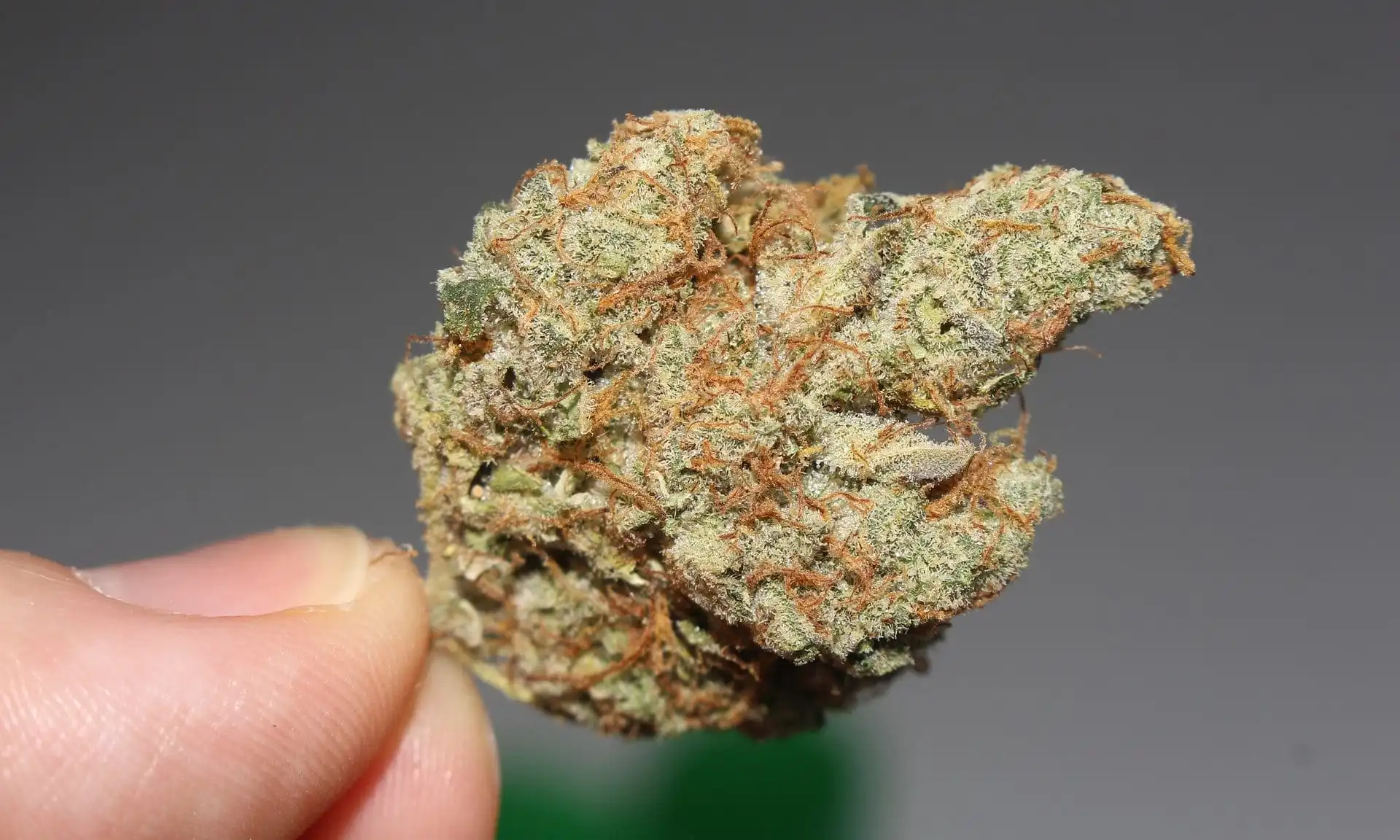
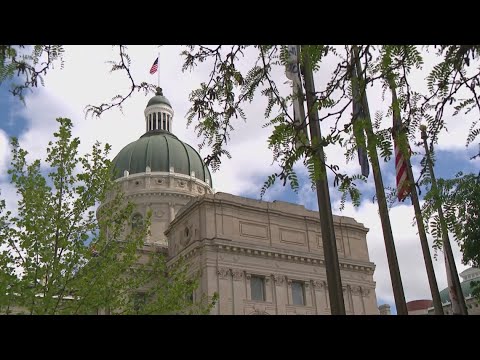
Indiana Gov. Mike Braun (R) has signaled a growing willingness to legalize marijuana, noting the Hoosier State is “surrounded” by states that have legalized the drug to some degree.
Illinois, Michigan and Ohio allow recreational use, while Kentucky has authorized medicinal.
“I’m going to do what makes sense,” Braun told reporters Tuesday. “I’ve said law enforcement will be important. I’ve been talking to them, and now, the amount of traffic that crosses the border, you know, it’s noticeable. So, all of that will be taken into consideration.”
President Donald Trump’s administration this week rescheduled medical marijuana—subject to a state license—to a less restrictive category, but kept recreational use in the list of drugs with the highest potential for abuse. But the administration has also kicked off an expedited administrative hearing process to consider reconsider that classification.
“I think the fact that the feds made that move, that makes it more likely,” Braun said.
“You’re going to need to ask the legislators and the leaders in those two chambers to see what they’re thinking, because I’m clear in terms of where I’m at,” he continued. “You’ve got to take what’s evolved over time. [If you] stick your head in the sand, you’re generally going to make the wrong decision.”
As a gubernatorial candidate in 2024, Braun said he was possibly willing to consider allowing medical-use sales, but not recreational, Fox59 reported.
The governor’s comments on Tuesday came shortly before the release of a study on the current status of marijuana and other intoxicating cannabinoids in Indiana, and another study on considerations for marijuana regulations if the state did decide to ease up on the drug.
The pair of reports were conducted by RAND on behalf of the Richard M. Fairbanks Foundation, which seeks to advance health, education and more in the city of Indianapolis.
Emi Whitesell, the vice president of impact and evaluation, said Fairbanks commissioned the research in 2024 to fill a gap in reliable data centered on Indiana.
“We don’t have a position,” Whitesell said of marijuana legalization. “This is purely informative. We know there have been so many conversations…about potentially changing our marijuana policies… It’s so complex and it’s sometimes hard to get really good data and really good information about it.”
Much of the research on legalization focuses on states that already have already authorized the drug for medicinal use, unlike Indiana, the foundation found.
The Hoosier State is one of 10 states that hasn’t legalized medical marijuana, let alone recreational.
Despite that, residents can access intoxicating cannabinoids and marijuana itself relatively easily, according to Fairbanks.
That’s because Indiana hasn’t banned or regulated the sale of products with delta-8 THC, THCA or other intoxicating cannabinoids. State legislative efforts have failed repeatedly. Now, such products are “ubiquitous,” researchers wrote. A federal ban will go into effect in November, although several bills have been filed to delay that.
Additionally, researchers found that 44 percent of Hoosiers, or nearly 3 million people, live within a 50-mile drive of at least one licensed dispensary in another state. A whopping 96 percent, or 5.6 million people, live within a 100-mile drive.
“In practical terms, almost all Hoosiers who wish to purchase cannabis from a retail store can do so with a roundtrip drive of fewer than four hours,” they wrote.
Researchers estimated that residents spend about $1.8 million on marijuana annually, and that Indiana’s criminal justice system spends $10 million-$20 million on enforcement annually.
They also explored a range of policy routes Indiana could pursue.
The first, in which the state maintains its prohibition, involves no change.
The state could also reduce criminal penalties for marijuana possession by directing law enforcement to treat it as low priority, reduce fines or jail time, or eliminate criminal penalties for small amounts in favor of civil citations. The state could make it easier to expunge or seal past convictions for possession, or even automatically perform those actions for convictions after a set period.
Indiana could also join the 24 states that have legalized marijuana for recreational use. Researchers laid out 14 major policy decisions leaders would have to make, including: who could grow, refine and sell marijuana; at what level to tax marijuana and more.
All of those policy levels would figure into a medical marijuana system, according to Fairbanks, along with four more considerations: what conditions qualify for use, what medical professionals could recommend someone obtain a license, the cost of a license and who could procure the marijuana for patients who can’t travel to buy it or grow it at home themselves.
The state and local governments would still spend money on enforcement even if marijuana is legalized in some form, researchers noted. Driving under the influence and possessing the drug underage would likely remain banned, for instance. New costs could include licensing, inspections, testing and more.
But legalization could bring in $180 million in tax revenue annually by the fifth year, researchers estimated — or 1 percent of the state’s $18 billion General Fund. Revenue depends on a variety of factors, however, and could range from $100 million at the low end to $270 million at the high end.
Reporter Mackenzi Klemann contributed.
This story was first published by Indiana Capital Chronicle.