Politics
North Carolina Could Legalize Medical Marijuana Now That It’s Been Federally Rescheduled, Senate Leader Says

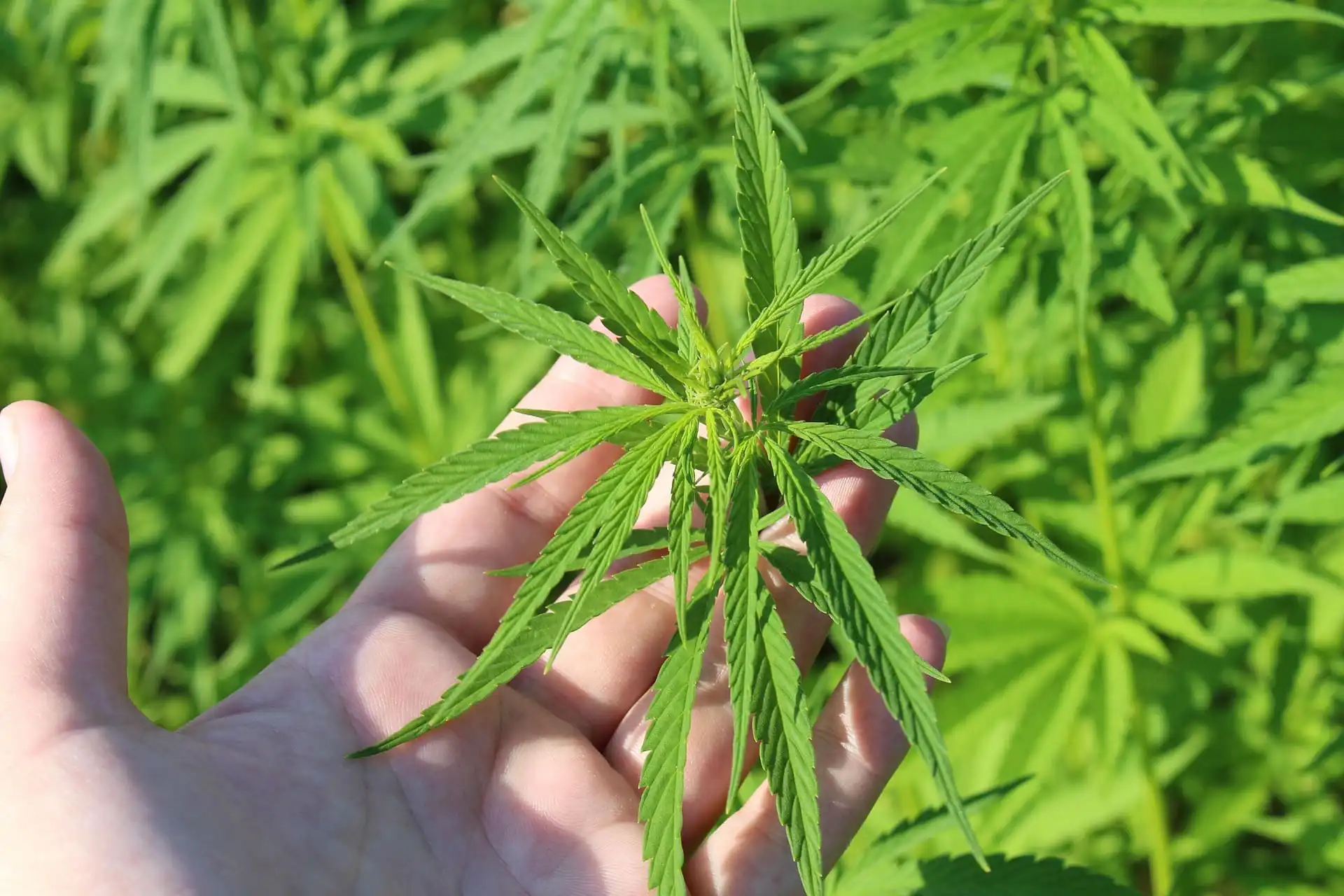
North Carolina lawmakers will take a more serious look at legalizing medical marijuana in the state following the Trump administration’s move to reschedule cannabis at the federal level, the state’s top senator says.
The North Carolina Senate has passed medical cannabis bills in a number of past sessions that have later stalled out in the House of Representatives.
But now that federal marijuana rescheduling is moving forward under a process announced by the U.S. Department of Justice last week, North Carolina’s Senate leader says his members will discuss plans to potentially try to advance the issue again.
“We’ll have a conversation within our caucus as to whether or not we do something, if they’re interested in continuing to pursue that,” Senate President Pro Tempore Phil Berger (R) said, WRAL-TV reported.
If the Senate does pass a medical cannabis bill again, it’s not yet clear how House leadership would react this time.
The federal marijuana reform action and comments by the state Senate leader come weeks after a governor-appointed cannabis commission in North Carolina issued a report recommending that the state move away from a criminalization-based approach to the plant and toward a system of “robust” regulations that provide for adults’ legal access to THC products.
The North Carolina Advisory Council on Cannabis, which Gov. Josh Stein (D) convened last year, says in the new document approved earlier this month that the current “absence of regulation for North Carolina’s intoxicating cannabis market raises numerous concerns,” noting that hemp products are readily available yet largely unregulated and that marijuana remains prohibited altogether in the state, even for medical use.
“Compared to regulated marijuana frameworks in other states, this environment presents identifiable risks,” the interim report says. “While some operators voluntarily implement consumer protection protocols, these safeguards are not required under state law.”
Stein, for his part, thanked the group for its “expertise, hard work, and thoughtful deliberation” in a press release and reiterated his support for legalizing marijuana.
“Last year, I charged this group with developing a comprehensive solution to the unregulated sale of cannabis that is grounded in public health and public safety, with a special focus on keeping young people safe,” the governor said. “This report provides the General Assembly with guidance and makes clear that a well-regulated market, including both oversight and enforcement authority, is a safer market for our state.”
“Our state’s unregulated cannabis market today is the Wild West and is crying for order,” he said. “Let’s get this right. Let’s protect our kids and create a safe, legal, and well-regulated market for adults.”
The interim report recommends that rather than construct separate frameworks for hemp and marijuana, the state should enact molecule-based regulation focused on THC itself, saying that “the plant source is irrelevant and should not drive different treatment when the intoxicating compound is the same.”
It also suggests that when choosing how to regulate THC and cannabis, North Carolina should enact “an adult access market with protections for medical consumers.”
The panel, however, “does not view a medical-only program as an effective interim step or compromise solution,” and the state should proceed to adult-use access immediately while considering the “availability of medical-consumer protections” as “an important component of a broader regulatory structure.”
The group’s report notes that “ultimately, the authority to bring order to the unregulated, unsafe cannabis market rests with the General Assembly.”
The advisory council was formed after Stein issued an executive order last year, and is comprised of legislators, law enforcement officials, agriculture industry stakeholders, health experts, tribal representatives, advocates and others charged with exploring possible regulatory models for adult-use marijuana and hemp.
The governor’s order said there’s a need for reform because the “current lack of regulation, including age, potency, and purity limitations, poses a threat to all North Carolinians, particularly our youth.” And “rather than allowing this unsafe and unregulated market to continue, smart and balanced regulation presents an opportunity not only to protect the health and well-being of our people, but also to generate revenue that can benefit our state.”
Members are tasked with developing and submitting initial recommendations on a “comprehensive cannabis policy, including any proposed legislation,” with a final report due by December 31 of this year.
During his time as the state’s attorney general, Stein led a separate task force under then-Gov. Roy Cooper (D) that examined racial injustice issues and ultimately recommended decriminalizing marijuana and studying broader legalization in response to racially disparate enforcement trends.
Meanwhile, a tribe in North Carolina, the Eastern Band of Cherokee Indians, launched the state’s first marijuana dispensary in 2024—despite the protests of certain Republican congressional lawmakers.