Politics
Lawmakers And Advocates React To Marijuana Rescheduling Move By Trump Administration

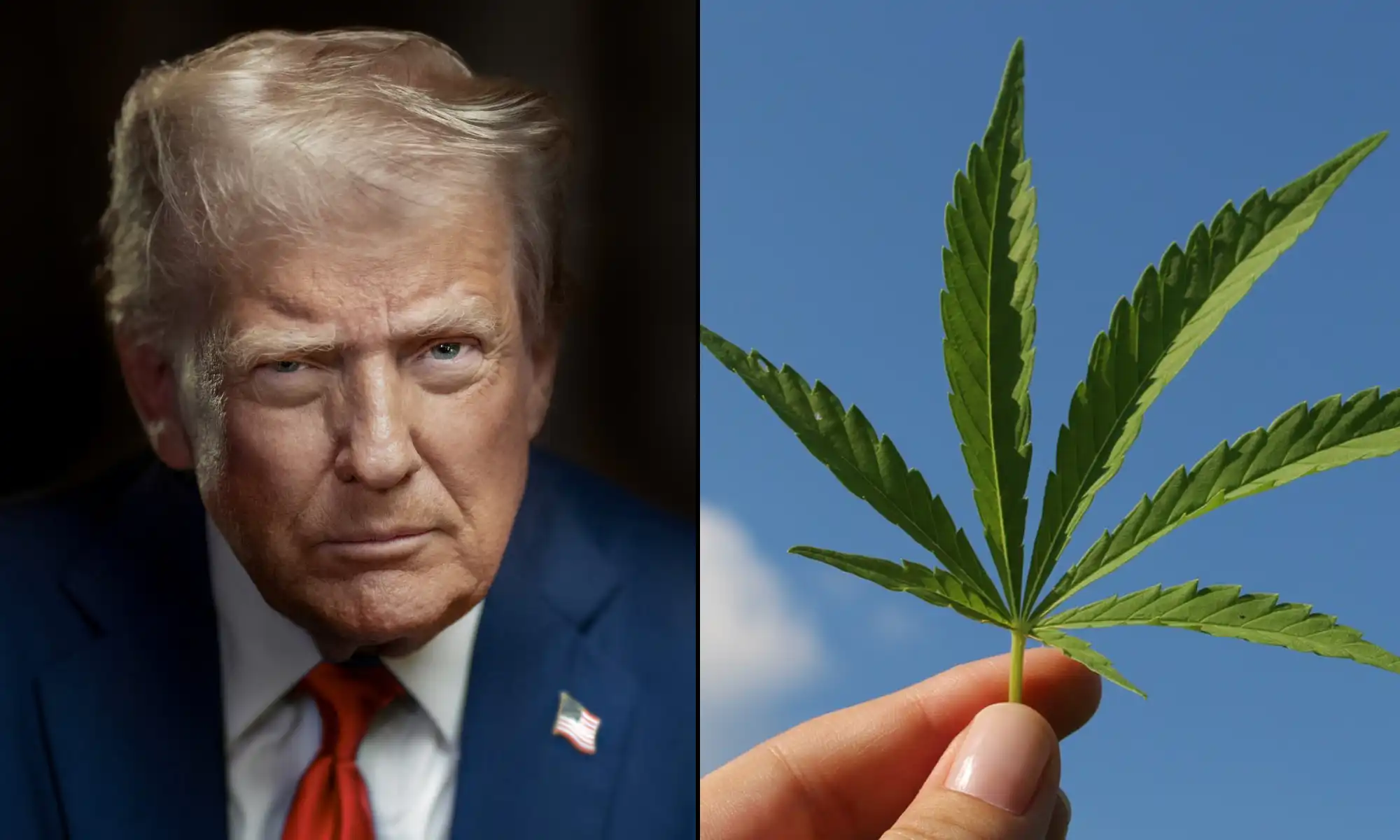
The Trump administration’s announcement that it is moving ahead with the federal reclassification of marijuana on Thursday is generating headlines and drawing reactions from across the political spectrum.
Lawmakers, advocacy groups and celebrities are weighing in—with many saying the move is long overdue, others arguing it doesn’t go far enough and some expressing concerns about what they fear will be negative consequences of the cannabis reform.
Here’s what people are saying about federal marijuana rescheduling:
Lawmakers And Elected Officials
Sen. Tom Cotton (R-AR)
Sen. Roger Marshall (R-KS)
Rep. Jerrold Nadler (D-NY)
Rep. Dave Joyce (R-OH)
Rep. Dina Titus (D-NV)
Rep. Steve Cohen (D-TN)
“Today’s DOJ decision is a small step in the right direction but is limited in its application since it doesn’t affect recreational marijuana possession under federal criminal law, nor remove the disproportionately harsh life-altering criminal penalties associated with it. Those include not qualifying for federal nutrition assistance and restrictions on federal housing. As a longtime advocate for removing cannabis from the Controlled Substances Act, I will continue to work to get marijuana reclassified so that the lives upended by misguided federal prosecutions can be avoided.”
Former Rep. Marjorie Taylor Greene (R-GA)
Florida Gov. Ron DeSantis (R)
“Florida has the medical that was passed by the voters… I mean, you see a lot of these stores around the state… I don’t necessarily think that’s a good thing, but it is what it is. And so that’s been something that’s been on the books in Florida, and that’s something that we’ve abided by for a number of years now.”
See DeSantis’s comments, starting at 26:35 into the video below:
Advocacy Groups
Marijuana Policy Project
“Rescheduling cannabis is a historic move towards sanity in cannabis policy. We hope that this will open the door to more medical research, inspires states to guarantee access to safe, regulated cannabinoids for patients who desperately need them, and that the regulated industry might finally be treated more fairly under the federal tax code,” Adam J. Smith, executive director of the Marijuana Policy Project, said. “But a move to Schedule III stops short of the systemic change we need. It does nothing to end hundreds of thousands of possession arrests each year, nor does it do anything to fix the untenable, ongoing disconnect between federal prohibition and the regulated state markets under which more than half of American adults live. While we welcome this important step, the federal government should treat cannabis the same way it treats alcohol, which means descheduling cannabis entirely.”
NORML
Drug Policy Alliance
“After years of delays and half-measures, Americans deserve marijuana reform that fully ends and addresses the harms of criminalization, which includes needless arrests, incarceration, and lasting barriers to jobs, housing, and employment. Partial rescheduling and a prolonged administrative process that may result in marijuana being moved to Schedule III means those harms remain in place,” said Cat Packer, director of drug markets and legal regulation at the Drug Policy Alliance. “We urge Congress to pass legislation that removes marijuana from the CSA entirely and regulates all cannabinoids–regardless of whether they are derived from marijuana or hemp. Comprehensive marijuana legalization must ensure public health protections, affordable access for patients, real opportunities for small businesses and workers, and reinvestment in communities. The American people have waited long enough and deserve more than a lengthy administrative process that will ultimately just arrive at Schedule III. Real marijuana reform must end federal criminalization once and for all and put everyday Americans first.”
Last Prisoner Project
“While President Trump’s decision to reschedule state legal cannabis is a historic step forward, it does nothing for the tens of thousands of Americans still locked behind bars for actions that are now legal in most of the country,” Jason Ortiz, director of strategic initiatives for Last Prisoner Project, said. “Thankfully, President Trump has demonstrated he is willing to act boldly to correct outdated policies. By pairing rescheduling with clemency for people incarcerated for cannabis, he can cement his legacy as the leader who has done more for cannabis justice than any other president in American history.”
American Trade Association for Cannabis & Hemp
“Today’s decision by the Trump administration to reclassify cannabis to Schedule III marks the most significant federal advancement in cannabis policy in over 50 years. This action recognizes what Americans have long known, cannabis is medicine. By opening the door to expanded research, rescheduling will shift our nation’s conversation around medical cannabis products and improve patient outcomes, ” Michael Bronstein, ATACH’s president, said. “For American businesses, this action brings long overdue equal tax treatment by lifting draconian tax penalties on state-legal businesses and allowing reinvestment in local jobs and communities.”
Smart Approaches to Marijuana
National Action Network
“Moving marijuana to Schedule III is not justice—it is a half measure,” said Rev. Al Sharpton, president of National Action Network. “The federal government has spent decades locking up Black and brown people for a substance it has now quietly decided is less dangerous than it claimed. But the people who paid the price for that lie are still paying it. Justice demands more than a change in classification. President Trump must issue full presidential pardons for every individual imprisoned on marijuana-related charges, and every single one of their records must be expunged. Not some. Not most. Every one. You do not get to spend decades destroying lives over a policy you are now walking back, and call it progress without making those people whole. That is not justice, that is a reclassification of injustice.”
Second Amendment Foundation
Celebrities And Commentators
Ricky Williams, former NFL player and co-founder of Project Champion
“Today’s decision feels like a long-overdue first down in a game that’s been stuck at the line of scrimmage for decades. It’s not a touchdown, but it finally moves the chains in a meaningful way. For years, people have been using cannabis as part of their wellness; quietly, often without support from the medical system. Now we’re starting to see a shift where policy is catching up to lived experience. What excites me most is the potential for deeper understanding. When you open the door to research, education, and real dialogue between patients and doctors, you create space for healing that goes beyond stigma. This isn’t just about access; it’s about integration, about recognizing cannabis as one tool in a much broader approach to health and well-being.”
Jim McMahon, former NFL player and co-founder of Project Champion
“For a lot of us, this isn’t theoretical, it’s personal. We’ve lived with the pain, the injuries, and the long-term effects that come with playing this game. For years, the only options we were given were pharmaceuticals that often created as many problems as they solved. Rescheduling cannabis is a step in the right direction because it opens the door for real research and gives doctors better tools to understand what patients are actually experiencing. But let’s be clear—this is just a step. Guys across the country are still dealing with inconsistent access, and too many people are forced to navigate a system that doesn’t fully support their choices. We need to keep pushing until patient care, not outdated policy, is what drives the conversation.”
Kyle Turley, former NFL player and co-founder of Project Champion
“Calling this a win is premature. This is a correction. For decades, patients were told this plant had no medical value while they were using it to stay off opioids and manage real pain. That disconnect cost people careers, reputations, and in some cases, their lives. Rescheduling finally acknowledges what patients and veterans have been saying all along, but it doesn’t fix a system where access depends on your zip code and stigma still shapes policy. If this is the NFL, we’ve moved the chains, but the clock’s still running and patients are still waiting. It’s time to finish the drive.”
Ann Coulter