Politics
Iowa Democratic Governor Candidate Explains Why Marijuana Should Be Legalized Even If It’s ‘Dangerous’

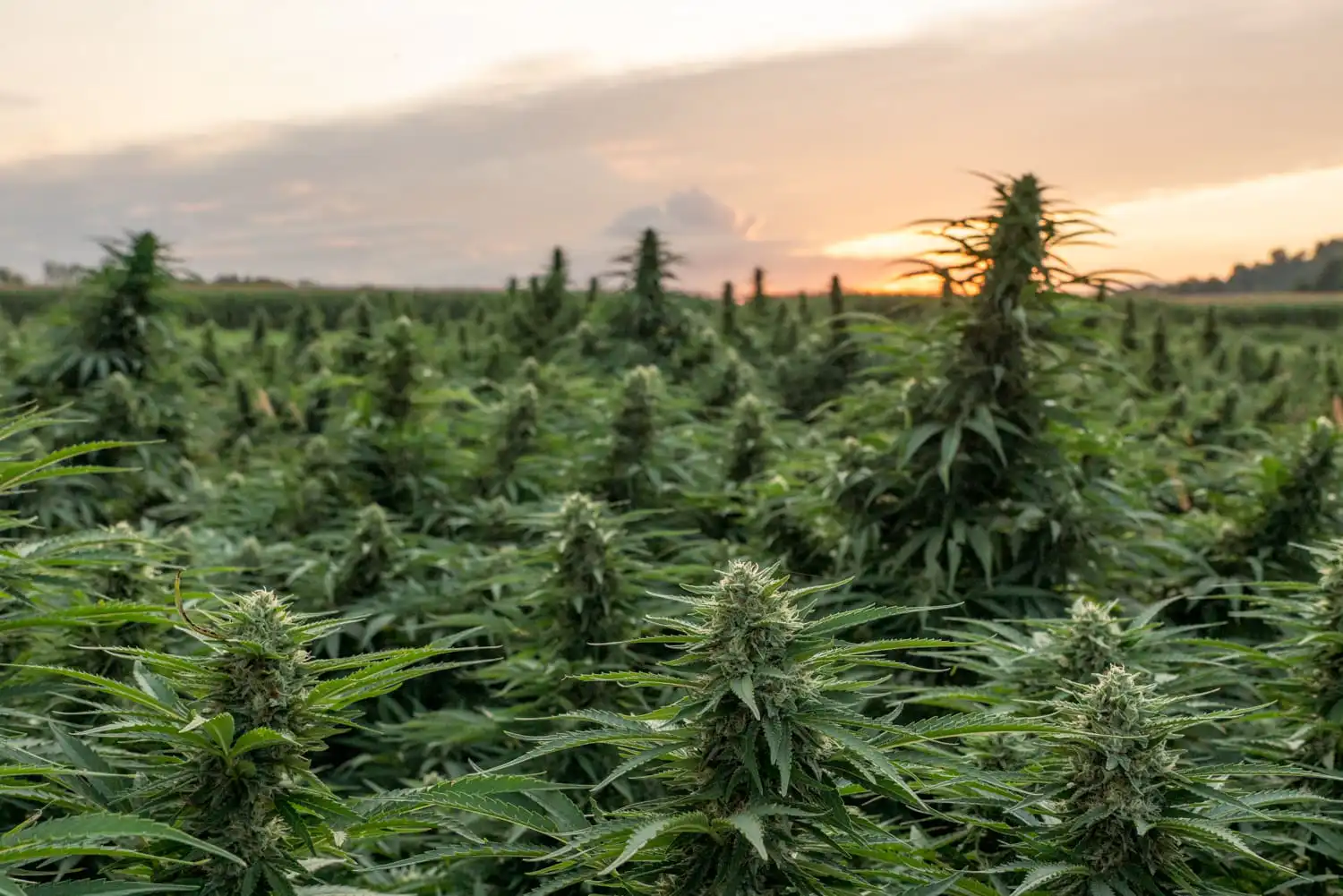
The Democratic Party’s nominee to be the next governor of Iowa is explaining why he thinks marijuana should be legalized and treated like alcohol, even if he thinks it’s “dangerous.”
Legalizing and taxing cannabis can be part of solving the state’s $1.3 annual budget deficit, Rob Sand, the Democratic gubernatorial nominee, said at a town hall in Dubuque on Monday.
“Marijuana is a dangerous drug,” he said. “You shouldn’t abuse it, but we also shouldn’t throw people in prison just for using it. We should treat it the way we treat alcohol. Alcohol is a dangerous drug. You shouldn’t abuse it, but we don’t throw you in prison just for having a beer when you get home.”
Sand, who is currently Iowa’s state auditor, then went through a list of common objections to legalizing cannabis and detailed how he would explain his support for the reform to people who voice those concerns.
For people who say they don’t want to smell marijuana, the candidate would say, “Me neither. No smoking in public.”
“That’s a pretty simple rule to have,” he said. “Just like alcohol, you can’t be drinking it out in public, can you?”
In response to people who express concerns about kids getting access to THC-infused gummies and candy, Sand would say, “That’s a good point too. Let’s ban things that are colorful and look like candy and any kind of colorful marketing that looks like it’s aimed towards kids, just like we do with alcohol.”
“You guys remember Joe Camel? R.I.P. Joe Camel, right?” he said, referring to the former cigarette mascot the that R. J. Reynolds Tobacco Company stopped using in response to claims he appealed to children. “We’ve done this with cigarettes. We’ve done this with alcohol. We should do this with marijuana. We don’t want kids to be mistaken.”
For those who say that modern marijuana is more potent than the cannabis they smoked in the 1960s and 70s, Sand would say, “Okay, I take your word for it. I have never used it myself.”

“But how do we handle that with alcohol? Every single can of beer you buy, you can see the alcohol content by volume,” he said,.”Hard liquor, you can see the alcohol content by volume. So we handle it by taking care of it, making it clear what you’re getting into.”
The Democratic gubernatorial candidate said that Iowa is “spending perfectly good tax dollars to lock people up” for marijuana while people who want to use it are driving across the border to purchase it in other states.
“They’re spending their money in Illinois, or they’re spending it in Missouri. And then they’re driving back without their money,” Sand said. “The money stays there, and the tax dollars stay there.”
“So again, it’s dangerous,” he concluded. “You shouldn’t abuse it, but I think we should just treat it the way we treat alcohol.”
Sand’s campaign website says that “establishing an adult-use cannabis industry in Iowa would also create thousands of full-time and part-time jobs as well as entrepreneurship and investment opportunities for Iowans and Iowa small businesses, and also support Iowa farmers.”
It also says he would “reverse the prohibition of sales of consumable hemp products” that incumbent Gov. Kim Reynolds (R) signed into law in 2024.
“We should reverse that law to allow sales of hemp and THC beverage products while ensuring oversight and regulation over those products by hemp producers selling their products through cannabis retailers,” it says.
Republican gubernatorial nominee Zach Lahn reportedly opposes legalizing cannabis but doesn’t appear to have spoken extensively about the issue.
Meanwhile, Sand’s comments in support of legalizing marijuana at the town hall this week come as Iowa regulators are circulating proposed rules changes to remove the residency requirement for patients in the state’s medical cannabis program while also ensuring that military veterans qualify for reduced registration fees.
The residency-focused part of the regulatory change from the state Department of Health and Human Services is meant to comply with provisions of a bill that Reynolds signed into law in June.
In addition to allowing out-of-state residents to register in the medical cannabis program if they have a certification from an Iowa healthcare provider legislation, that legislation also doubles the number of medical cannabis dispensaries that are allowed to operate in the state.
Regulators said in the new rule filing that removing the residency requirement is expected to “primarily impact qualified Nebraska residents since Nebraska is the only bordering state that does not currently have an operational medical or adult-use cannabis program.”
“Although Nebraska has taken steps to establish a medical cannabidiol program, implementation has experienced significant delays and setbacks,” the regulatory explanation says.
Beyond the residency change that is part of the bill the governor signed this year, the new rule change also restores regulatory language that was “inadvertently removed during the 2023 Red Tape Review process” that allowed proof of military veteran status to be used to qualify for a reduced patient application fee of $25 instead of the standard $100.
Under prior law, Iowa’s limited medical marijuana program allowed only five dispensaries. That has doubled to 10 under HF 990, which the governor signed.
—
Marijuana Moment is tracking hundreds of cannabis, psychedelics and drug policy bills in state legislatures and Congress this year. Patreon supporters pledging at least $25/month get access to our interactive maps, charts and hearing calendar so they don’t miss any developments.
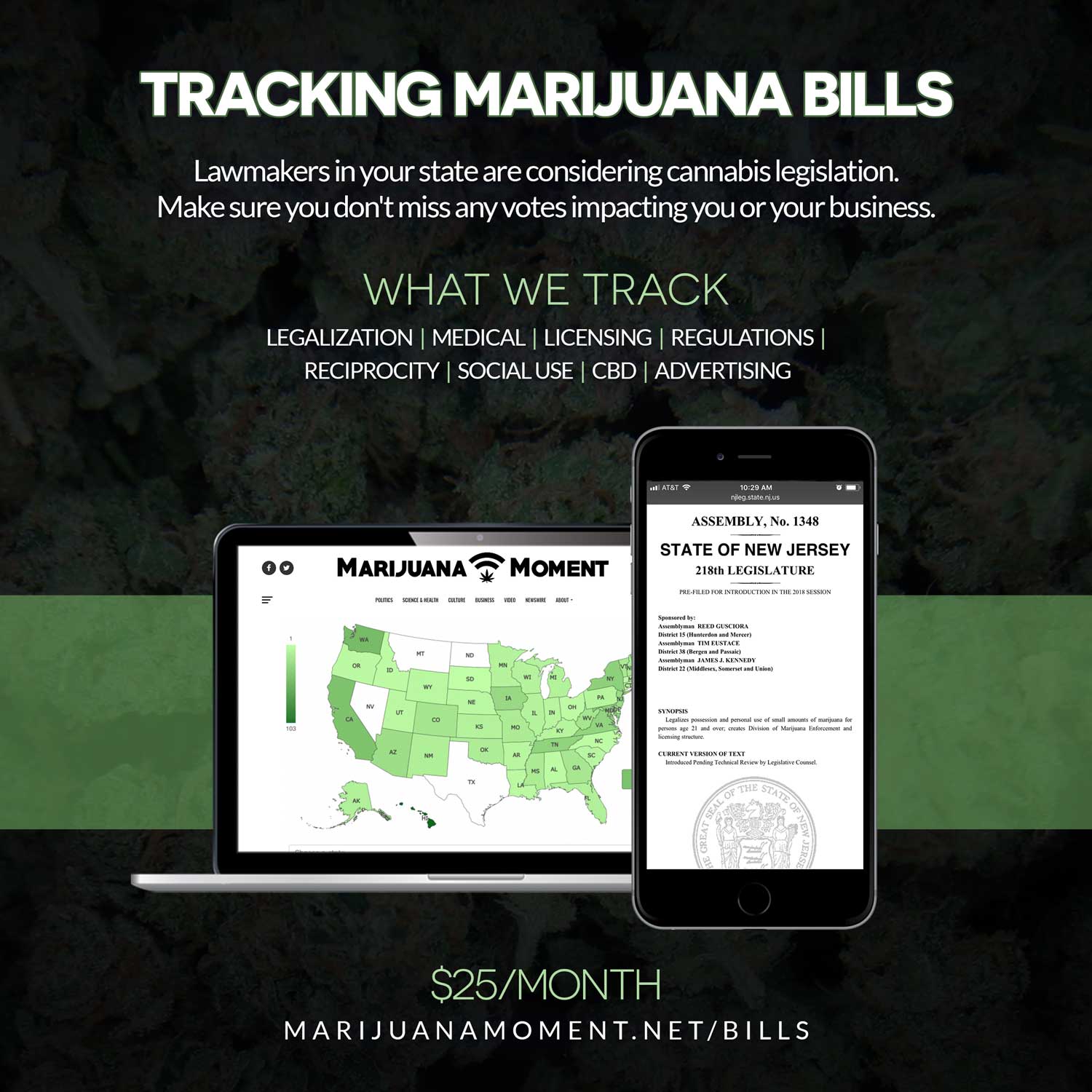
Learn more about our marijuana bill tracker and become a supporter on Patreon to get access.
—
The Iowa Medical Cannabidiol Board, which oversees the state’s medical marijuana program, recommended in a 2023 report that the state allow more licenses “in an effort to provide Iowans with greater geographical access to medical cannabis products.”
Under the program, patients with certain conditions can obtain cannabis products containing no more than at 4.5 grams of THC every 90 days. Flower and smoking are not allowed. Healthcare practitioners can allow greater amounts of THC for patients who are terminally ill or who have experience with the program and for whom the provider believes 4.5 grams is not enough.
Separately this session, Iowa lawmakers considered a bill to create a state-regulated therapeutic psilocybin program for patients with post-traumatic stress disorder (PTSD).
Last year, the governor vetoed earlier legislation that would have allowed doctors in the state to immediately prescribe a synthetic form of psilocybin in the event of federal approval of the psychedelic substance by the U.S. Food and Drug Administration (FDA), arguing that it “surrenders state authority to make an informed determination about classification to federal officials.”