Politics
Indiana Governor Touts Medical Marijuana’s Benefits For Veterans, Saying He Hopes Opposition From GOP Lawmakers ‘Softens’

Indiana’s Republican governor says he hopes that opposition to legalizing medical marijuana from GOP leaders in the state legislature “softens”—pointing to the benefits cannabis has for military veterans and other people dealing with trauma and issues “where there’s nothing else that seems to work.”
Gov. Mike Braun (R) told WPTA-TV in an interview posted on Friday that Indiana is now “surrounded by four states that now have medical marijuana available,” and Hoosiers are “crossing the border” to purchase it.
“I think there’s going to be a serious consideration of it,” he said of legalization legislation. “And when it comes to the medical side of it—where I said I was agnostic in general—everything I can see, I think, especially now that you have four states where it’s available, we need to look at it seriously.”
A Republican state senator last week announced plans to file legislation to legalize medical marijuana in the 2027 session in light of previous comments from the governor about cannabis and as reform advances at the federal level under the Trump administration.
Braun acknowledged in the new interview that his power on the issue is fairly limited and that it will be up to leadership in the state Senate and House of Representatives to put a bill on his desk.
“In our state, what the governor wants to do is mostly messaging, because a veto can be overridden with a simple majority—and of course we got a supermajority,” he said. “So a lot of that needs to build steam in the legislative chambers, and the leaders there, especially in the Senate, have said they’re against it either way. I hope that softens on the medical side.”
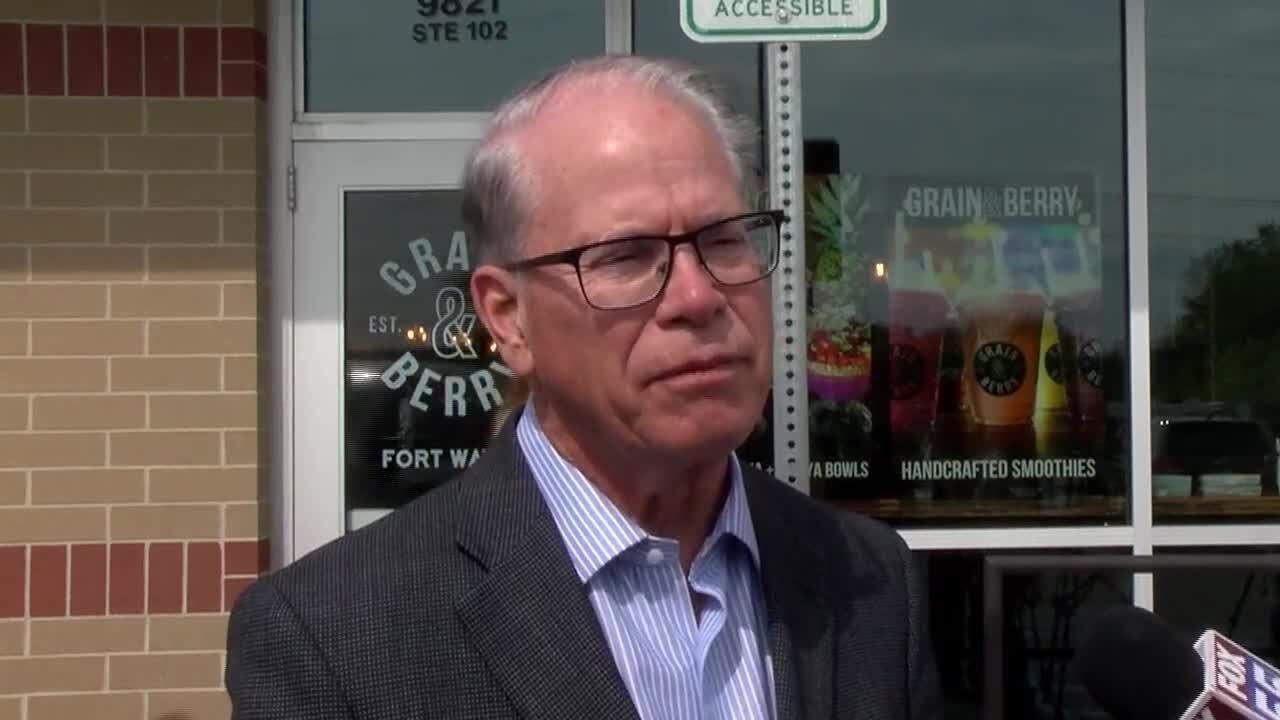
The governor said he doesn’t have specific thoughts about provisions he would like to see in the recently announced medical cannabis legislation from Sen. Mike Bohacek (R)
“I think it’ll become a serious discussion now that he has broached it in the form of a bill,” Braun said. “It’s at the conceptual side now. Working out the details to get the right legislation, I think, is what announcing early, working it through the committee system, getting a lot of people to come in and testify about it—that’s how we get a good product through the legislature.”
The governor recently said separately that the state is “more likely” to legalize marijuana now that the Trump administration is moving to federally reschedule cannabis.
—
Marijuana Moment is tracking hundreds of cannabis, psychedelics and drug policy bills in state legislatures and Congress this year. Patreon supporters pledging at least $25/month get access to our interactive maps, charts and hearing calendar so they don’t miss any developments.
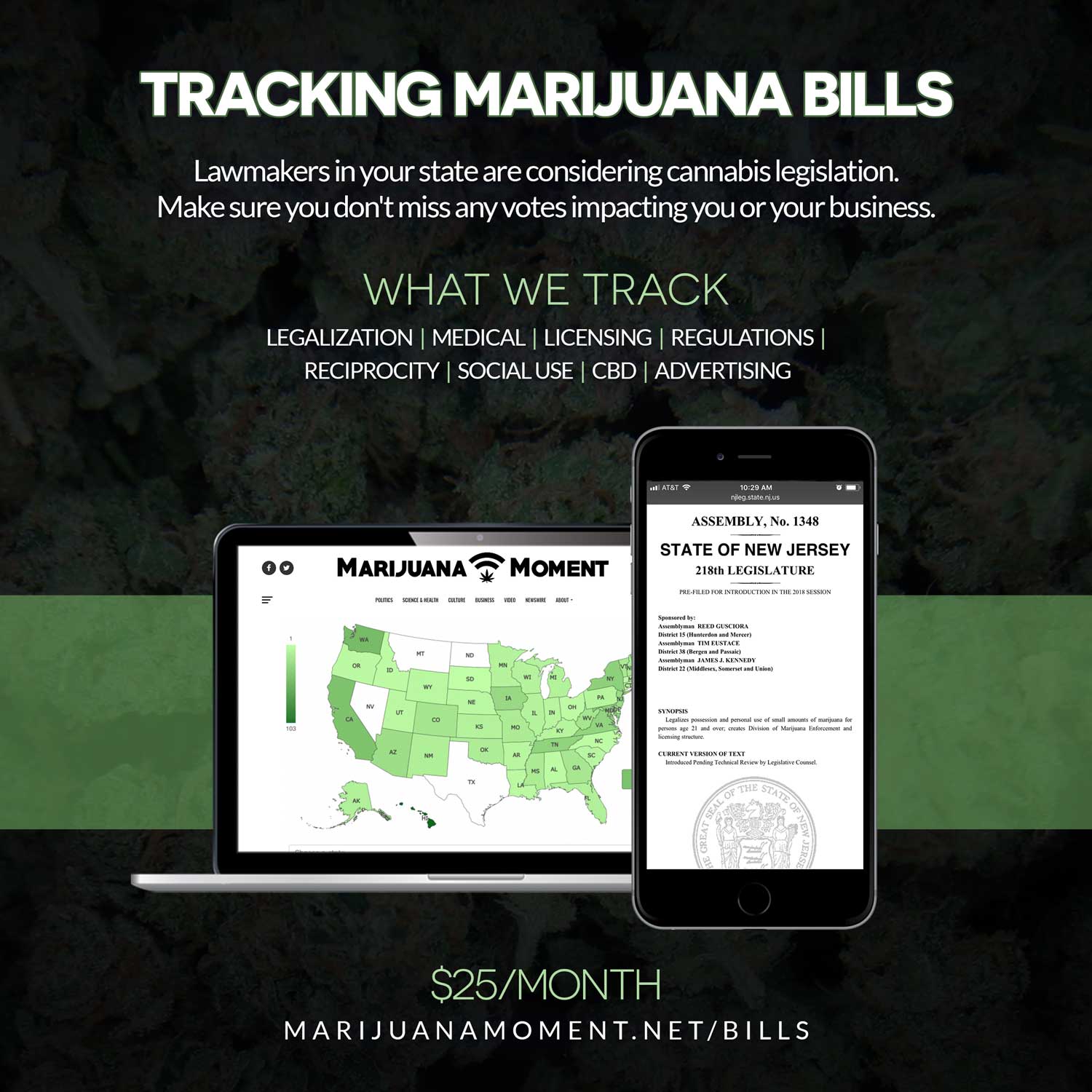
Learn more about our marijuana bill tracker and become a supporter on Patreon to get access.
—
Last month, U.S. Sen. Jim Banks (R-IN) sent a letter urging the governor to “maintain the state’s prohibitions on marijuana use” despite federal reform.
Under an order signed last month by U.S. Acting Attorney General Blanche, marijuana products regulated by a state medical cannabis license immediately moved from Schedule I to Schedule III of the federal Controlled Substances Act (CSA), as did any marijuana products that are approved by the Food and Drug Administration (FDA).
“I think the fact that the feds made that move, that makes it more likely” the state will act to reform its cannabis laws, the governor said recently.
“You’re going to need to ask the legislators and the leaders in those two chambers to see what they’re thinking, because I’m clear in terms of where I’m at,” Braun continued. “You’ve got to take what’s evolved over time. [If you] stick your head in the sand, you’re generally going to make the wrong decision.”
Meanwhile, at Braun’s direction, state officials have been holding a series of meetings with medical marijuana advocates, and members of the Indiana Board of Pharmacy have begun preliminary discussions about the impact of federal cannabis rescheduling on state policy.
In March, the governor said the “crescendo will rise” in the call to legalize marijuana, with regional dynamics and even law enforcement buy-in favoring reform down the line. But for now, he said GOP legislative leadership in the state is “not interested in doing anything soon,” even if “over half of Hoosiers probably smoke it illegally.”
Braun said at the time that he thinks lawmakers should take “an additional look at” medical cannabis and that, while he’s personally “agnostic” on legalization, the reality is that Indiana is “surrounded now by four states” that allow either medical or adult-use cannabis.
“Over half of Hoosiers probably smoke it illegally,” he said, noting that neighboring Kentucky permits patients to access medical cannabis, while Illinois, Michigan and Ohio have recreational marijuana laws on the books.
“I’m going to listen to law enforcement. Even they have changed their opinion in terms of legalizing it and regulating it,” Braun said, adding that he’d compare cannabis to gambling. The state was late in the game to adopt laws allowing adults to gamble, he said, but now it ranks in the top three states nationwide in terms of revenue per capita from the vice.
“Some people aren’t going to want it, just out of principle. A lot of our state police and sheriffs are tolerating people going across the border [to buy cannabis]. It’ll be an increasing issue that, so far, our state legislature has kind of dug in against it,” he said. “I’ve been more agnostic about it. I can see points of view, and I’ve seen law enforcement move on it somewhat.”
“So that would give you the best description of where the dynamic is in our state,” the governor told WOWO. “I think the leader of the Senate especially, and the Speaker of the House, are pretty—and they control the legislative agenda—not interested in doing anything soon. But I think the crescendo will rise, and that describes in a snapshot where we’re at.”
Braun similarly talked about the issue in another recent interview, saying the state is “probably going to have to address” the issue and likening cannabis reform to sports betting.
Lawmakers in the state had already signaled that marijuana legalization isn’t in the cards in the 2026 session, meaning another year where Indiana will be an outlier as one of the few remaining states without effective medical or adult-use cannabis laws.
The governor separately said in January that he’s “amenable” to the idea of legalizing medical cannabis in the state. Instead, Indiana legislators this session have been focused on efforts to ban hemp THC products—though it seems that fight is over for 2026 after a last-minute push failed in February.
Braun has previously said that federal marijuana rescheduling could add “a little bit of fire” to the local push for cannabis legalization in his state.
Among Indiana residents, a survey released in January found that nearly three in five back legalizing cannabis for medical and recreational use.
Specifically, the annual Hoosier Survey from the Bowen Center at Ball State University (BSU) found that 59 percent of residents are in favor of legalizing cannabis for both medical and recreational purposes. An additional 25 percent back only allowing patients to access medical marijuana, raising the total support for that reform to 84 percent.
Braun, for his part, previously said that “it’s probably time” to allow access to therapeutic cannabis among patients in the state. Those comments came alongside a separate poll indicating that nearly 9 in 10 Indiana adults (87 percent) support marijuana legalization.
Top Republicans in the legislature, however, have openly opposed marijuana reform.
“It’s no secret that I am not for this,” Senate President Pro Tem Rodric Bray (R) said in late 2024. “I don’t have people coming to me with really compelling medical cases as to why it’s so beneficial. And any state that I’ve seen pass medical marijuana is essentially passing recreational marijuana.”
House Speaker Todd Huston (R) doubted any medical benefits associated with marijuana, calling the substance “a deterrent to mental health.” He and others suggested that lawmakers supportive of the reform merely want to boost state revenue.