Politics
How Illinois Marijuana Rules Built A Marketplace Controlled By A Few, Despite Promises Of Equity And Opportunity (Op-Ed)

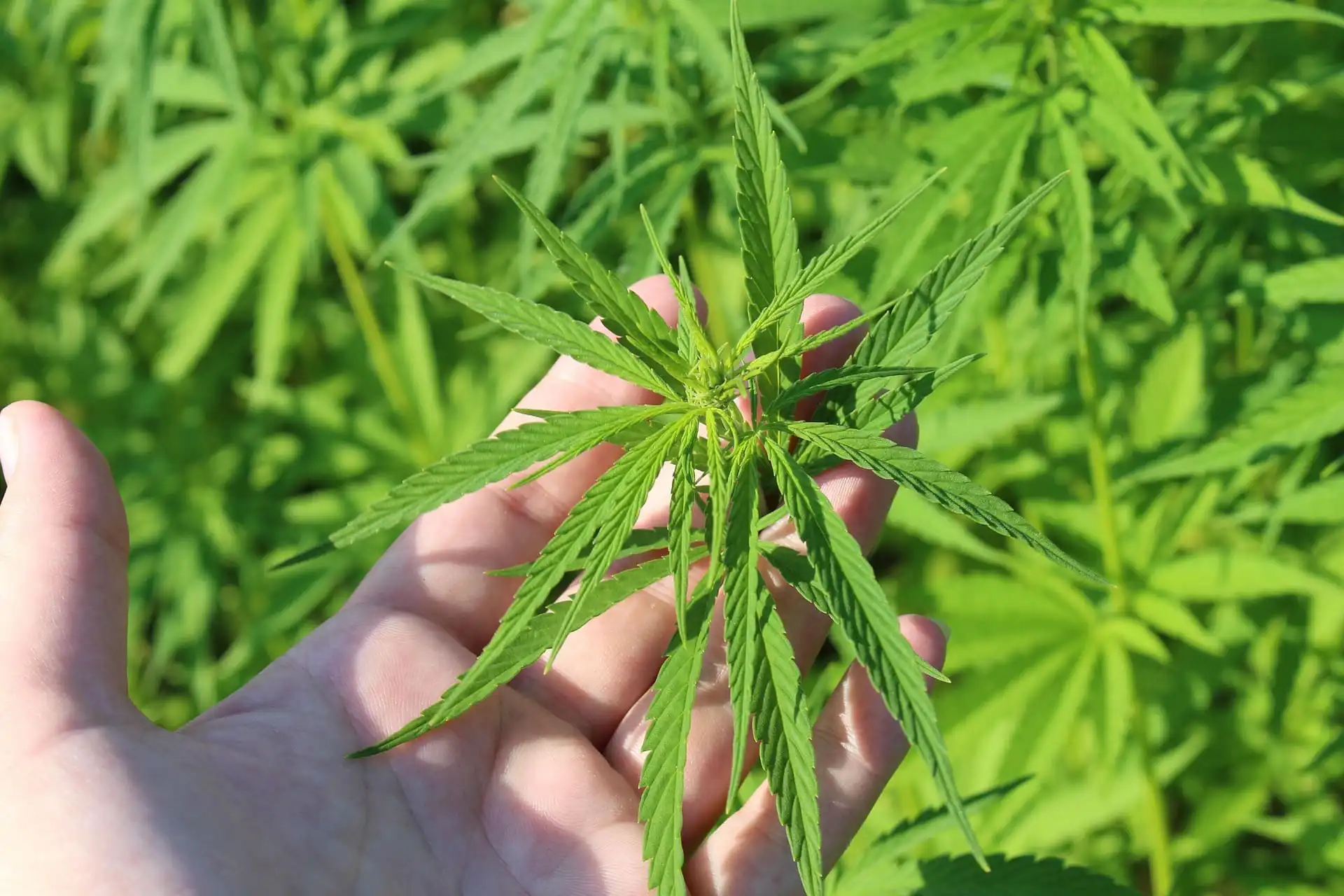
“On Illinois dispensary shelves, a crowd of brands hides a shrinking set of owners, and the state’s rules are speeding the squeeze.”
By Hedy Yang, Parabola Center for Law and Policy
Illinois built its adult-use cannabis market on a promise of equity and opportunity. Six years in, 264 brands compete on dispensary shelves across the state. But those brands answer to far fewer owners, and a few incumbents capture nearly 79 cents of every dollar in statewide revenue.
For a new report, Parabola Center analyzed 16 quarters of Headset retail data (2022–2025), mapping every active brand in Illinois to the company that controls it. Where ownership was ambiguous, we credited the smaller operator, so if anything these figures understate concentration.
Specific policy choices produced this concentration. Illinois engineered the conditions, and the market followed.
When adult-use sales began in 2020, only Illinois’s existing medical cultivation centers could supply the market. Craft growers faced years of administrative delays, handing incumbents a roughly two-year head start that hardened into a lasting advantage.
The market only looks like it’s diversifying. The number of active brands has climbed steadily, but those brands belong to fewer and fewer owners. Active parent companies peaked at 91 in early 2025 and fell to 79 by year’s end.
This is the “illusion of choice” that runs through many U.S. consumer markets, alcohol included. What looks like a wave of independent brands is mostly incumbents extending their reach, their interests aligned rather than opposed.
In Q4 2025, MSOs (multi-state operators, vertically integrated firms spanning cultivation, processing, and retail) sold 42 percent of units while capturing 69 percent of statewide revenue. Independent operators (Illinois craft growers and small brands) sold 27 percent of units but took in only 8.1 percent of revenue.
This gap is structural, written into the licensing rules.
Illinois offers no standalone extraction license. The right to turn raw cannabis into concentrate belongs to the state’s incumbent cultivation centers and to craft growers, whose canopy is capped at 14,000 square feet against the 210,000 a cultivation center can run.
Infusers, the one manufacturing license open to most newcomers, cannot extract at all and must buy concentrate from the same incumbents they compete with. That is how edibles, concentrates, and cartridges end up controlled at the source.
Of 89 craft grower licenses issued, only 21 are operating. Together, at their legal maximum, those 21 are permitted less canopy than one and a half cultivation centers.
The same imbalance shapes the flower market. Wholesale flower is a commodity, and prices have fallen nearly 40 percent since 2022. MSOs absorb this drop through their margins on concentrates and vapes. Independents are left effectively locked into flower.
And it may get worse. Concentration is rising again. The Herfindahl-Hirschman Index, the standard measure of market concentration, fell year over year for 10 straight quarters. It hit its low in late 2024 and has since risen, posting its first year-over-year increase in Q3 2025. The four largest companies controlled 45 percent of the market at that low point; a year later they controlled 47 percent. Q4 2025 was the first quarter on record with more brands leaving than entering.
Some of this is an ordinary shakeout after oversupply. But the pain need not fall so unevenly. It does because independents are penned into flower, the category that oversupply hit hardest, while license rules block any move elsewhere. The retail figures understate the problem. The real chokepoint sits in cultivation and extraction capacity, controlled by a few incumbents and invisible in any brand count.
Parabola’s findings echo the state’s own Adult-Use Cannabis Industry Disparity Study from July 2024. The state promoted the study as proof Illinois has the most diverse cannabis industry in the country, and on license ownership, that may have been true at the time. Minority- and women-owned businesses hold most dispensary, craft grower and infuser licenses.
But owning a license is not the same as capturing value. The same study found minority- and women-owned dispensaries earned just 12.5 percent of revenue while holding 59 percent of licenses. It flagged thin financing for equity businesses and weak data collection, and it urged the state to consolidate its fragmented oversight.
This corporate takeover was not inevitable. Lawmakers built it one choice at a time, each tilting toward the largest operators, which means the same lawmakers can level the field. Our report lays out how.
The state must do three things.
First, create a standalone extraction license and lift the canopy cap on craft growers, so independents can make high-margin concentrates and vapes instead of buying them from competitors.
Second, consolidate regulatory oversight into a single agency, so fragmented authority stops favoring large incumbents.
Third, mandate parent-company disclosure on product labels, so brand diversity can no longer hide ownership.
Consumers and independent operators have already paid for Illinois’s years of inaction. With these steps, Illinois can reverse course and finally build the diverse, competitive market its own equity goals were always meant to deliver.
Hedy Yang is an Economic Research Fellow at Parabola Center for Law and Policy, where she researches corporate concentration in cannabis markets. She has previously studied antitrust policy and corporate power at the American Economic Liberties Project.