Politics
Wisconsin Governor Pushes Congress To Keep Hemp THC Products Legal

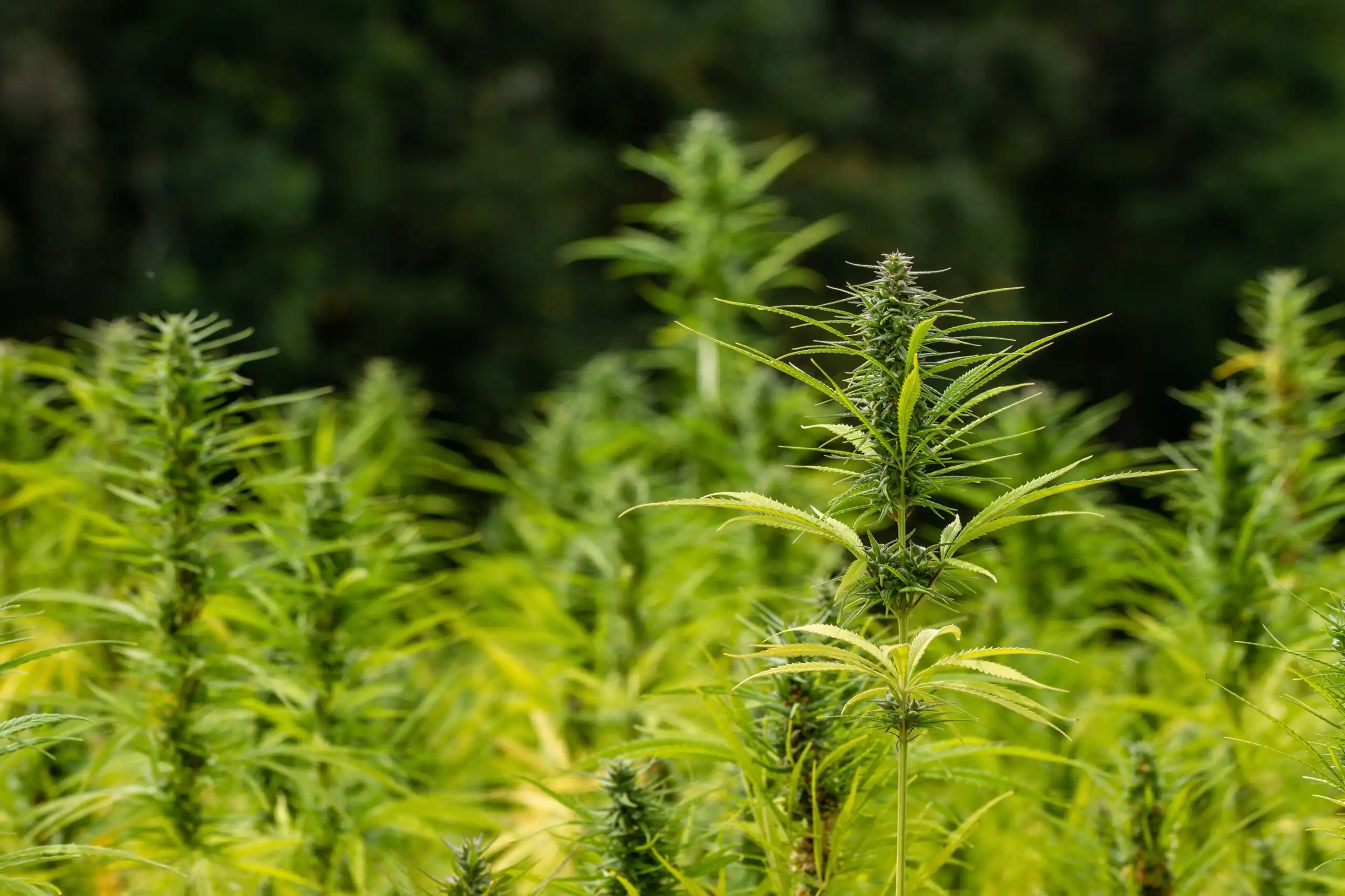
Wisconsin’s governor is pushing congressional lawmakers to take action to “prevent mass disruption of the hemp industry” by stopping the planned federal recriminalization of hemp THC products that’s set to take effect later this year.
“Hemp has become an increasingly important tool for agricultural diversification, rural economic development, and value-added manufacturing, creating new opportunities for Wisconsin farmers, processors, retailers, and consumers across our state,” Gov. Tony Evers (D) wrote in a letter to members of the state’s U.S. House and Senate delegations. “As Congress considers the future of federal hemp policy, it is essential that any changes provide the certainty and regulatory clarity needed for this emerging industry to continue growing and investing in Wisconsin.”
Hemp derivatives with less than 0.3 percent delta-9 THC on a dry-weight basis were federally legalized under the 2018 Farm Bill that President Donald Trump signed during his first term in office. But late last year, the president signed new legislation containing provisions that will redefine hemp to make it so only products with 0.4 milligrams of total THC per container will remain legal after November 12.
Evers is specifically asking federal lawmakers to prevent the new ban from taking effect by adding provisions to the next Farm Bill or by passing standalone legislation on the issue, saying he favors a “science-based federal framework that supports innovation, protects lawful businesses, and allows Wisconsin farmers and producers to compete in a rapidly evolving marketplace.”
“A strong and needed revised hemp policy in the Farm Bill will also help maintain the over $700 million in economic production Wisconsin’s hemp industry provides, preserve at least 3,500 jobs in the state, strengthen rural economies, and ensure that Wisconsin farmers and businesses can continue building on the progress made since hemp was removed from the Controlled Substances Act in the 2018 Farm Bill.”
“Wisconsin farmers and businesses deserve the certainty and support necessary to fully realize the economic benefits of this thriving sector,” the governor wrote, adding that he wants the Farm Bill to strengthen research on hemp and improve the industry’s access to crop insurance and financial services.
A press release from Evers’s office notes that Wisconsin had 470 federally licensed hemp producers as of last November, arguing that the planned recriminalization will force “closures, layoffs, and lost investment.”
“The need to revise the federal hemp law is also critical to the state’s agricultural economy, as the growing of hemp has become a strong diversification option for Wisconsin farmers,” it says. “Without timely federal legislative action, Wisconsin producers may be forced to abandon hemp cultivation altogether, resulting in lost income and diminished economic opportunities, especially in rural communities.
In a prior letter earlier this year, Evers similarly called on members of Congress representing Wisconsin to take action to save the hemp industry—saying the issue is “intensified” by the fact that the state has yet to legalize marijuana for medical or adult use.
The governor has repeatedly pushed for the broader reform—including marijuana legalization in multiple budget requests, for example—but efforts to enact it have consistently stalled out in the Republican-controlled House and Senate even as adult-use markets have come online in neighboring states such as Illinois and Michigan.
Evers is not seeking re-election this year, but he said last year that if his party can take control of the legislature, the state can “finally” legalize marijuana so that residents don’t have to go to neighboring Illinois to visit its adult-use market.
Democratic candidates seeking their party’s nomination for governor spoke at a cannabis-focused forum last month, making pledges to advance the cause of legalization if elected even in the face of potential opposition from Republican legislative leaders.
In February, a Wisconsin Senate committee approved a limited bill to legalize medical marijuana in the state, but it did not advance any further before the end of the session.
—
Marijuana Moment is tracking hundreds of cannabis, psychedelics and drug policy bills in state legislatures and Congress this year. Patreon supporters pledging at least $25/month get access to our interactive maps, charts and hearing calendar so they don’t miss any developments.
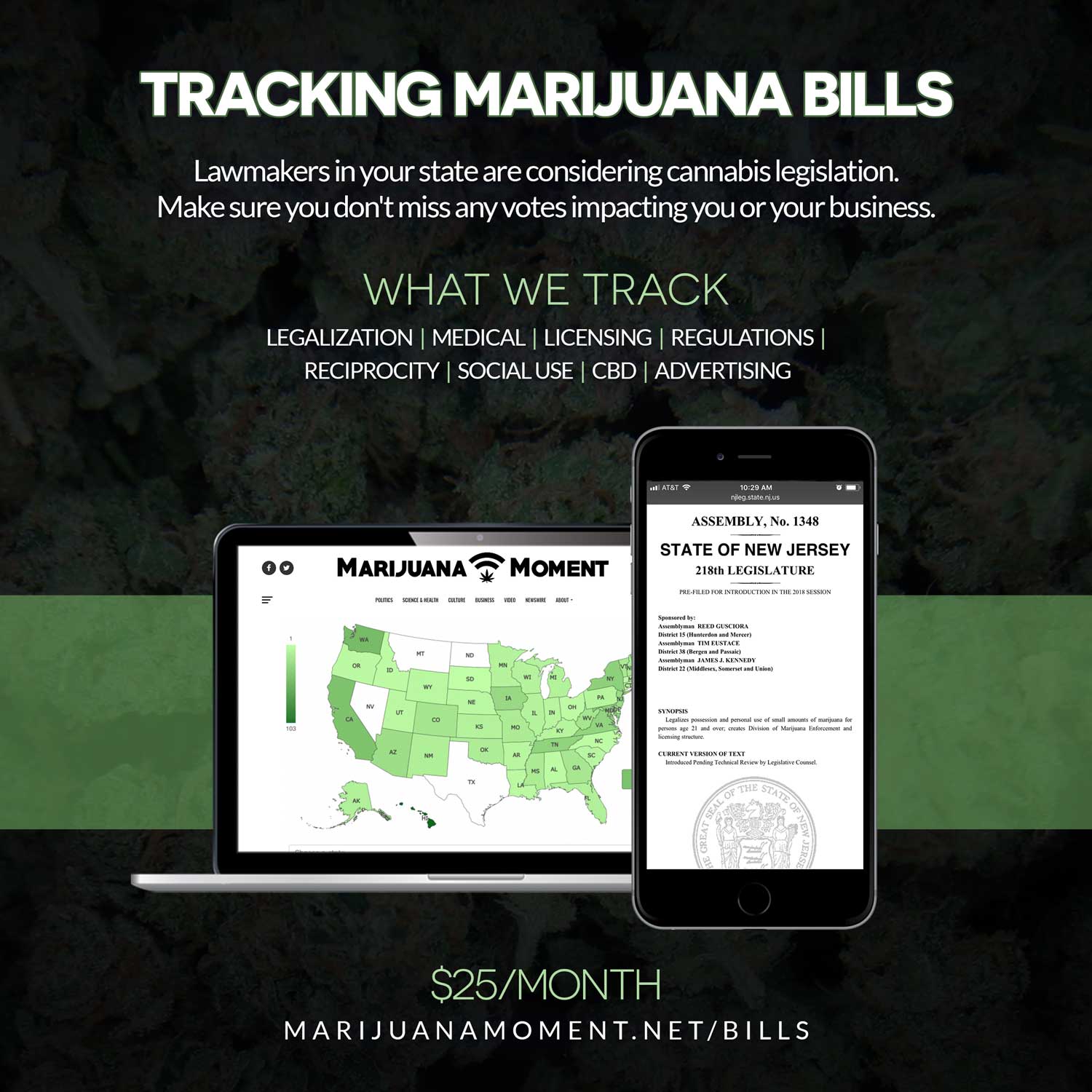
Learn more about our marijuana bill tracker and become a supporter on Patreon to get access.
—
Meanwhile, bipartisan members of Congress have filed several bills aimed at delaying, preventing or altering the scheduled ban on hemp THC products, but none of those proposals have gained traction with House and Senate leadership/