Politics
States Could Opt Out Of Federal Hemp THC Product Ban Under New Bipartisan Senate Bill

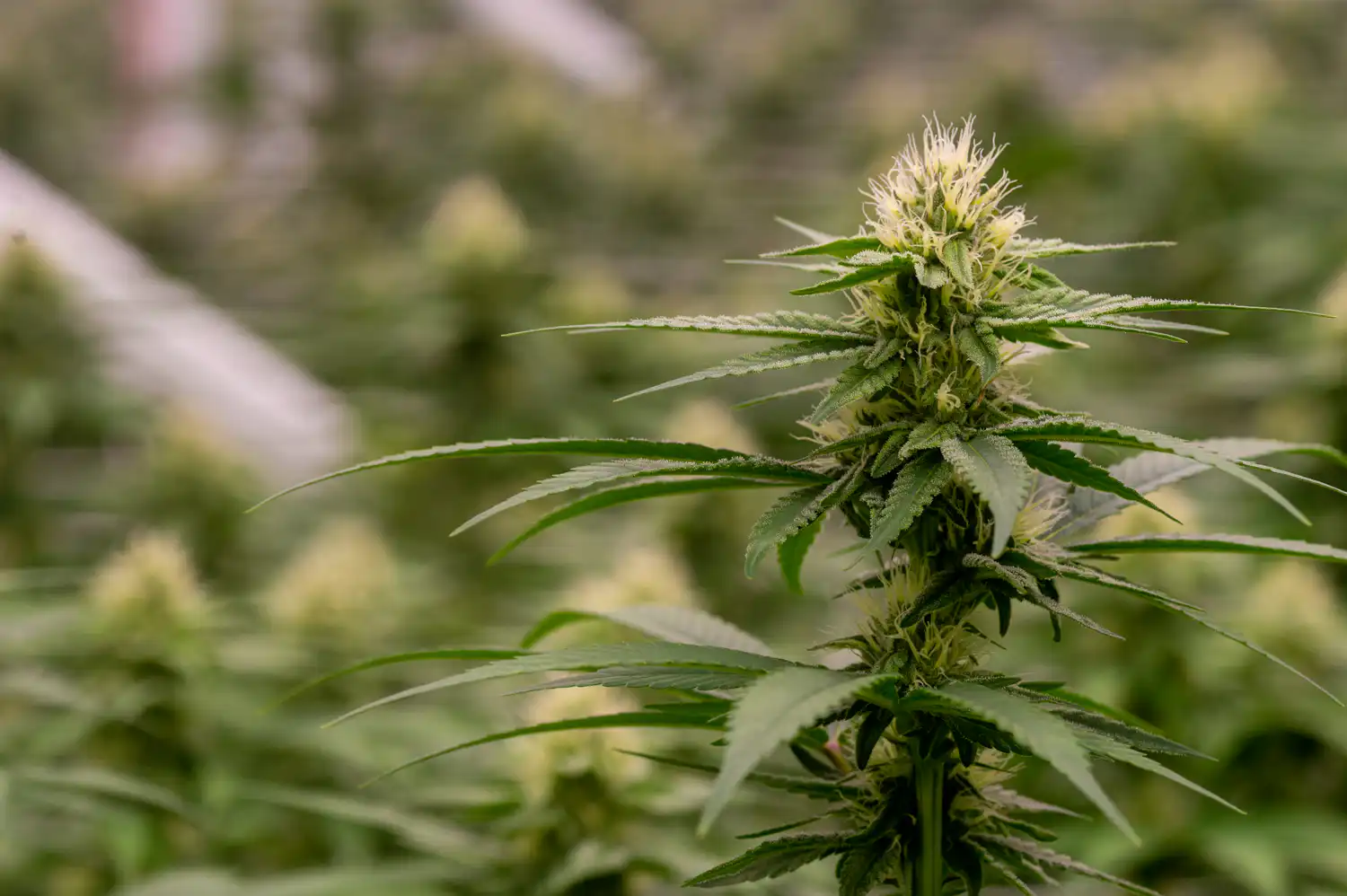
A newly filed bipartisan bill in the U.S. Senate would effectively let states opt out of the federal recriminalization of hemp THC products that is set to be enacted later this year.
Hemp derivatives with less than 0.3 percent delta-9 THC on a drug-weight basis were federally legalized under the 2018 Farm Bill that President Donald Trump signed during his first term in office. But late last year, Trump signed new legislation containing provisions that will redefine hemp in a way that advocates say stands to destroy the industry, making it so only products with 0.4 milligrams of total THC per container will remain legal after November 12.
Under the new Hemp Safety Enforcement Act—introduced on Thursday by Sens. Rand Paul (R-KY), Amy Klobuchar (D-MN) and Joni Ernst (R-IA)—states and Indian tribes could decide to continue regulating and allowing hemp THC products to be produced and sold in their jurisdictions despite the planned federal ban.
The new restrictive policy will “wipe out the multi-billion-dollar industry, while depriving individuals of products they depend upon to improve sleep, relieve anxiety, and alleviate pain,” Paul said in a social media post. “My bill would protect thousands of jobs, family farms, and safe access for veterans and seniors.”
“About half the states, including Kentucky, have already established their own regulatory rules for hemp: age limits, serving size caps, and testing requirements,” he said. “These state laws let farmers thrive while keeping products out of kids’ hands.”
The bill says that “a State or Indian tribe desiring to have primary regulatory authority over the production of hemp and hemp-derived cannabinoid products in the State or territory of the Indian tribe may submit” to the U.S. secretary of agriculture, “through the State department of agriculture (in consultation with the Governor and chief law enforcement officer of the State) or the Tribal government, as applicable, a notice that the State or Indian tribe elects not to be subject to” the impeding federal ban.
In order for the opt-out to take effect, state or Indian tribe would also need to “implement a minimum age requirement for the purchase of hemp-derived cannabinoid products,” the bill, S.4315, says—without specifying what that age limit needs to be.
The legislation would also allow interstate commerce between states and tribes that opt out of the broad national prohibition.
“We can look out for public safety without trampling states’ rights or adult choice,” Paul said. “We’ve seen prohibition fail before. It fails miserably.”
Earlier this week, Paul said in an online town hall meeting that the bill aims to avert what he called the “disaster” of the planned federal hemp product ban.
The GOP senator noted that Klobuchar is a member of the Senate Agriculture Committee that is preparing the next version of the Farm Bill.
“Our hope is that she can get a vote in committee to try to attach this to the Farm Bill,” Paul said of the standalone hemp relief bill. “We’re keeping our fingers crossed, but it’s difficult for those in business right now, because it’s a crop, it has to be planted, and if it’s going to be made illegal in November, farmers are wondering whether they should plant it this year.”
Jonathan Miller, general counsel of the U.S. Hemp Roundtable, told Marijuana Moment that the group is “deeply grateful” to the sponsors of the new legislation “for their steadfast continued leadership on behalf of the hemp industry.”
He said Ernst’s joining “the pro-hemp team” is a “major development.”
“Sen. Ernst is deeply respected for her agricultural experience,” Miller said. “Her participation is an important statement that U.S. farmers are deeply at risk if the impending ban goes into effect.”
Eric Zipperle, co-founder and CEO of the Kentucky-based company Cornbread Hemp, told Marijuana Moment that the bill “gets it right.”
“States are the microcosms of democracy, and Kentucky proves it. We already have a robust, functioning regulatory framework for hemp-derived THC—age verification, potency limits and retailer licensing,” he said. “Washington doesn’t need to reinvent the wheel. Let the states that have done the work keep doing it.”
Paul had previously announced back in November of last year that his planned hemp reform bill could be filed within days, but that didn’t materialize at the time.
Other lawmakers have introduced legislation to delay the scheduled recriminalization of hemp THC products, but those efforts have not gained traction with congressional leadership.
Meanwhile, the Trump administration this month launched a new initiative to cover up to $500 worth of hemp-derived products each year for eligible Medicare patients. The program being implemented by the Centers for Medicare & Medicaid Services (CMS) focuses largely on CBD but also allows a certain amount of THC in products.
Paul said in a social media post that his bill “preserves interstate commerce for legal products and is fully consistent with President Trump’s executive order expanding medical marijuana and CBD research.”
Anti-marijuana organizations filed a lawsuit suit against the Medicare hemp coverage policy, and lawyers for Health and Human Services Sec. Robert F. Kennedy Jr. and CMS Director Mehmet Oz recently filed a brief asking that the case be dismissed.
Meanwhile, the White House Office of Management and Budget has been holding a series of meetings about a Food and Drug Administration (FDA) CBD products enforcement policy.
FDA also issued guidance making clear that it does not intend to interfere with implementation of the Medicare hemp-derived products coverage plan.
CMS separately finalized a rule that will allow coverage of some hemp products as specialized, non-primarily health-related benefits through Medicare Advantage plans.
As hemp products have become more popular with consumers, some large brands are attempting to get in on action.
Major retailer Target, for example, is expanding its participation in the hemp-derived THC beverage market. Last year, the company began a pilot program involving sales of cannabis drinks at 10 select stores in Minnesota. That apparently went well, and now the company has obtained licenses from Minnesota regulators to sell lower-potency hemp edible products—including THC drinks—at all 72 of its stores in the state.
Read the full text of the new Senate hemp bill below:
https://www.documentcloud.org/documents/28054302-hemp-safety-enforcement-act/