Politics
South Carolina Lawmakers Are Letting Hemp THC Products Stay Legal Until At Least Next Year

“With THC drinks, it’s different from alcohol that you can smell or smokable marijuana that you can smell.”
By Skylar Laird, South Carolina Daily Gazette
The official death knell of two bills means South Carolina’s laws on driving under the influence won’t get stricter this year, and sales of THC-infused products continue without limitations.
Legislators left the Statehouse last week with no plans to come back until the next legislative session begins in January. That killed compromises on DUI laws and THC-infused drinks and gummies, which had been in legislative purgatory for nearly two months.
Both bills needed final approval from each chamber to head to the governor’s desk. Compromises worked out by House-Senate panels failed to win approval from the full chambers when legislators briefly returned in June.
A proposal intended to strengthen the state’s DUI laws needed supermajority approval to advance. But the 23-13 vote in the Senate fell short, primarily over angst about the THC bill. On the same day, the full House rejected the compromise limiting sales of intoxicating drinks and edibles infused with hemp-derived THC, the compound in marijuana that gives a high.
“The debates on those have been intertwined,” Senate Majority Leader Shane Massey told reporters June 25. “So, they’ll probably rise or fall together, and today, they both fell together.”
Massey left the door open at the time as to whether senators might try again to get the 31 votes needed on the DUI bill. Several of its backers couldn’t attend the one-day special session in June.
The chamber could have taken the bill up again last Tuesday when legislators returned to vote on the state budget.
But after some behind-the-scenes conversations, senators decided to wait, giving themselves more time to hammer out a better proposal, Massey told the SC Daily Gazette. This was the second year of a two-year legislative session. Any bill not passed before voters officially approve a new Legislature in November must start over completely in 2027.
“We’ll take a shot at it next year,” the Edgefield Republican said.
‘It’s frustrating’
Strengthening the state’s DUI laws was a priority for legislators in both chambers and both parties this year. Both the House and Senate passed versions of the bill unanimously.
Supporters of the bill say the state’s existing laws don’t do enough to deter drunken driving or punish those who do it.
“It’s frustrating,” Massey said. “We have way too many DUI-related injuries and deaths on our roadways.”
The bill was extensive, spanning more than 40 pages and touching on numerous technicalities of the state’s DUI laws. The scope of the proposal may have contributed to some of the concerns about it, since people had more to get upset about, said Rep. Robby Robbins, a member of the negotiating committee.
“It is a monumental undertaking,” said the defense attorney from Summerville. “It is just a massive amount of information.”
Major changes would have increased the punishment for people suspected of driving under the influence who refuse to take a breathalyzer test, created a mid-level offense for drivers who cause “moderate bodily injury” and made drug screenings easier for police officers.
The bill was also meant to make prosecution of DUI cases easier, requiring all cases have an actual prosecutor assigned instead of just the arresting officer, and removing loopholes that get cases tossed out over minor videotaping issues.
Until the law changes, South Carolina’s “situation won’t change,” said Stephen Burritt, regional executive director for Mothers Against Drunk Driving. In 2024, the most recent data available, South Carolina had the highest number of deaths caused by drunken driving per 100 million miles driven, according to a study by the national highway department.
“We’re just telling ourselves and the people of this state that we’re OK being the worst in drunk driving fatalities,” Burritt said.
The compromise also would have set a legal limit for how much THC a person could have in their bloodstream while driving. That came from the separate bill attempting to limit sales of THC products to adults over 21 and where they could be bought.
Adding that likely made the compromise tougher to pass, said Sen. Greg Hembree, a member of the negotiating committee. Senators who opposed the THC bill were the same ones in June who voted against moving forward on the DUI bill.
The proposal to regulate THC products proved much more controversial. In the House, representatives who wanted to ban the products entirely joined ranks with those who wanted to avoid strict limits on the industry, creating enough opposition to repeatedly thwart proponents’ efforts.
The Senate faced a similar challenge. In March, factions opposed to any THC products joined those who wanted minimal restrictions to vote down the bill after two weeks of debate. But enough senators changed their votes the following day to advance the proposal.
Next year’s goals on DUIs
Legislators in both chambers said they expect strengthening DUI laws to remain a top priority in the coming year.
The bigger question is what will end up in the bill that advances next year.
One major point of contention will likely be over whether every officer needs to go through training to become a drug recognition expert before arresting someone for driving under the influence of THC.
Hembree, a former solicitor, doesn’t think so. The course to become certified is lengthy and expensive, which is why fewer than 200 officers statewide have gone through the process, he said. Instead of giving officers more tools to arrest people for driving under the influence, it could instead become a bigger headache, he said.
“It creates another one of those tripwires we’re trying to get rid of,” the Little River Republican said.
But the issue became a “pinch point” with the House, Hembree said.
Members of the House think officers need that training to make sure they aren’t falsely accusing someone of driving under the influence of drugs, said Rep. Jeff Johnson, also on the negotiating committee. Determining whether a person has been drinking is easier than knowing the signs of being high on THC, he said.
“With THC drinks, it’s different from alcohol that you can smell or smokable marijuana that you can smell,” the Conway Republican said.
Legislators are going into next year hopeful they can reach a deal even better than the compromise they came up with this year.
While this year’s proposal coming so close to the finish line was disappointing, legislators will begin next year with a baseline, potentially allowing them to work out a better proposal, Hembree said.
“We start from a good place,” Hembree said. “It’s not like we’re carving it out of granite anymore. We’re putting polish on it.”
Next year for THC
As for THC drinks and edibles, legislators said they still want to see limitations. While marijuana remains illegal in South Carolina, the industry has flourished due to a loophole in federal law.
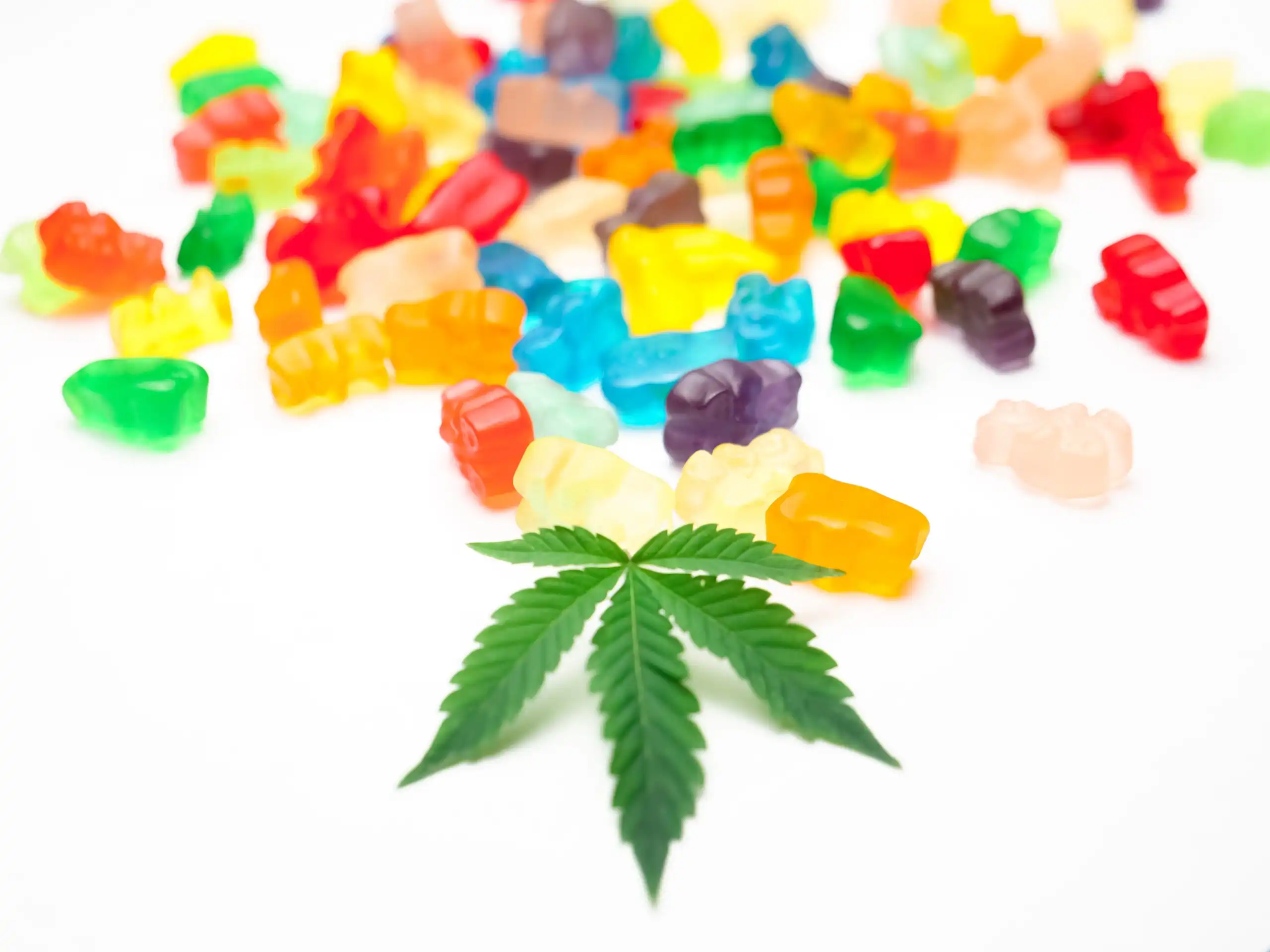
That means there’s no age restriction on buying the products, which are sold in gas stations, at grocery stores, in restaurants and at vape shops. And there are no restrictions on the products themselves, which can contain high amounts of THC.
A clincher in the debate could be federal action on intoxicating hemp products.
The spending package that reopened the federal government last fall included a provision setting limits on the amount of THC in hemp products. Proponents said it will close the problematic loophole, while opponents contend the limits will effectively kill the multibillion-dollar industry. The new rules were supposed to take effect in November. But this month, the Senate voted to delay implementation until December.
Whether Congress continues to delay the law or allows it to take effect will likely determine what happens in South Carolina, Robbins said.
“We’ve got to see what the feds do this fall,” Robbins said.
This story was first published by South Carolina Daily Gazette.