Politics
Federal Health Programs Will Cover Up To $500 Worth Of CBD For Certain Patients By April, Trump Official Dr. Oz Says

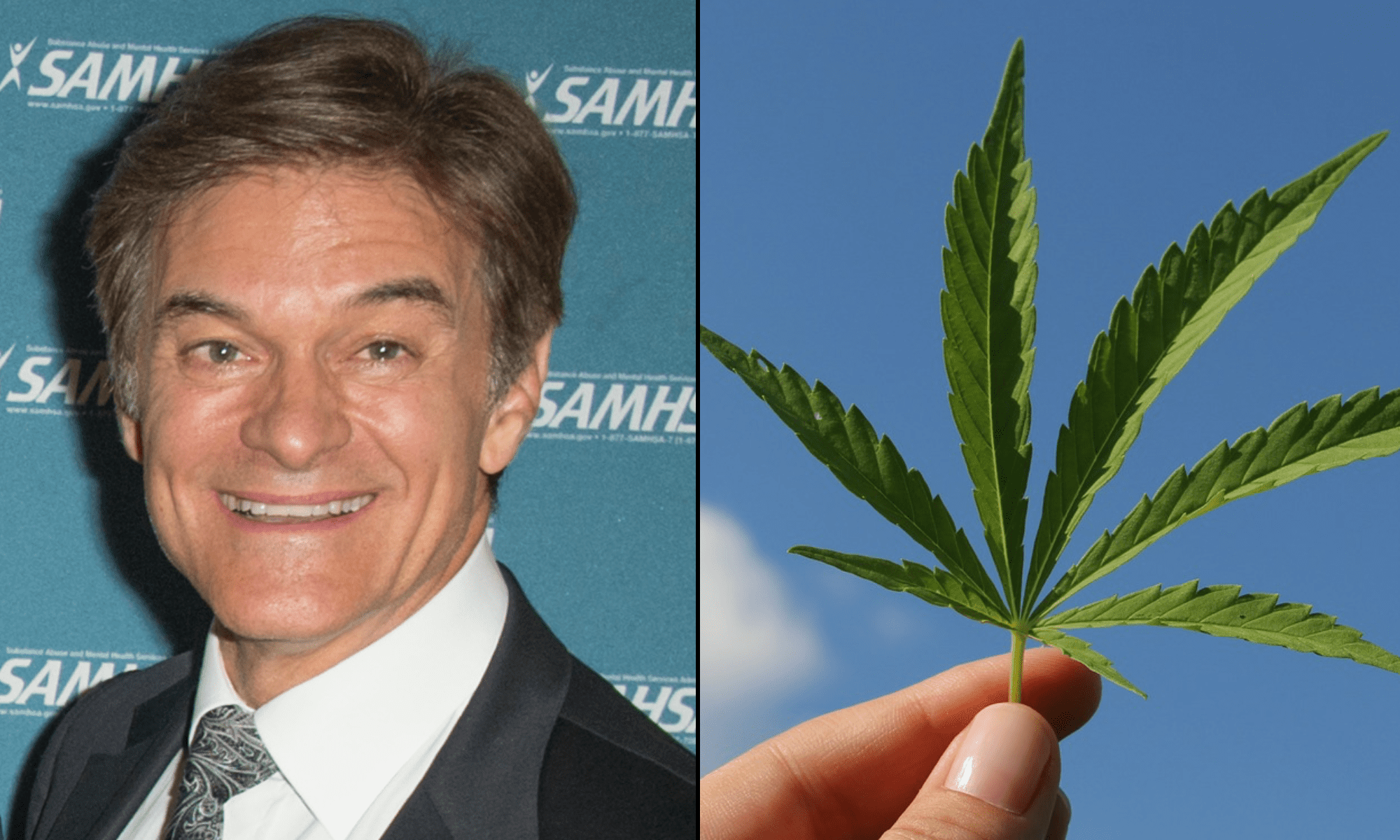
A top Trump administration health official said last week that his agency will soon launch a novel program to have Medicare cover the costs of CBD for certain patients. But while the administration has not yet released specific details about the initiative’s rollout, one cannabis company that says it’s partnering with the government on the effort has since shed some light on what to expect.
At a White House event last week, President Donald Trump signed an executive order directing the attorney general to complete the process of moving marijuana from Schedule I to Schedule III of the Controlled Substances Act (CSA). But another major reform was also announced: A pilot program enabling eligible patients to access hemp-derived cannabidiol that’d be covered under federal health insurance plans, projected to launch by April.
Mehmet Oz, administrator of the Centers for Medicare & Medicaid Services (CMS), spoke about the initiative at the signing ceremony, crediting Trump and U.S. Health and Human Services (HHS) Secretary Robert F. Kennedy Jr. for “pushing for change” and “relentlessly” pursuing an agenda rooted in a “deep passion for research.”
Oz said Trump called him “frequently” to discuss the potential benefits of CBD after hearing from friends who “got relief” from the cannabinoid product, and per his direction, CMS has created “a new model” and taken “additional actions to give seniors access to cannabinoids.”
“These are CBDs—they’re not addictive—which many are already using to manage pain,” he said. “There’s some clinical evidence that showing that CBDs provide relief from common conditions that affect Americans, including cancer symptoms and chronic pain and a slew of other problems that affect disproportionately seniors and our veterans.”
There are relatively few specific details about the new model, however, and the CMS website hasn’t yet posted information about the rollout or who would specifically qualify. That said, Oz explained that the policy change will “allow millions of Americans on Medicare to become eligible to receive CBD as early as April of next year—and at no charge if their doctors recommend them.”
One outstanding question concerns coverage eligibility. As described, it would affect those 65 and older who qualify for Medicare, but the specific qualifying conditions weren’t detailed. There was repeated mention of chronic pain, specifically related to cancer, but it’s possible the CBD eligibility criteria includes additional conditions.
Marijuana Moment reached out to CMS for additional clarity about the plan, but representatives did not respond by the time of publication.
At the Oval Office event, Oz said “sometimes these decisions are difficult,” and that while other presidents have “whiffed on this issue” because it’s “tough,” this administration is “passionate about making it clear that this patchwork that we’re working within now, the laws and regulations, they’re leaving patients and doctors without adequate guidance on the safeguards of how to use these products, even though they’re still being used.”
The administrator added that Medicare Advantage insurers CMS has contacted are “also agreeing to consider CBD to be used for the 34 million Americans that they cover.”
“If you can hear my voice and you’re over 65, you should pay attention to this executive order, because it’s going to touch your life,” Oz said. “Again, this all becomes active after the first quarter of next year. These CBD products must first meet local and state quality and safety standards. They must come from legitimate sources. They must abide by other regulations of those states with these boxes checked.”
He said patients can be reimbursed for up to $500 worth of hemp-derived cannabinoid products per year, and CMS will be collecting data on the patient outcomes and making the data publicly available to analyze.
“If it shows promise, we will expand access to these products to even more conditions amongst Medicare [and] Medicaid beneficiaries,” he said.
Oz also gave kudos to Howard Kessler, founder of The Commonwealth Project, which produced a video about the benefits of cannabidiol for seniors that Trump shared on Truth Social earlier this year and who apparently has pressed the president to enact reform to expand cannabis access.
One company that says it will be participating in the CBD pilot program is Charlotte’s Web, which has long advocated for reform and focused on the therapeutic potential of cannabinoids for people with severe epilepsy.
CEO Bill Morachnick said in a press release that the business is “proud” to “bring trusted CBD options to underserved seniors battling cancer” through the initiative.
“Charlotte’s Web was founded to help Charlotte Figi, whose medically challenging life became a CBD success story,” he said. “Her journey inspired research, opened doors to access, and changed perceptions about the therapeutic benefits of CBD around the globe.”
“The Company made a promise to Charlotte, her mother Paige, and the millions who followed her: to set the standard for the entire industry by leading with quality, consistency, and science,” he said. “As the CBD market leader and a trusted partner throughout the country among healthcare practitioners, this initiative marks a historic step forward, uniquely positioning Charlotte’s Web to expand access to safe, non-intoxicating hemp CBD products through existing pathways.”
“This initiative represents a blueprint for patient-centered CBD healthcare—one that advances alongside our medical channel expansion and deepening clinical research. The potential of the hemp plant is still being furthered, and studies like the Phase 2 FDA clinical trials investigating hemp-based therapies for autism spectrum disorder at our affiliated company, DeFloria, are critical to making its therapeutic promise even more accessible for health insurance-covered care. Our work through this program and our ongoing research demonstrate how rigorous science and compassionate care can converge to serve patients who need it most.”
“This pilot program would inform potential expansion into other patient populations to use CBD to support sleep, anxiety, pain, and general wellness as identified in the Federal Register,” the company said, referencing a recent notice from CMS about its existing plans to authorize health insurance coverage for CBD under certain Medicare programs.
While CMS implemented an earlier 2026 final rule in April specifically stipulating that marijuana, as well as CBD that can be derived from federally legal hemp, are ineligible for coverage under its Medicare Advantage program and other services, the agency has since revised that policy.
The Commonwealth Project estimates that 8,000-12,000 patients will participate in the program, with projections of up to $64 billion in “potential annual savings through improved symptom management and reduced reliance on certain high-cost interventions,” according to information in a press pitch on behalf of Charlotte’s Web.
While Oz said April 2026 is when eligible patients will be able to take advantage of the policy change, the hemp stakeholders’ press pitch said the pilot program itself is set to launch in January.
Marcel Bonn-Miller, chief scientific officer at Charlotte’s Web, said “scientific rigor underpins every aspect of this program.”
“With more than a decade of consumer use and extensive safety studies, Charlotte’s Web integrates real-world evidence, patient-reported outcomes, and clinical insights into its R&D process to ensure products are safe and effective,” he said.
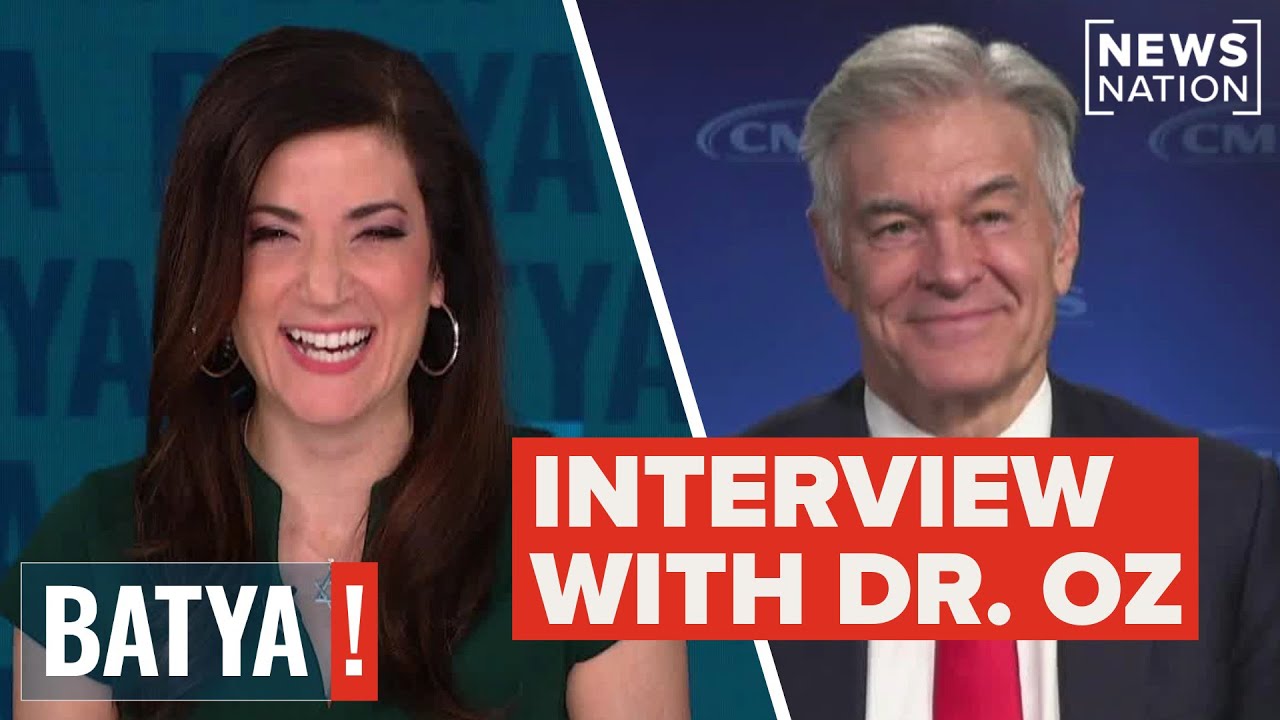
Meanwhile, following the White House announcement last week, Oz spoke with NewsNation about the policy change, responding to a question about how the broader marijuana rescheduling decision squares with the Trump administration’s aggressive efforts to stymie the flow of other illicit drugs, particularly fentanyl.
“We think they fit hand in hand,” he said. “This is really about researching—specifically CBD, which is hemp-derived endocannabinoids [sic]—are actually worthy of Americans using them,” he said. “It’s hard to do some of this work, especially with medical marijuana. And this is not about legalization of marijuana.”
“There is no legalization language at all,” he added. “It’s about rescheduling this class of product so that it can be researched more readily.”
The idea that marijuana has no medical value, as its currently defined as a Schedule I drug, is “just patently wrong for marijuana,” he said, noting that the Food and Drug Administration (FDA) has approved certain cannabis-based drugs for conditions such as epilepsy “that work quite nicely.”
“That belief that it should be Schedule I is just an incorrect place to put it,” he said. “Schedule III seemed to make sense to the president. He argued that it allows us to do the research more readily.”
“We’re finding a way to allow Medicare beneficiaries to get access to some of these products. And so, within Medicare, we have the ability, for the first time ever—and we delivered on this promise to the president today—to allow doctors to recommend hemp-derived CBD for patients who have cancer, for example, and have a lot of pain from that.”
The administrator said surveys show a majority of seniors who take CBD for pain management find it beneficial, and the White House wants to “make it easier for patients to access this” and allow them to access the cannabinoid at “no charge” through the federal health insurance program.
“If it works well, we’re going to get a lot of data—and we’ll know a ton more about whether this truly makes a difference for the American people,” Oz said. “But again, I want to emphasize this: I don’t like marijuana smell walking down the streets. The president doesn’t either.”
Trump and Kennedy “don’t drink, so they definitely don’t smoke marijuana. So this is not about legalizing these products,” he said.
In recent years, Dr. Oz has encouraged audiences to be open to therapeutic cannabis and advocated for sweeping policy changes around the drug.
“We ought to completely change our policy on marijuana. It absolutely works,” he said in a 2020 interview, calling cannabis “one of the most underused tools in America.”
Last year, he wrote in a syndicated health column that there’s evidence cannabinoids can curb seizures, alleviate nausea associated with cancer treatment and potentially help manage pain—especially in older people.
Oz also said in 2020 that he believes that, particularly for seniors, marijuana for pain represents a “safer solution than, for example, narcotics in many cases.”