Politics
Congressional Researchers Call Out FDA For Not Publishing Hemp Cannabinoid Lists And Guidance On Product Containers That’s Six Months Overdue

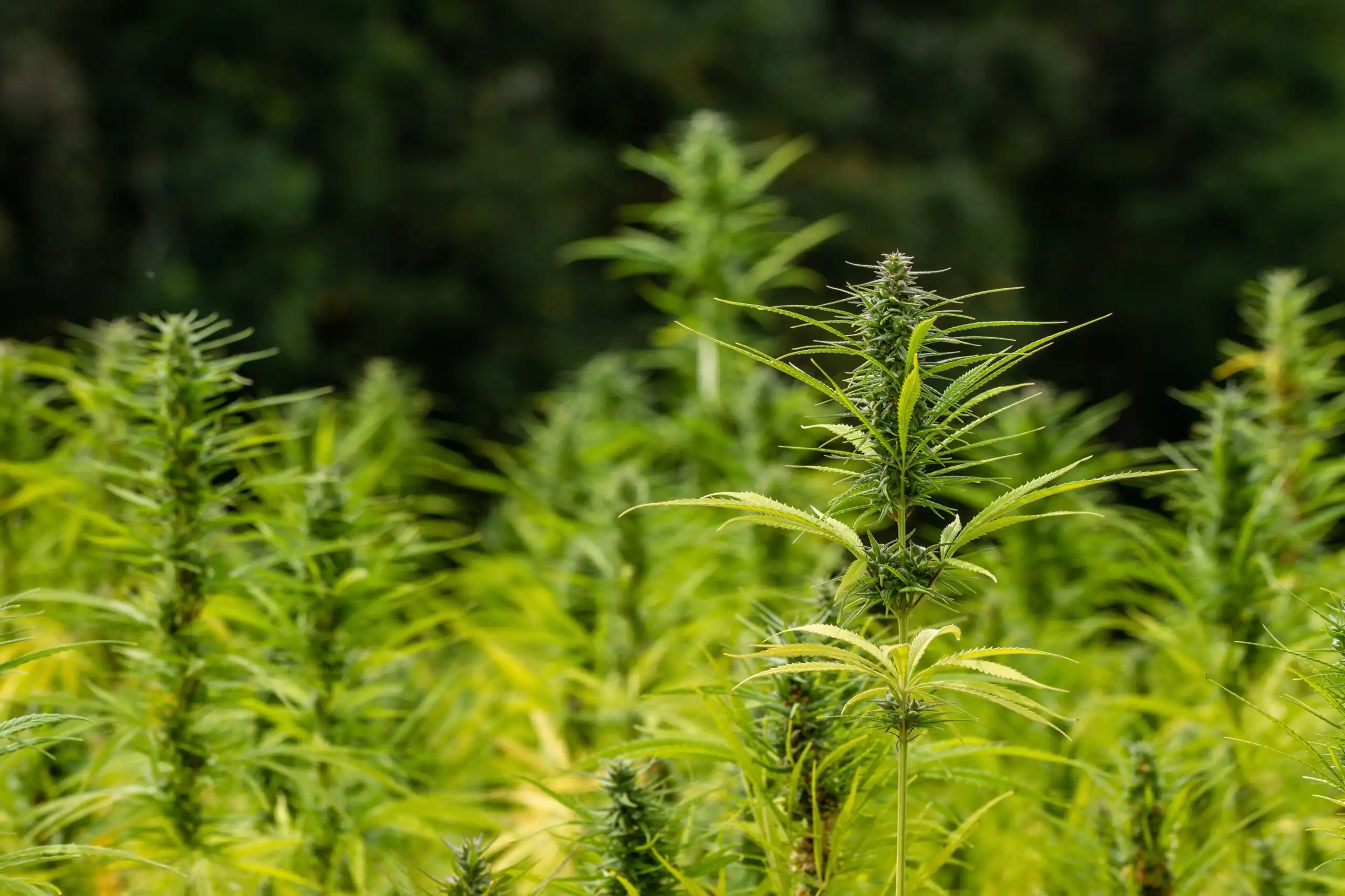
Congressional researchers are again noting that the Food and Drug Administration (FDA) has missed a legal deadline to publish a list of known cannabinoids and guidance on hemp product containers as federal laws for the crop and its derivatives are set to change later this year in a way that stakeholders argue will upend the existing market.
The agency’s failure to follow through on what lawmakers directed will make it harder to comply with the law, hemp industry operatives say.
As part of appropriations legislation that President Donald Trump signed last year, many hemp products that were legalized during his first term in office under the 2018 Farm Bill will be prohibited once again starting in November.
The spending also measure included separate provisions directing FDA and other relevant agencies to study the cannabinoid marketplace and develop lists of cannabis components as well as issue guidance on hemp product containers for serving sizes.
Specifically, after the bill was signed, FDA was given 90 days to publish 1) a list of “all cannabinoids known to FDA to be capable of being naturally produced” by cannabis 2) a list of “all tetrahydrocannabinol class cannabinoids known to the agency to be naturally occurring in the plant” and 3) a list of “all other know cannabinoids with similar effects to, or marketed to have similar effects to, tetrahyrocannabinol class cannabinoids.”
Further, the agency was tasked with providing “additional information and specificity about the term ‘container’” with respect to hemp product THC serving sizes on the same 90-day timeline. In the bill, the term is defined as “the innermost wrapping, packaging, or vessel in direct contact with a final hemp-derived cannabinoid product in which the final hemp-derived cannabinoid product is enclosed for retail sale to consumers, such as a jar, bottle, bag, box, packet, can, carton, or cartridge.”
The lists and information was due more than six months ago, on February 10, but FDA did not follow through by the deadline—and still hasn’t published the required information.
Now, the Congressional Research Service (CRS) is noting in an updated report published last week that the law “requires FDA to consult with relevant federal agencies and publish [the guidance] within 90 days of enactment (which, as of August 2026, has not been published).”
Marijuana Moment sent requests to FDA for an update on its plans to publish the required guidance and any reaction to CRS’s report, but representatives did not reply.
A spokesperson for the U.S. Department of Health and Human Services (HHS), of which FDA is a component, told Marijuana Moment earlier this year that it was the agency’s intention to provide the lists in time and that they would be published in the Federal Register. However, that’s yet to materialize—and officials did not provide clarification when asked for an update.
That causes complications for the hemp product industry.
“It is difficult to comply with the law while key definitions are still in question,” Jim Higdon, cofounder and chief communications officer of Cornbread Hemp, told Marijuana Moment on Friday. “Without knowing the definition of container or exact list of cannabinoids that are covered by the ban, how does one comply?”
The new report isn’t the first time that CRS has called out FDA for missing the hemp-related deadline, as researchers noted the issue in an earlier analysis published back in May.
Hemp derivatives with less than 0.3 percent delta-9 THC on a dry-weight basis were federally legalized under the 2018 Farm Bill that Trump signed during his first term in office. But late last year, the president signed new spending legislation containing provisions that will redefine hemp to make it so only products with 0.4 milligrams of total THC per container will remain legal after November 12.
That said, Senate recently approved a funding bill that includes a provision to delay the effective date of most parts of the hemp product ban until December 11—a move that was supported by the White House. While that change has not yet been approved by the House of Representatives or enacted into law, industry supports believe it could give them more time to convince Congress to enact a regulatory structure for hemp products as an alternative to broad prohibition.
Lawmakers from both parties have filed several bills to create regulations for hemp THC products, but none of those proposals have gained traction with congressional leadership.
The new CRS report, meanwhile, noted that “some stakeholders, including attorneys general in several states, have opposed delaying the effective date of the hemp definition, stating general support for the new definition and that states have altered or aligned their laws and regulations with the new definition.”
“Conversely, some hemp industry groups have expressed opposition to the definitional changes and prefer regulation of hemp-derived consumer products through agencies like FDA,” it said. “These stakeholders have generally supported delaying the effective date for the new hemp definition to extend the time for Congress to potentially pass a different regulatory framework for hemp products.”
The congressional research concluded by providing a brief overview of several pending bills that would further alter federal rules for hemp, saying that lawmakers “may consider whether to further amend the statutory definition or implement regulatory frameworks for certain hemp products.”
The White House in June asked Congress to take action to prevent the broad federal recriminalization of hemp in order to “ensure the fair treatment of hemp products.”
In April, the president himself urged congressional lawmakers to again redefine hemp to avoid recriminalization of full-spectrum CBD products.
“I am calling on Congress to update the Law to ensure that Americans can continue to access the full-spectrum CBD products they have come to rely on, and that help them, while preserving Congress’s intent to restrict the sale of products that pose Health risks,” Trump said in a Truth Social post on the same day his administration announced it is moving forward with rescheduling marijuana.
“We must get this done RIGHT and FAST, especially for those who saw that CBD helps them,” he said. “Plus, I am told it will also help our GREAT FARMERS, who we love, and will always be there for.”