Science & Health
CBD Provides Pain Relief, Improves Sleep And Aids Relaxation, Study Involving Olympic Athletes Shows

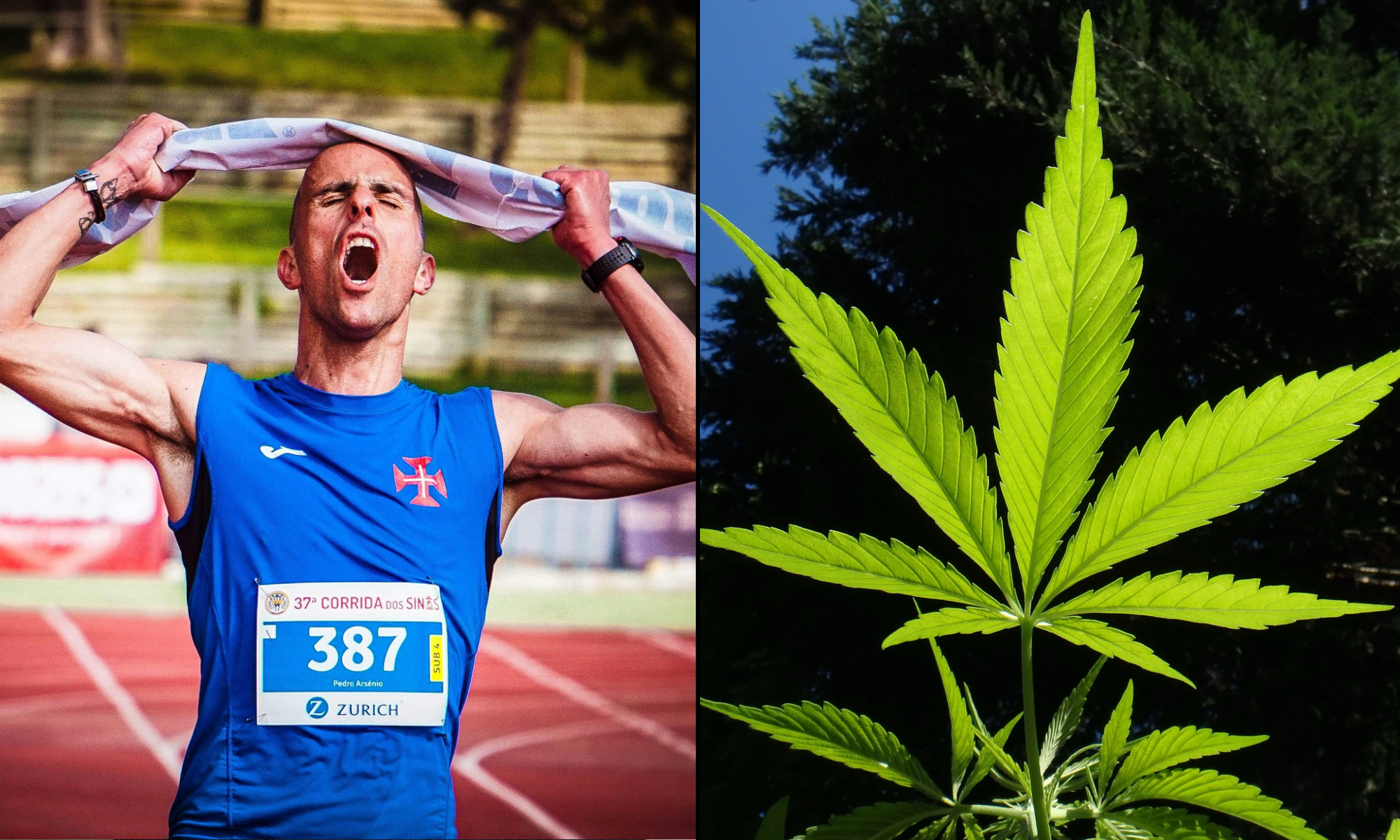
Elite athletes find cannabidiol, or CBD, useful for soreness and recovery, a new study shows.
Researchers found that top competitors use CBD to manage pain, improve sleep and ease the stress of training at the highest level. But the results suggest that even as many athletes believe the cannabis compound helps them recover, they also worry that using it could jeopardize their careers under international anti-doping rules.
The study, conducted between late 2021 and mid-2023 and published this month in the journal Frontiers in Nutrition, surveyed 80 elite Canadian athletes across 27 national sport organizations. To be included, athletes needed to have experience as part of the country’s Olympic or Paralympic team program.
About 38 percent reported using CBD at some point, and nearly a third of those said they were still using it at the time of the survey.
The participants’ motivations reflect a broader societal trend of relying on CBD for therapeutic benefit. The study found that 96 percent of CBD users said they believed the substance was safe, 93 percent said it improved their sleep, 90 percent said it helped them relax and 77 percent credited it with reducing pain from training.
“Thirty eight percent of athletes self-reported using CBD, and cumulatively agreed or strongly agreed that CBD improved sleep and relaxation, reduced pain from training, and enhanced physical and mental recovery following training or competition.”
Despite the reported benefits, CBD use among athletes remains a controversial topic. Although the World Anti-Doping Agency removed CBD from its list of banned substances in 2018, all other cannabinoids—including THC—remain prohibited. This creates conditions the authors describe as “a fine line between unintentional doping and intentional use of cannabis products.”
Because many commercially available CBD products contain trace levels of these banned compounds, athletes who rely on them may be risking inadvertent doping violations. That concern, researchers found, was the single most common reason athletes chose not to try CBD or stopped using it altogether.
The authors, affiliated with McGill University and the Canadian Sport Institute, also noted that “some CBD-fortified foods and beverages have been reported to convert CBD into THC under low pH conditions…potentially yielding sufficient THC (3 mg) to trigger a positive urine test for prohibited cannabinoids.”
They further observed that physical exertion prior to testing may increase detectable THC levels.
Altogether, the situation puts athletes in a kind of limbo. Those who feel genuine relief from CBD are left to navigate a market where product labels can’t always be trusted and scientific guidance remains sparse. Many said they first heard about CBD through friends or online, not from sports physicians or trainers.
“Many athletes expressed concerns about the potential for inadvertent anti-doping rule violations due to CBD product contamination with THC or other banned cannabinoids.”
“Given that athletes frequently reported obtaining information on CBD from friends and online sources,” the authors wrote, “there is also a need to test interventions that enhance evidence-based knowledge among both athletes and clinicians.”
The study comes following sports leagues in the U.S. taking steps to update their marijuana policies as legalization becomes more widespread, including the National Collegiate Athletic Association (NCAA) and the National Football League (NFL).
An NFL-funded study from 2024 found that marijuana use is becoming more widely accepted among athletes. The authors of that paper noted that “education and awareness on benefits and potential harm is needed for athletes, medical staff, and policymakers.”
Meanwhile, the Major League Baseball (MLB) removed marijuana from its list of banned substances in 2019. The National Basketball Association followed suit in 2023.