Politics
World Health Organization Won’t Ease Coca Leaf Ban, Even As Review Found Prohibition Is More Dangerous Than The Plant

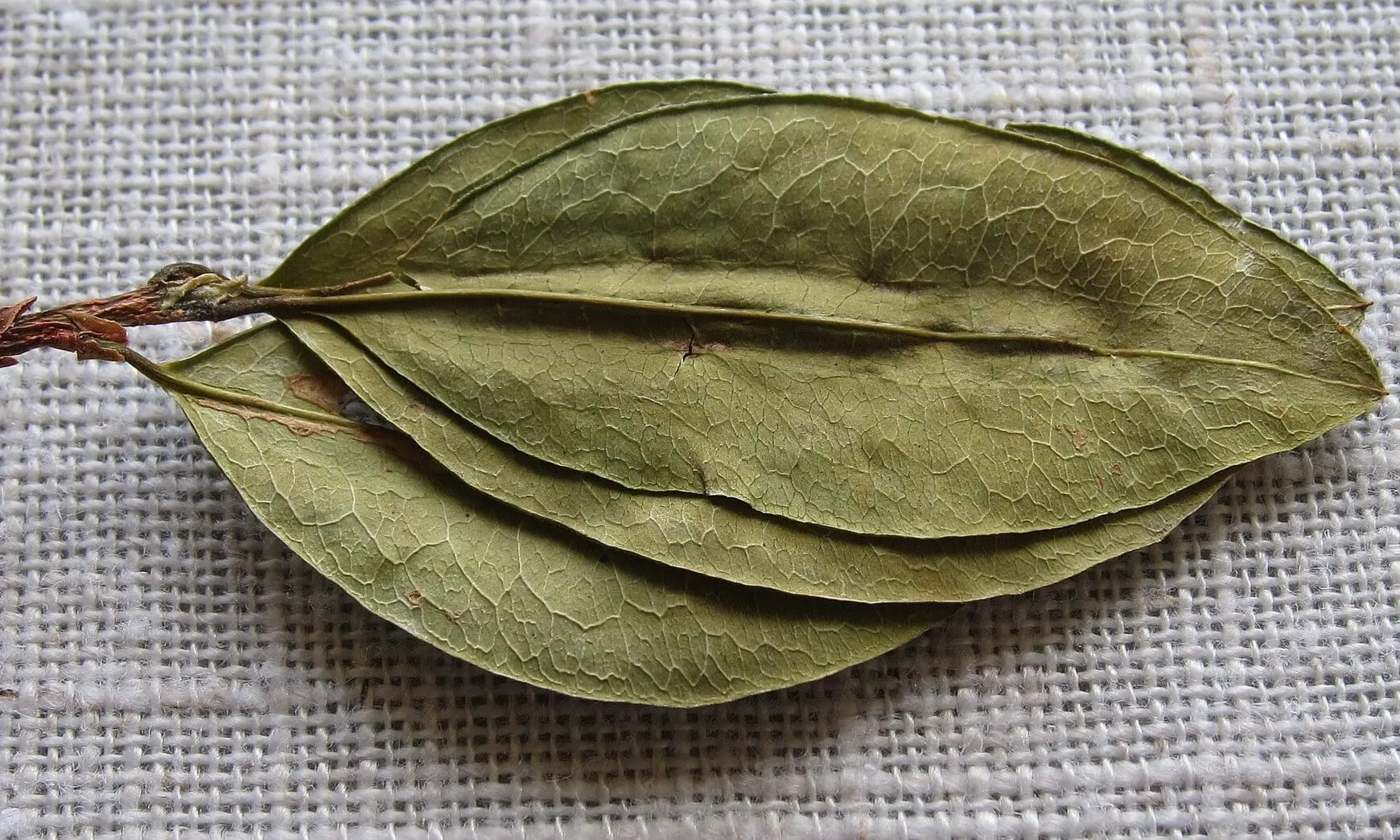
“It’s unacceptable for humanity to demonize a sacred medicinal plant. It was more of a political decision than a scientific one.”
By Mattha Busby, Filter
The World Health Organization had a historic opportunity to ease a strict global ban on the coca leaf—a prohibition, campaigners said, with “racist and colonial” roots. But the agency has chosen not to do so.
The WHO’s own expert review had detailed in September how millions of people across the Andes consume the coca leaf daily as part of a longstanding cultural practice without any significant negative effects—and that, conversely, coca control strategies are associated with substantial public health harms.
And yet on December 2, the WHO’s Expert Committee on Drug Dependence (ECDD) recommended that the plant be kept in Schedule I of United Nations drug treaties—the most restrictive category of control—because coca leaves can relatively easily be converted into cocaine.
“The simplicity of extracting cocaine from coca leaf and its high yield and profitability are well known,” the ECDD wrote. “The Committee also reviewed evidence of a marked increase in coca leaf cultivation and in the production of cocaine-related substances, in the context of significant, increasing public health concern about cocaine use. In that context, the Committee considered that reducing or removing existing international controls on coca leaf could pose an especially serious risk to public health.”
The committee noted that a 34 percent year-on-year increase in cocaine production was reported in 2023, with some countries reporting historically high levels. But reform advocates emphasize that coca is not cocaine. They insist that the WHO’s review acknowledged both the plant’s medical potential and the lack of evidence of problematic coca leaf use anywhere in the world—two key criteria a drug must satisfy to be placed in a less restrictive schedule.
“It’s unacceptable for humanity to demonize a sacred medicinal plant,” Jaison Perez Villafaña, a wisdom keeper or mamo from Colombia’s Arhuaco community, told Filter. “It was more of a political decision than a scientific one. The coca leaf (el ayu) is not itself to blame for being converted into cocaine by humans with economic interests.”
The ECDD said it recognized that “coca leaf has an important cultural and therapeutic significance for Indigenous peoples and other communities and that there are exemptions for traditional use of coca leaf in certain national frameworks.” A coalition of Indigenous coca leaf producers and consumers wrote to the WHO in October urging the UN body to “clearly differentiate” between traditional coca use and issues associated with cocaine.
Steve Rolles, senior policy analyst at Transform Drug Policy Foundation, called the WHO’s suggestion that keeping coca in Schedule 1 would restrict cocaine production “ridiculous,” saying the decision exposed “the moral and scientific bankruptcy pervading the entire system” of global drug control.
“Whilst we may expect decisions like this to emerge from political bodies subsumed within entrenched ‘war on drugs’ narratives, there was a hope that the more objective, scientific, and nominally independent corners of the UN would maintain a degree of pragmatism and principle—even if their recommendations were later rejected by UN political entities,” he wrote on LinkedIn.
“The risks of cocaine powder or smoked crack cocaine, creations of the global North, which is also by far the biggest market for both, are demonstrably of a different order to traditional coca use, chewed or in tea, which occurs exclusively in the global South,” Rolles added. “It is the global South where the burden of both the failed war on cocaine, and the criminalization of entire cultures is most acutely felt.”
In 2020, following a WHO recommendation, the UN’s Commission on Narcotic Drugs voted narrowly to relax international controls on cannabis, acknowledging its medical value after decades of “reefer madness.” For reform advocates, that decision appeared to signal a slow and overdue shift toward evidence-based scheduling. Therefore there were hopes that the UN system could also distinguish between the coca leaf—containing less than 1 percent cocaine alkaloid—and the refined powder that fuels global demand.
Yet coca will continue to be treated as though it has the same risk profile as cocaine—even after the WHO review affirmed that traditional coca chewing has caused no documented fatalities, is not associated with significant dependence or “abuse” potential, and has possible therapeutic applications ranging from anti-inflammatory effects to modest improvements in post-meal glucose.
“The WHO’s decision is deeply disappointing and profoundly troubling,” Ann Fordham, executive director of the International Drug Policy Council, said in a press release. “This was not a routine review—it was a critical test of the UN drug control system. The Committee has shown it cannot objectively assess evidence or consider the human rights consequences of prohibition. Instead, it has chosen to reinforce the racist and colonial foundations of international drug control. This decision makes clear that the system is broken and resistant to meaningful reform.”
Experts have long argued that the logic behind the coca ban is selective and ignores existing treaty precedents. Plants such as ephedra, which is used to manufacture methamphetamine, psilocybin-containing mushrooms and mescaline-producing cacti all remain unscheduled at the plant level, despite being used to produce controlled substances.
While open persecution of coca-chewers in the Andes has waned, prohibition still shapes daily life in parts of the region—from farmers who lose crops to stop-start aerial fumigation campaigns, to communities caught between eradication forces and the networks that dominate the illegal cocaine trade. In the September review, the independent group of experts contracted by the WHO noted research that showed exposure to harmful glyphosate-based pesticides like Roundup, found to be a probable carcinogen, from authorities’ aerial spraying of coca crops “increased the number of miscarriages and the number of medical consultations related to dermatological and respiratory illnesses in targeted communities.”
The review added that another study showed that forced coca eradication incentivized coca farmers to intensify production through increased use of toxic agro-chemicals “in remaining or subsequent coca plots, increasing their exposure to those chemicals.”
Villafaña and other Indigenous leaders have warned that these pressures amount to a form of cultural violence. Coca is central to Andean communities’ spiritual practice, conflict resolution, work, ceremony and community health—yet its use outside narrow “traditional” exemptions places people at risk of criminal sanctions.
“It would be a relief for us as a culture,” Villafaña said, “if the world recognized it as a sacred plant and didn’t demonize it.” But, he added, the decision would not otherwise affect his community, whose members will continue chewing coca as they always have done.
This article was originally published by Filter, an online magazine covering drug use, drug policy and human rights through a harm reduction lens. Follow Filter on Bluesky, X or Facebook, and sign up for its newsletter.