Politics
New York Officials Tout $2.5 Billion In Marijuana Sales, Expansion Of Licensed Businesses And More Since Adult-Use Legalization

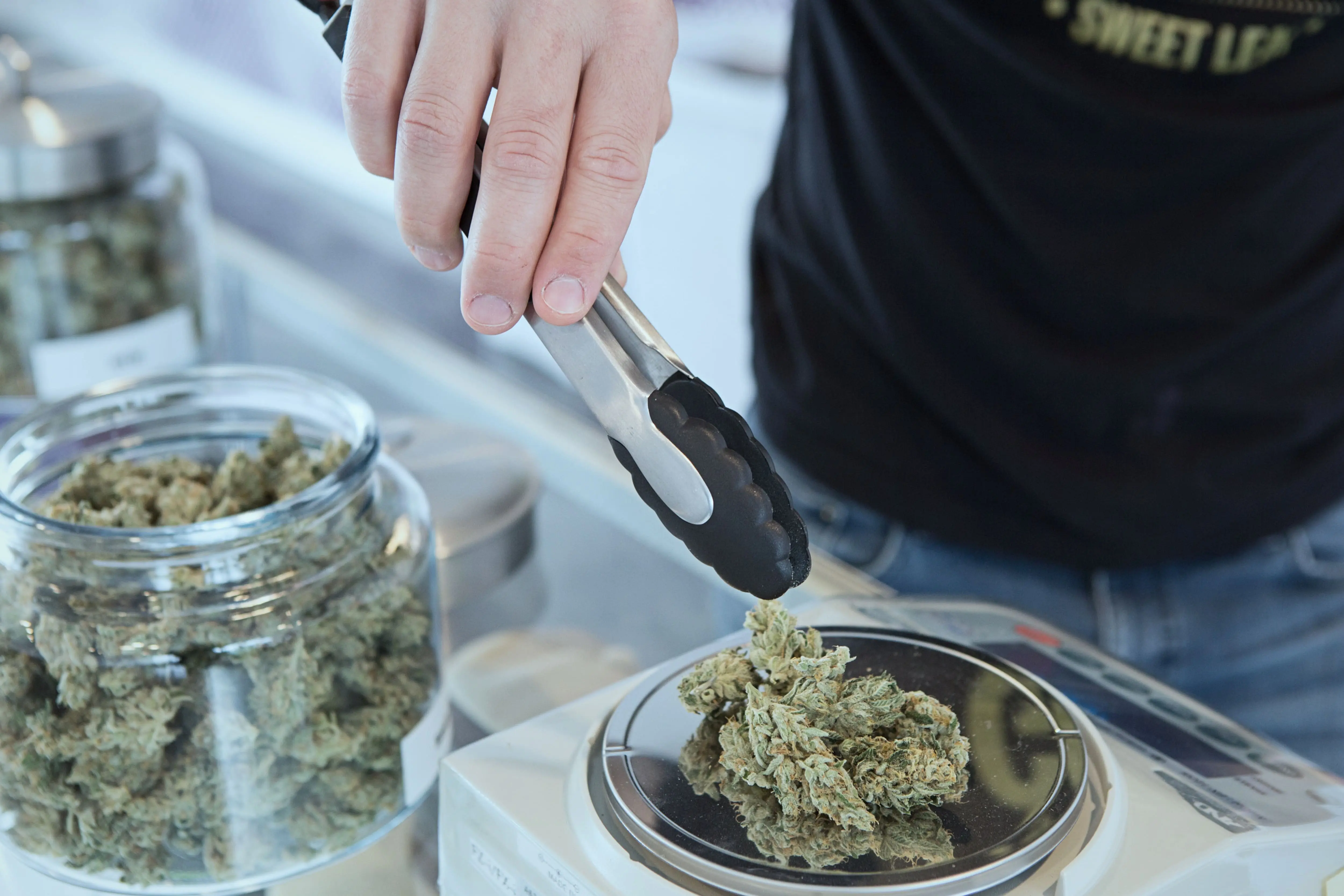
New York officials have released a set of reports providing an end-of-year status update on the evolution of the state’s medical and adult-use marijuana markets—touting record sales, revenue hauls for state coffers, licensing approvals, equity initiatives and more.
All told, retail cannabis sales in New York have exceeded $2.5 billion since the passage of recreational legalization, including $1.6 billion that was generated this year alone as of November. Also, licensed storefronts nearly doubled from 261 last year to 556 in 2025.
The Office of Cannabis Management (OCM) said the state “continues to exceed” equity goals, specifically pointing to the fact that 55 percent of adult-use licenses are held by Social and Economic Equity (SEE) businesses. That includes 50 percent that are minority-owned and 47 percent that are women-owned.
The reports also touch on enforcement activity to mitigate the illicit market. And this year, OCM said it “completed 2,017 enforcement actions, resulting in over $20 million worth of illicit cannabis product seized.”
“New York’s cannabis framework was designed to pair strong regulation with meaningful opportunity, and this year’s Annual Report shows continued progress toward that goal,” Jessica Garcia, chair of the Cannabis Control Board (CCB), said in a press release. “As the legal market expands, we remain focused on building an inclusive industry and ensuring the benefits of legalization are shared broadly.”
“The launch of initiatives like the community reinvestment grants and the CAURD Grant Fund marks a critical step in returning resources to communities disproportionately impacted by prohibition, while maintaining the safeguards that protect consumers and support compliant businesses,” she said.
The OCM annual report also notes that Gov. Kathy Hochul (D) signed legislation into law that expands the state’s medical cannabis program by improving patient access and “updating the program framework to better meet patient needs statewide.”
The legislation the governor signed also grants reciprocity to out-of-state residents, streamlines the patient certification process and allows adults 18 and older to grow their own cannabis plants for therapeutic use.
“Looking ahead, we remain committed to fulfilling the vision of MRTA through licensing, regulatory reform and supporting social equity applicants,” Garcia said in the report. “We have new license types to issue that will provide additional economic opportunities to New Yorkers.”
“We must improve patient access to the medical program and remain committed to working towards that in 2026. We will work with the OCM to continue to strengthen enforcement efforts against the illicit market,” she said. “Lastly, we are invested in building trust with our stakeholders and the public at-large and aim to strengthen our communications and public engagement efforts, particularly as they inform our decision-making process.”
Officials also noted that the state has taken in nearly $341 million in marijuana tax revenue from medical and adult-use sales from April 1, 2023 to November 30, 2025.
“Sales remain concentrated among a limited number of high-performing locations,” it says. “As of November 30, 2025, the top 10 stores account for 29 percent of statewide sales, the top 25 for 43 percent and the top 50 for nearly 61 percent. The top performing 50 percent of all operating stores generate about 80 percent of total sales, reflecting early advantages in location, brand presence, and operational scale.”
Notably, the report reinforces advocates’ argument that regulating, rather than criminalizing, marijuana sales can deter youth use—despite prohibitionist arguments to the contrary. In fact, the percentage of New York high school students reporting past-month cannabis use has fallen from 20 percent in 2013 (pre-legalization) to 12.5 percent in 2023.
“This Annual Report reflects the market New Yorkers have built together over the past year. We expanded access to regulated, tested cannabis products, strengthened consumer protections, and continued to advance an equity-centered market framework,” Susan Filburn, acting executive director of OCM, said in a press release.
“Surpassing $2.5 billion in adult-use sales is a major milestone, and our focus moving forward is ensuring this growth remains responsible, transparent, and grounded in public health and safety, while continuing to deliver opportunity and reinvestment to the communities most impacted by prohibition,” she said.
“OCM remains committed to responsible growth, transparent regulations, and economic opportunity for all New Yorkers. In 2026, OCM will focus on accelerating licensing and market access for equity entrepreneurs, strengthening statewide compliance and enforcement efforts, and expanding consumer education to promote safer cannabis consumption and build trust in the regulated market, further strengthening a safer and sustainable regulated market.”
—
Marijuana Moment is tracking hundreds of cannabis, psychedelics and drug policy bills in state legislatures and Congress this year. Patreon supporters pledging at least $25/month get access to our interactive maps, charts and hearing calendar so they don’t miss any developments.
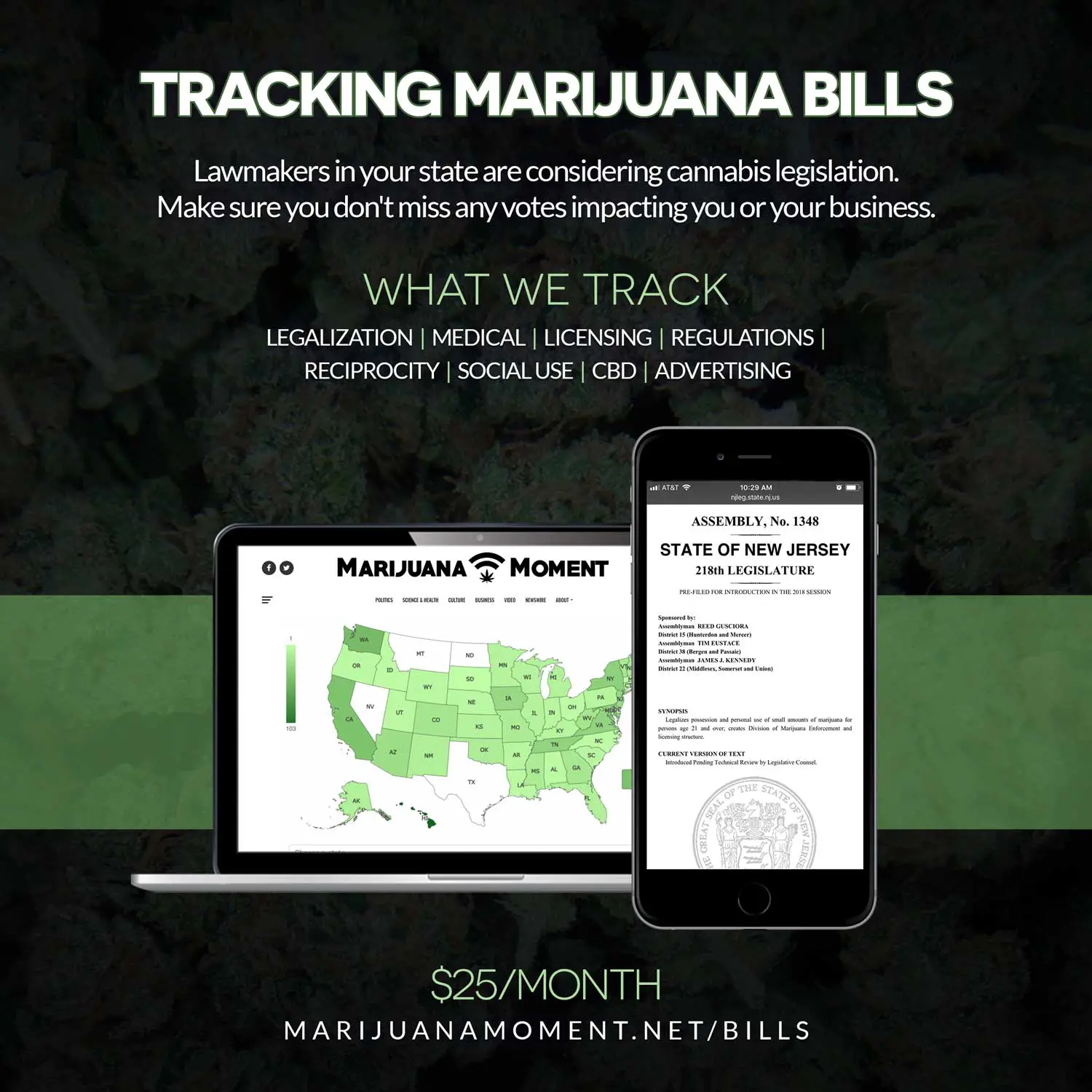
Learn more about our marijuana bill tracker and become a supporter on Patreon to get access.
—
Meanwhile, given confusion within the marketplace about timelines for provisional licenses, CCB said it will be extending the renewal deadline for conditional adult-use until December 31, 2026.
“This extension provides licensees additional time to secure viable locations and move toward full licensure,” OCM said. “It will also apply to any provisional licenses issued between September 9, 2025, and December 30, 2025, ensuring clarity and consistency for all provisional license holders.”
Part of the uncertainty surrounding provisional licensees concerns a recently identified zoning issue impacting more than 100 cannabis businesses that are apparently located too close to public schools or places of worship than is allowed under current statute. Gov. Kathy Hochul (D) has said that she will be pushing the legislature to amend the state’s marijuana law to address the issue.
Also, both chambers of the New York legislature earlier this year passed legislation that would extend the deadline for some marijuana businesses to file electronic tax returns, sending the proposal next to the governor’s desk.
If signed into law, the measure would give cannabis manufacturers and distributors 30 extra days to submit their tax returns following the end of each quarterly tax period. Currently the companies have a 20-day window to file the documents, which the legislation would extended to 50 days.
In July, meanwhile, New York officials announced the first round of grants under a $5 million program to help retail marijuana businesses owned by justice-involved people cover startup costs.