Politics
New Democratic Congressional Marijuana Resolution Calls For Industry Equity And Pushes Trump To Advocate For International Reform At UN

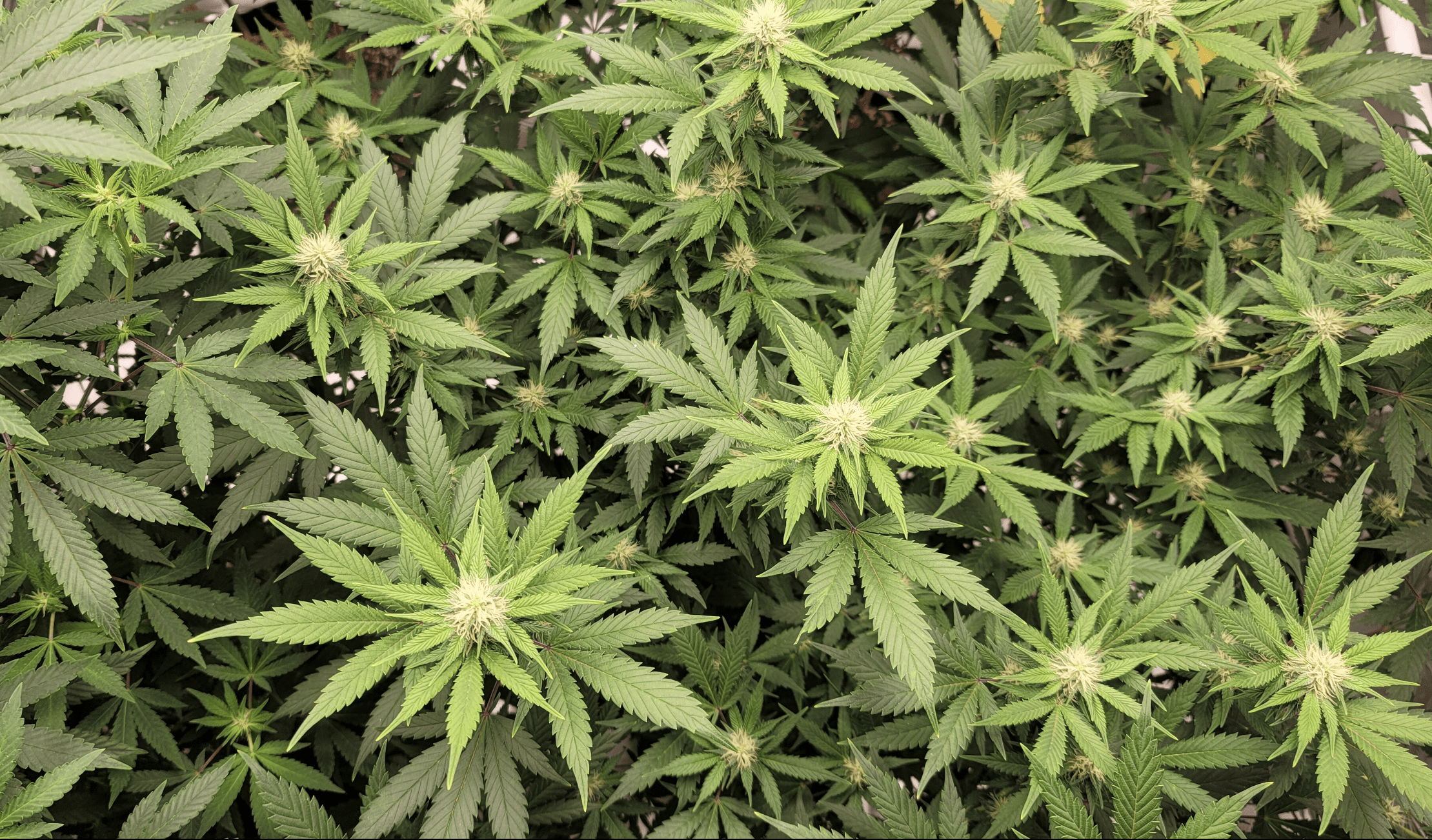
Congressional Democrats have filed a new marijuana resolution that urges officials to ensure equity in the industry and address the consequences of the war on drugs—while also pushing President Donald Trump to take the lead in advocating for global cannabis reform at the United Nations.
Reps. Troy Carter (D-LA), Ilhan Omar (D-MN), Lateefah Simon (D-CA) and Dina Titus (D-NV)—leaders in the Congressional Cannabis Caucus—introduced the latest version of the Realizing Equitable & Sustainable Participation in Emerging Cannabis Trades (RESPECT) Resolution on Thursday, along with additional cosponsors.
The measure is largely identical to a version filed last session, with certain additions.
“For decades, harsh cannabis laws devastated Black, Brown, and low-income communities. Today, those same communities are facing new barriers that prevent many of them from benefiting from the opportunities offered by a multi-billion-dollar industry,” Omar said in a press release.
“Congress has a responsibility to ensure that cannabis policy expands access to capital and invests in entrepreneurs whose communities were most harmed by outdated drug laws,” she said.
The resolution calls for “action to increase equity within cannabis policy and the legal cannabis marketplace,” promoting not only state and local decriminalization but also encouraging the adoption of specific “best practices” around regulated markets.
The measure also expresses the “sense of the House” that Trump should direct administration officials to “use the voice, vote, and influence” of the U.S. to push the United Nations (UN) and its Commission on Narcotic Drugs (CND) to “deschedule cannabis from the international drug control treaties, expunge and forgive penalties relating to cannabis for prior offenses, acknowledge and study the impacts of controlling cannabis through international treaties, and treat cannabis as a legal commodity.”
Carter said cannabis prohibition “failed our communities” and has “disproportionately harmed people of color, fueling mass incarceration, ruining families, taking away opportunities, and burdening them with criminal records.”
“It’s past time for the federal government to address the racial disparities that persist in the cannabis space and create inclusive pathways for people to access economic wealth,” he said.
Under the proposal, states and local governments are encouraged “adopt best practices and take bold steps” to enact a number of reforms around marijuana designed to address disparities in participation in legal marketplaces and to “address, reverse, and repair the most egregious effects of the War on Drugs.”
The “whereas” section of the resolution on reform trends was revised since the last version to note that Colorado and Washington State were the first to regulate cannabis more than a decade ago, and states have since “generated a combined total of nearly $25 billion in tax revenue from the legal adult use of marijuana products sales.”
It was also amended to note that Germany, among other European countries, have taken steps to end prohibition within their borders since the prior version was introduced in Congress.
“We must elevate the role of equity in the legal cannabis marketplace and take bold, deliberate action to close persistent disparities,” Simon said. “The war on drugs has devastated communities of color, and it is long past time to repair the harm and move beyond outdated, punitive cannabis policies.”
“I am proud to stand alongside my colleagues in introducing this Resolution, which will serve as a meaningful step towards economic and reparative justice,” she said.
Titus, for her part, said, ““For too long federal and state governments have unfairly prosecuted cannabis usage as a Schedule 1 drug.”
“The RESPECT Resolution is a critical step towards policy that addresses the disparities caused by the outdated scheduling of cannabis and the so-called War on Drugs,” she said. “As Co-Chair of the Cannabis Caucus, I am advancing solutions that will finally put an end to the cycle of unjust incarceration and unequal enforcement.”
Among the best practices encouraged in the legislation are fundamental reforms that currently contradict federal laws on the books, such as eliminating criminal penalties for marijuana use and possession as well as ensuring public benefits, such as housing, cannot be denied to someone due to a cannabis conviction.
It calls for the creation of automatic expungement or record-sealing processes around cannabis offenses, resentencing processes for those convicted of crimes for which penalties have been reduced or removed as well as the elimination of “suspicion-less drug testing for non safety-sensitive employment positions.”
The latest version includes additional adds, such as a call for the country to take a “proactive approach to consider and adopt laws and policies regarding interstate commerce and their potential impact on disparities in the cannabis marketplace.”
It also now promotes the adoption of policies that “promote fair labor standards and practices” in the cannabis market and creating a “robust education campaign to inform the public on relevant legal and public health information including consumer education and developing public education campaigns to prevent youth access and cannabis-impaired driving.”
The resolution is also being sponsored by Reps. Eleanor Holmes-Norton (D-DC), Hank Johnson (D-GA), Mark Pocan (D-WI) and Bonnie Watson Coleman (D-NJ). It’s being endorsed by the Drug Policy Alliance (DPA), Last Prisoner Project (LPP), the Minority Cannabis Business Association (MCBA) and NORML.
“The Drug Policy Alliance is proud to endorse the RESPECT Resolution, which calls for urgent action to ensure that cannabis markets and policies are fair for all communities,” Cat Packer, director of drug markets and legal regulation for DPA, said.
“By highlighting state and local best practices, supporting global decriminalization, and urging states to end criminal penalties, restore rights, and ensure equitable participation in the emerging cannabis economy, the resolution charts a clear path toward meaningful reform,” she said. “At a time when criminalization remains the law of the land and inequities remain deeply embedded in cannabis markets and policy, this resolution is both timely and critically necessary.”
Jason Ortiz, director of strategic initiatives with LPP, said the organization is “grateful to the sponsors of the RESPECT Resolution for their leadership in confronting the deep racial and economic inequities created by decades of cannabis criminalization.”
“This resolution recognizes that while state cannabis laws have evolved, far too many people and communities are still living with the consequences of outdated federal policies,” he said. “By calling for record clearance, community investment, and equitable licensing, this resolution is a crucial reminder that those most harmed by prohibition must be able to participate in—and benefit from—any legal cannabis market.”
Morgan Fox, political director of NORML, said that it’s “important to remind lawmakers of the ongoing harms caused by marijuana prohibition and the opportunities to begin addressing them through sensible legislation.”
“This resolution should serve as a call for Congress to prioritize dismantling failed criminalization policies, as well as a blueprint for doing so in a way that focuses on repairing the damage inflicted by decades of unjust enforcement,” he said.
The measure is being introduced on the same day that bipartisan and bicameral lawmakers filed a separate bill to allow doctors to administer Schedule I drugs such as psilocybin and MDMA to patients with life-threatening conditions.
Photo courtesy of Mike Latimer.