Science & Health
Medical Marijuana Use Is ‘Prevalent’ Among People With Disabilities—And It Helps Treat Pain, New Federally Funded Study Shows

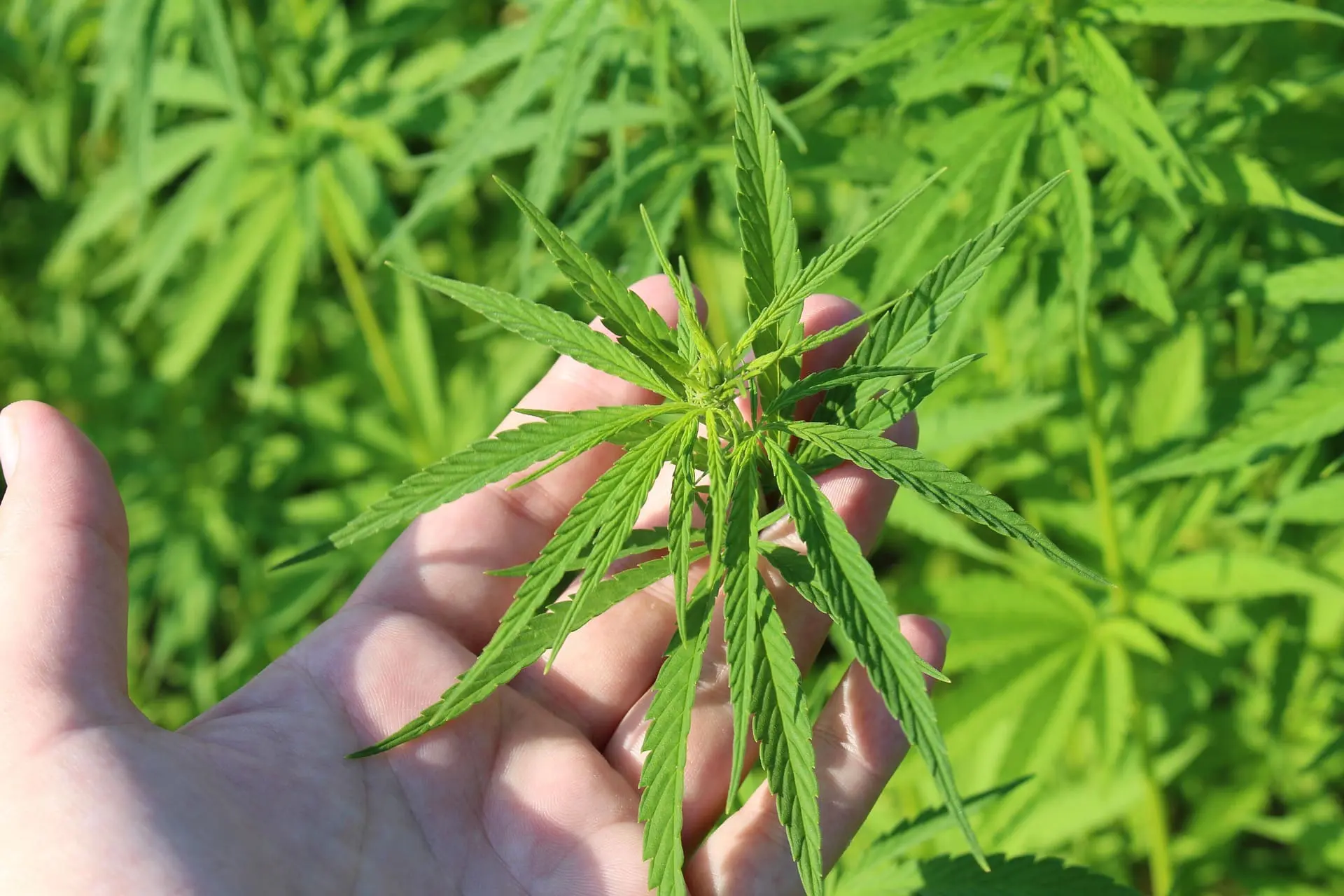
Marijuana has therapeutic benefits for adults with disabilities and is commonly utilized to manage pain and other symptoms, a new government-funded study shows.
“Cannabis use is prevalent across disability domains and the majority of respondents note they use cannabis to help with pain and to relax or relieve tension,” the researchers wrote.
More than one in five people surveyed said they currently use cannabis—and the most commonly reported reason was relief of pain, at over 70 percent. More than 60 percent said marijuana helps to relax or relieve tension.
“Specific medical reasons for using cannabis included assistance with health-related conditions such as migraines, nausea, muscle spasms, seizures, mental health concerns, and sleep disturbances,” the researchers wrote.
The data and results were derived from the National Survey on Health and Disability, an annual measure of nearly 2,000 people who self-identify as living with a disability.
The authors, affiliated with George Mason University and the University of Nevada, noted the methodology took into account participants’ self-reported limitations, including disabilities related to cognition, hearing, independent living, mobility, self-care and vision. The study was published in the November 2025 issue of the Disability and Health Journal.
The researchers issued a note of caution regarding the study’s potential limitations, emphasizing that data were self-reported.
“The cannabis use reason question does not ask specifically why respondents are currently using cannabis, and therefore respondents may have endorsed reasons for cannabis use in the past,” they wrote, adding that “the sample is not a representative sample and is majority white, female, college-educated, and affluent; therefore, the generalizability of these results to other demographics is unknown.”
The study was funded by a grant from the National Institute on Disability, Independent Living, and Rehabilitation Research, an agency within the National Institutes of Health.
“We found that approximately one fifth of adults with disabilities had reported using cannabis currently.”
Beyond cannabis’s direct effect in easing the symptoms of people with disabilities, legalization is helping in other ways. In recent years, for example, Colorado officials have prioritized funding programs for disabled communities with revenue generated by cannabis sales—most recently with an auction for marijuana-themed license plates.